
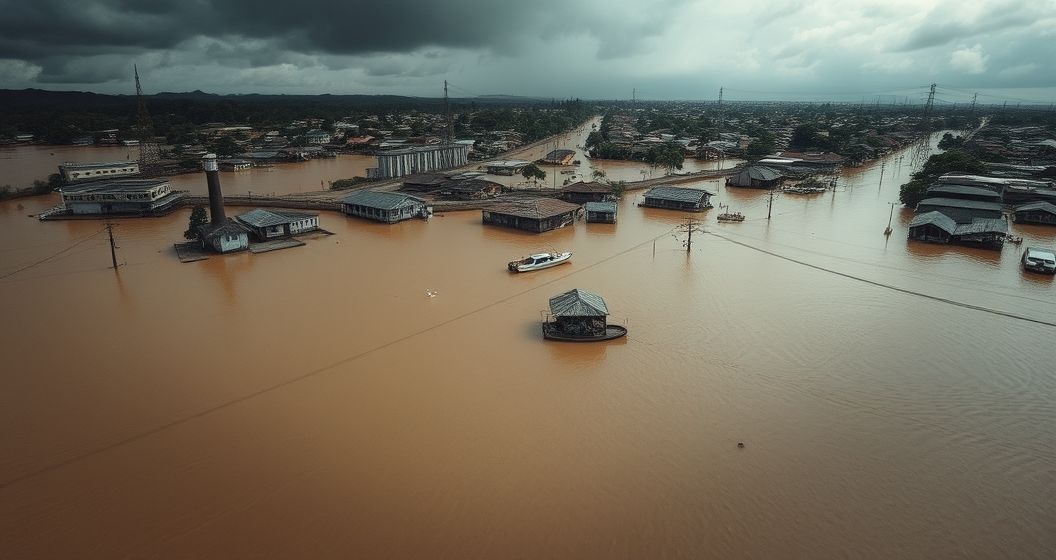
Brazil is currently navigating a period of significant turmoil as catastrophic floods devastate the southern state of Rio Grande do Sul. This environmental disaster is unfolding against a backdrop of complex economic challenges, including persistent inflation and debates over fiscal policy. The government’s response to the crisis is under intense scrutiny, highlighting the interconnected nature of the country’s environmental, economic, and political stability, posing a severe test for the nation’s leadership and resilience.
The Scale of the Environmental Catastrophe
The state of Rio Grande do Sul is grappling with the consequences of historic flooding, described by officials as the worst disaster in the region’s history. Unprecedented rainfall has caused rivers to overflow their banks, submerging entire cities, destroying critical infrastructure, and displacing hundreds of thousands of residents. The human cost is immense, with a rising number of casualties and many more people left homeless, in desperate need of shelter, food, and clean water.
Rescue operations are ongoing, with military personnel and emergency services working tirelessly to reach isolated communities. The destruction of bridges, roads, and the main international airport has severely complicated relief efforts. This event has brought the stark reality of climate change to the forefront of national discourse, raising urgent questions about Brazil’s preparedness for extreme weather events and the need for more robust environmental and urban planning policies for the future.
Economic Ripple Effects Across the Nation
The economic impact of the floods extends far beyond the state’s borders. Rio Grande do Sul is an agricultural powerhouse, responsible for a significant portion of Brazil’s rice, soy, and meat production. The devastation of farmlands and livestock is expected to disrupt supply chains and lead to food price inflation across the country. This adds another layer of pressure to an economy already struggling with a complex fiscal situation and the Central Bank’s efforts to control inflation.
Economists are now reassessing Brazil’s growth forecasts, anticipating that the costs of reconstruction and the loss of agricultural output will weigh heavily on the national GDP. The government faces a difficult balancing act: providing massive financial aid for recovery while trying to maintain its fiscal targets. This situation has intensified debates within the administration and among market analysts about the sustainability of public spending and its potential inflationary consequences.
Government Response and Political Challenges
In response to the crisis, the federal government has announced a substantial aid package and promised to expedite resources for rebuilding efforts. High-level officials, including the president, have visited the affected areas to oversee the response and demonstrate solidarity. The government has declared a state of public calamity to streamline the allocation of emergency funds, bypassing some bureaucratic hurdles to accelerate aid delivery to the victims.
However, the situation also presents a significant political challenge. The government’s handling of the crisis is being closely watched, and any perceived delays or inefficiencies could have political repercussions. The disaster requires a coordinated effort between federal, state, and municipal authorities, testing the strength of intergovernmental cooperation. The long-term recovery will require sustained investment and strategic planning, placing a heavy responsibility on the current administration to lead the nation through this difficult period.


