
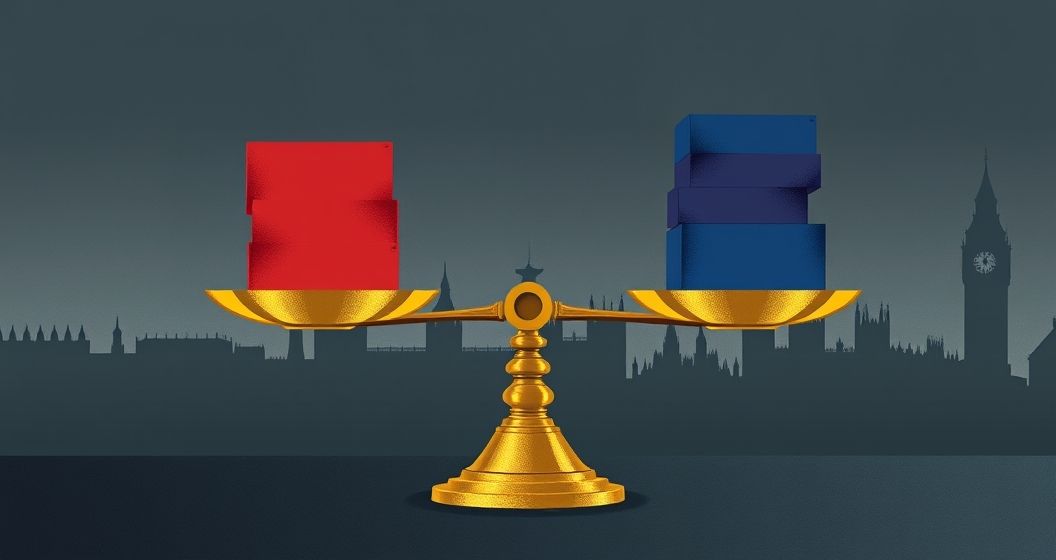
The general election campaign has intensified, with the Conservative and Labour parties engaging in a fierce debate over the future of the UK’s economy. At the heart of the conflict are competing visions for taxation and public spending. Both sides are vying to convince voters that their approach offers the most credible path to prosperity and stability, making economic policy a central battleground in the lead-up to polling day.
Conservative Pledges Focus on Tax Cuts
The Conservative Party, led by Prime Minister Rishi Sunak, has placed tax reductions at the forefront of its campaign strategy. Their proposals signal a clear intention to lower the tax burden on working families and businesses, arguing this is the most effective way to stimulate economic growth. The party has frequently highlighted its record on cutting National Insurance as evidence of its commitment to this principle, promising further cuts if re-elected.
These pledges are designed to appeal to the party’s core supporters and attract aspirational voters. Conservatives argue that leaving more money in people’s pockets encourages spending and investment, which in turn fuels the economy. However, these plans have drawn scrutiny over how they would be funded without impacting essential public services, a question Labour has repeatedly raised.
Labour’s Strategy for Public Services
In response, the Labour Party, under Keir Starmer, has positioned itself as the party of fiscal responsibility and public service restoration. Labour’s key message is that years of Conservative governance have left services like the NHS and schools underfunded and struggling. Their economic plan prioritises investment in these areas, promising to rebuild the public sector through targeted spending and strategic economic growth.
The Battle for Economic Credibility
Labour has been critical of what it calls the Conservatives’ “unfunded” tax promises, suggesting they could lead to further austerity or economic instability. Shadow Chancellor Rachel Reeves has emphasised a commitment to fiscal rules and has pledged not to increase income tax, National Insurance, or VAT for working people. Instead, Labour proposes to raise funds through specific measures, such as closing tax loopholes for non-domiciled individuals and applying VAT to private school fees.
Voter Concerns and the Undecided Swing
This economic clash comes against a backdrop of the ongoing cost of living crisis, which remains a primary concern for households across the country. Voters are carefully weighing the promises from both parties, assessing which vision is more likely to improve their personal financial situations and the country’s overall economic health. The debate is not just about numbers but about trust and credibility.
With a significant number of voters still undecided, the ability of each party to communicate its economic message clearly and persuasively could be decisive. The performance of key figures in debates and interviews is being closely watched, as the electorate seeks reassurance that the next government has a viable plan to manage the nation’s finances effectively.
As the campaign progresses, the dividing lines on tax and spend are becoming clearer. The choice for voters is stark: a Conservative vision of a lower-tax economy aimed at spurring growth, versus a Labour focus on strengthening public services through targeted investment and fiscal prudence. The outcome will ultimately depend on which argument resonates most powerfully with the British public.


