
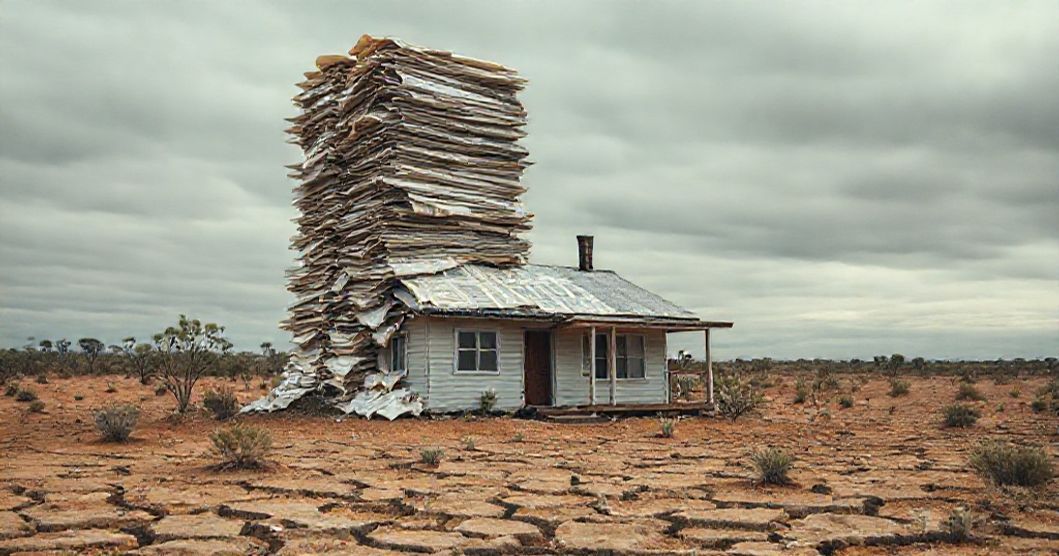
Australia is currently navigating a complex landscape of interconnected challenges, from persistent cost-of-living pressures squeezing household budgets to a deepening housing crisis and ambitious climate targets shaping the nation’s future. Recent updates highlight the urgency of these issues, demanding attention from policymakers and resilience from everyday Australians. Understanding these key areas is crucial for grasping the current pulse of the country.
The Squeeze on Wallets: Navigating Economic Headwinds
The **cost of living** remains a dominant concern for many Australian families. Despite recent data suggesting a moderation in inflation, the cumulative effect of rising prices for essentials like groceries, fuel, and utilities continues to strain household budgets. The Reserve Bank of Australia (RBA) is closely monitoring these trends, with market speculation constantly swirling around future interest rate decisions. While some economists predict a potential pause, others warn that persistent inflation could necessitate further tightening, impacting mortgage holders and businesses alike.
- Grocery prices show little sign of significant reversal, forcing many to adapt shopping habits.
- Fuel costs fluctuate, adding unpredictability to daily expenses.
- Energy bills remain a point of contention, despite government rebates in some states.
Consumer confidence, while showing slight improvements, remains fragile as Australians grapple with balancing expenditure and savings in an uncertain economic climate. The federal budget’s impact on these pressures is under scrutiny, with measures aimed at providing targeted relief often debated for their broader economic effects.
Housing Headache: The Unrelenting Rental Crisis
Beyond daily expenses, Australia’s **housing crisis** continues to escalate, particularly in the rental market. Major capital cities are experiencing record-low vacancy rates and unprecedented rent increases, making it incredibly challenging for individuals and families to secure affordable accommodation. This isn’t just a metropolitan issue; regional areas are also feeling the pinch as demand outstrips supply.
Key Factors Driving the Crisis:
- Supply Shortages: A lack of new housing construction, coupled with dwindling investment properties, exacerbates the problem.
- Population Growth: Strong migration numbers increase demand for available housing.
- Investor Retreat: Some investors are exiting the market due to rising interest rates and regulatory changes.
Governments at both federal and state levels are exploring various interventions, from fast-tracking development approvals to offering rental assistance schemes. However, critics argue that these measures are often insufficient to address the systemic issues underpinning the crisis, which risks long-term social and economic consequences, including increased homelessness and reduced workforce mobility.
Australia’s Green Leap: Energy Transition and Climate Policy
Finally, Australia’s commitment to a **renewable energy future** and climate targets is at the forefront of policy discussions. The nation is rich in renewable resources, and significant investments are being made in solar, wind, and battery storage projects. This transition, while essential for environmental sustainability, presents both opportunities and challenges.
The shift away from fossil fuels is impacting traditional industries and communities, necessitating careful planning for economic diversification and job creation. Debates around the pace and cost of this transition are ongoing, with a focus on ensuring energy security and affordability for consumers while meeting ambitious emission reduction targets. Extreme weather events, such as bushfires and floods, serve as stark reminders of the urgency of climate action, reinforcing the need for resilient infrastructure and adaptation strategies.
As Australia moves forward, the interplay between these economic, social, and environmental factors will define its trajectory. Staying informed and adaptable will be key for navigating these dynamic times.


