
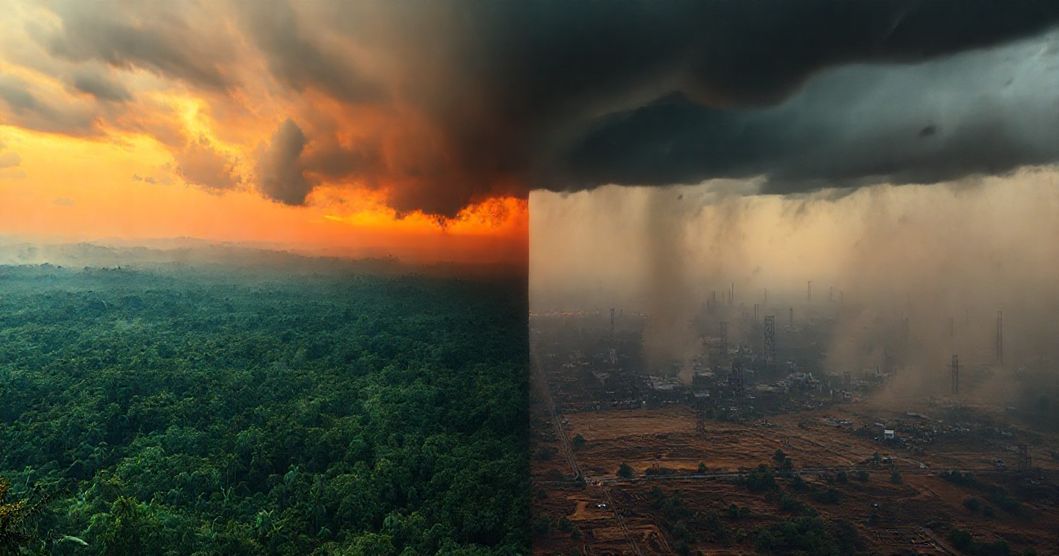
Brazil is a dynamic nation, perpetually at the nexus of economic ambition, environmental stewardship, and complex socio-political shifts. As the calendar pages turn, the country finds itself grappling with a series of pivotal developments, from intricate economic policy debates that ripple through global markets to the ongoing, critical fight for its invaluable natural heritage. Staying abreast of these shifts offers not just insight into a regional powerhouse, but a clearer understanding of global trends in sustainability, governance, and emerging economies.
Economic Juggernaut Faces Inflation Headwinds
The Brazilian economy remains a central focus, both domestically and internationally. Recent headlines highlight the persistent battle against inflation, a challenge that has seen the Central Bank maintain a hawkish stance on interest rates. Analysts are closely watching the Selic rate, with discussions around potential cuts being a delicate balancing act between stimulating growth and taming price increases. This high-interest rate environment impacts everything from consumer spending to business investment, shaping the immediate future for millions of Brazilians. Furthermore, the government’s fiscal targets and the ongoing debates surrounding tax reforms continue to dominate economic discourse, as policymakers seek to stabilize public finances while fostering a more competitive business environment. The performance of key sectors like agriculture and commodities, which are vital to Brazil’s export revenues, also remains a critical indicator of the nation’s economic health.
Amazon’s Future: Conservation vs. Development
The Amazon rainforest, a global treasure, is consistently a focal point in Brazil’s news cycle. Recent reports indicate renewed efforts and significant challenges in combating deforestation. While official data might show fluctuations, the underlying tension between conservation imperatives and the pressures of agricultural expansion, illegal mining, and logging persists. Environmental agencies are intensifying surveillance and enforcement operations, often facing considerable obstacles. The international community continues to watch Brazil’s actions closely, understanding that the fate of the Amazon has profound implications for global climate stability. Discussions around sustainable development models that can reconcile economic needs with ecological preservation are more urgent than ever, involving indigenous communities, scientists, and political leaders in a complex, high-stakes dialogue.
Political Landscape: Navigating Reforms and Alliances
Brazil’s political arena is rarely quiet. The current administration is navigating a complex legislative agenda, seeking to push through various reforms aimed at improving governance and public services. Recent news has focused on the intricate dance of forming and maintaining political alliances within Congress, a critical component for passing any significant legislation. Key policy debates include proposed changes to administrative structures, efforts to bolster public security, and discussions around social welfare programs. The Supreme Court also frequently plays a pivotal role, with its decisions often shaping the boundaries of executive and legislative power. These political developments not only influence domestic policies but also frame Brazil’s approach to international relations and its standing on the global stage, affecting trade agreements and diplomatic engagements.
Social Challenges and Public Health Initiatives
Beyond economics and politics, Brazil is actively addressing significant social challenges. Public safety remains a perennial concern, with various states implementing new strategies to combat crime and improve urban security. In the realm of public health, the nation is often at the forefront of tackling widespread issues. For instance, recent outbreaks of diseases like dengue fever prompt extensive public health campaigns and a push for innovative prevention methods. The healthcare system’s capacity, accessibility, and funding are subjects of continuous debate and reform efforts. Education, too, is a critical area, with initiatives aimed at improving learning outcomes and expanding access to quality schooling across the vast and diverse country. These social aspects underscore the daily realities and aspirations of the Brazilian populace.


