
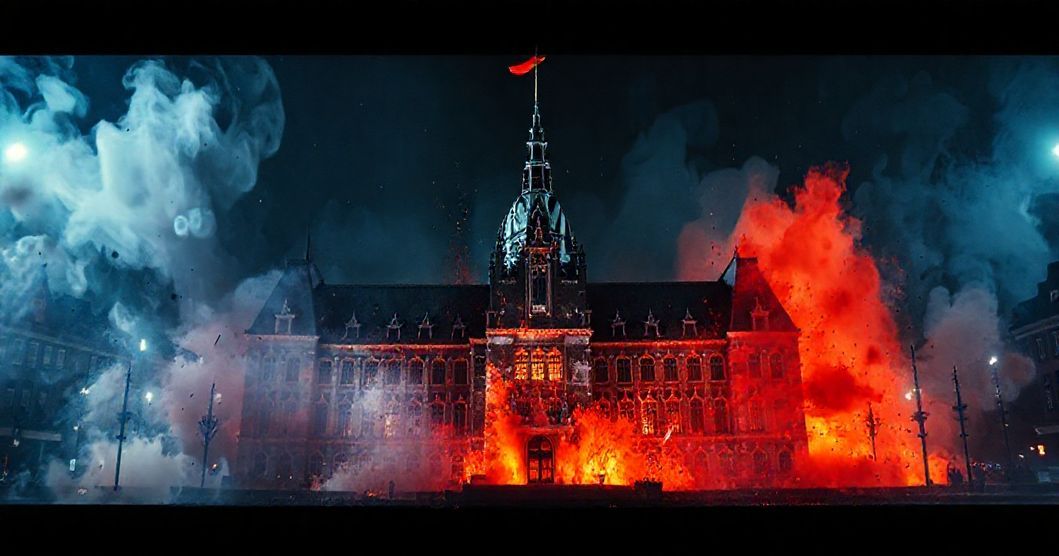
The Netherlands finds itself at a pivotal crossroads, grappling with a dynamic political landscape, persistent economic pressures, and critical social debates. Recent events have dramatically reshaped the national agenda, pushing issues of governance, cost of living, and environmental policy to the forefront of public discourse.
Political Turmoil and the Race to the Elections
The political scene in the Netherlands has been nothing short of tumultuous, following the recent collapse of the ruling coalition. This significant event has triggered an intense period of campaigning as various parties vie for public support ahead of upcoming general elections. Mark Rutte’s departure, after serving an unprecedented tenure, marks the end of an era and opens the door for new leadership and fresh policy directions. Parties are now scrambling to differentiate themselves, with debates focusing heavily on topics such as migration, healthcare reform, and economic stability. Observers note a growing fragmentation within the political spectrum, potentially leading to complex coalition formations in the future. The Dutch electorate is keenly watching, anticipating how these shifts will impact their daily lives and the nation’s international standing.
Economic Headwinds: Inflation and Purchasing Power
Beyond the political arena, the Dutch economy continues to navigate a challenging global environment. High inflation remains a significant concern, eroding the purchasing power of households across the country. While energy prices have seen some fluctuations, the broader cost of living, including food and housing, continues to exert pressure on family budgets. The government has introduced various measures to alleviate these burdens, but their long-term effectiveness is a subject of ongoing debate. Experts highlight the need for sustainable economic policies that can foster growth while protecting vulnerable populations from the brunt of rising costs. The housing market, in particular, remains a hot-button issue, with calls for increased supply and more affordable options dominating discussions.
The Nitrogen Crisis and Environmental Imperatives
Environmental policy, specifically the long-standing nitrogen crisis, continues to be a defining challenge for the Netherlands. The issue, which pits agricultural interests against stringent environmental regulations, has fueled widespread protests and remains a central point of contention in political debates. The new government, once formed, will face immense pressure to devise a viable and equitable solution that satisfies both farmers and environmental advocates. This complex dilemma underscores broader global themes of sustainability and the delicate balance between economic activity and ecological preservation. Furthermore, discussions around renewable energy transition and climate change adaptation are gaining renewed urgency, reflecting the nation’s commitment to its climate goals despite internal challenges.
Societal Shifts and Future Outlook
These overarching themes – political instability, economic resilience, and environmental stewardship – are deeply intertwined with broader societal shifts. Issues such as social inequality, the integration of new arrivals, and the future of the healthcare system are also prominent in national conversations. As the Netherlands prepares for a new political chapter, the choices made in the coming months will undoubtedly shape its trajectory for years to come. The emphasis will be on crafting policies that promote both national prosperity and social cohesion in an increasingly complex world.