
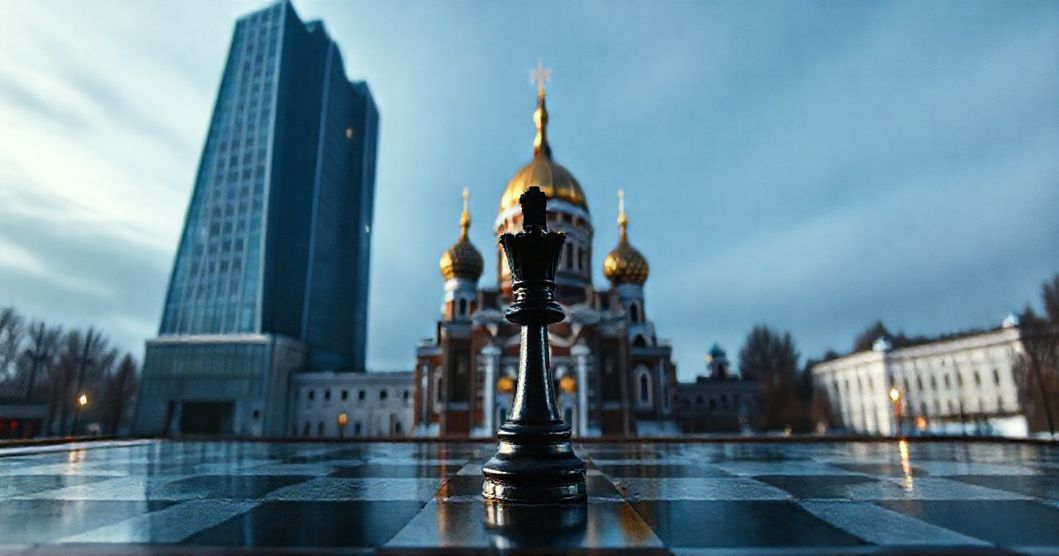
The geopolitical landscape surrounding Russia continues to evolve at a breathtaking pace, with recent days bringing a flurry of activity across military, economic, and diplomatic fronts. From the ongoing complexities in Eastern Europe to pivotal domestic policy shifts and strategic international engagements, Moscow remains a central actor on the global stage. Understanding these latest developments is crucial for grasping the trajectory of international relations and regional stability.
Frontline Dynamics and Diplomatic Maneuvers
Recent reports from various sources highlight continued, albeit shifting, dynamics in the ongoing conflict in Ukraine. While detailed military movements remain fluid, there’s a notable focus on a particular strategic region where both sides are reportedly consolidating positions and preparing for potential new phases of engagement. Kremlin officials have reiterated their stance on the necessity of achieving stated objectives, while also hinting at a readiness for dialogue under specific conditions. This dual approach—maintaining military pressure while keeping diplomatic channels nominally open—underscores the complex nature of the conflict. International observers are keenly watching for any signals that could indicate a shift towards de-escalation or, conversely, an intensification of hostilities. Meanwhile, discussions within the UN and various regional bodies continue, with Russia often at the center of heated debates regarding humanitarian aid, prisoner exchanges, and the future of regional security architectures.
Economic Resilience Amidst Sanctions
Domestically, Russia’s economy continues to navigate the pressures of extensive international sanctions. Latest economic indicators suggest a mixed picture. While some sectors have shown remarkable adaptability, leveraging import substitution and diversifying trade partners, others, particularly those reliant on advanced Western technology, face persistent challenges. The Russian Central Bank recently announced new measures aimed at stabilizing the national currency and curbing inflation, which has been a significant concern for ordinary citizens. There’s also a strong emphasis on strengthening economic ties with countries in Asia, Africa, and Latin America, as Moscow seeks to build a more resilient and multi-polar economic framework. Analysts are divided on the long-term sustainability of these strategies, but for now, the government appears committed to its course of economic self-reliance and reorientation.
Global Engagements and Strategic Partnerships
On the international stage, Russia has intensified its diplomatic outreach, particularly with non-Western nations. Recent high-level meetings with leaders from key Asian and Middle Eastern countries underscore a strategic pivot towards strengthening existing alliances and forging new ones. These engagements often focus on areas such as energy cooperation, infrastructure development, and defense collaboration. Moscow is actively participating in multilateral forums like the BRICS group and the Shanghai Cooperation Organization (SCO), using these platforms to advocate for a multi-polar world order and challenge what it perceives as Western hegemony. These efforts are not merely reactive but represent a proactive strategy to reshape global power dynamics. The implications of these shifting alliances are profound, potentially leading to new trade routes, security pacts, and a rebalancing of influence on a global scale. The coming months are expected to reveal further details on the efficacy and long-term impact of these ambitious diplomatic initiatives.


