
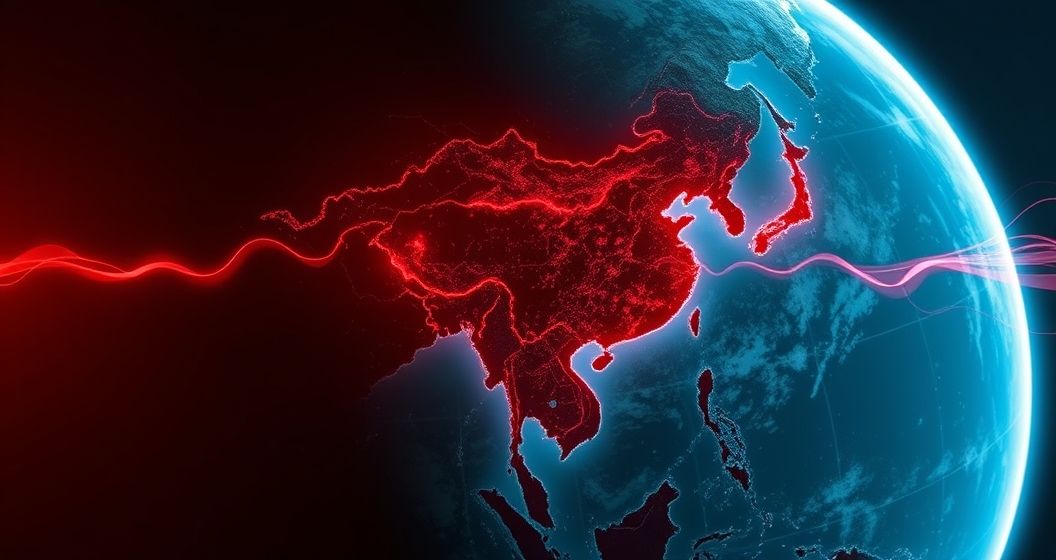
In a diplomatic maneuver sending ripples across the globe, Russian President Vladimir Putin recently concluded a high-stakes tour of North Korea and Vietnam. This strategic move underscores Russia’s accelerating pivot towards non-Western alliances and its commitment to forging a “multipolar world order” in the face of escalating Western pressure. The visits, packed with significant declarations and agreements, have sparked intense debate about the future of international relations and security dynamics.
Putin’s Power Play in Pyongyang: A New Era of Alliance?
The visit to North Korea marked the first time a Russian leader has set foot in Pyongyang in 24 years, signaling a profound deepening of ties. During the summit with Kim Jong Un, a “Comprehensive Strategic Partnership Treaty” was signed, which includes a crucial clause on mutual assistance in the event of aggression. This provision immediately drew comparisons to a military alliance, raising concerns in Seoul, Washington, and Tokyo. Experts believe this pact formalizes and expands existing cooperation, particularly in military-technical spheres, potentially involving arms transfers and technological exchange that could bolster both nations’ defense capabilities. Putin emphasized the need for both countries to counter “hegemonistic policies” and unilateral sanctions, framing the alliance as a defensive measure against external threats. The optics alone were powerful, projecting a united front against perceived Western dominance.
Balancing Act in Hanoi: Russia’s Enduring Influence in Southeast Asia
Following the groundbreaking visit to North Korea, President Putin traveled to Vietnam, a country that maintains a delicate balance between its historical ties with Russia and its growing economic engagement with the West. The Hanoi visit, while less provocative than the Pyongyang trip, was equally significant. Russia and Vietnam reaffirmed their commitment to strengthening economic and strategic cooperation, particularly in energy, defense, and trade. Discussions highlighted Russia’s role as a long-standing arms supplier to Vietnam and a key partner in its energy sector. Putin stressed the importance of a “reliable partnership” and the mutual desire for a “just and democratic polycentric world order.” This visit served to solidify Russia’s presence in a strategically vital region, demonstrating its capacity to maintain influence even amidst the ongoing conflict in Ukraine and Western sanctions.
Russia’s Grand Strategy: Beyond the Asia Tour
These visits are not isolated events but rather key components of Russia’s broader geopolitical strategy. Moscow is actively seeking to circumvent Western economic and political isolation by strengthening relationships with countries in the Global South and East. This includes a persistent push for the expansion of the BRICS bloc and enhanced cooperation within organizations like the Shanghai Cooperation Organization (SCO).
- Economic Resilience: Domestically, Russia continues to navigate the complex landscape of Western sanctions, focusing on import substitution and fostering new trade routes. The Central Bank of Russia regularly adjusts monetary policy to stabilize the ruble and combat inflation, demonstrating a proactive approach to economic challenges.
- Defense Posture: Simultaneously, Russia is intensifying its defense production and modernizing its armed forces, continually adapting its military strategies in response to the ongoing conflict and evolving global security landscape.
- Multipolarity Push: Through diplomatic engagements like the Asia tour, Russia aims to challenge the unipolar world order, advocating for a system where multiple centers of power contribute to global governance. This narrative resonates with many nations seeking alternatives to Western-led international institutions.
The recent diplomatic offensive underscores a clear message: Russia is actively reshaping its international partnerships, solidifying its position in a changing world order, and signaling its determination to pursue its geopolitical objectives regardless of Western objections. The implications for global security and economic alignments are profound and continue to unfold.

