
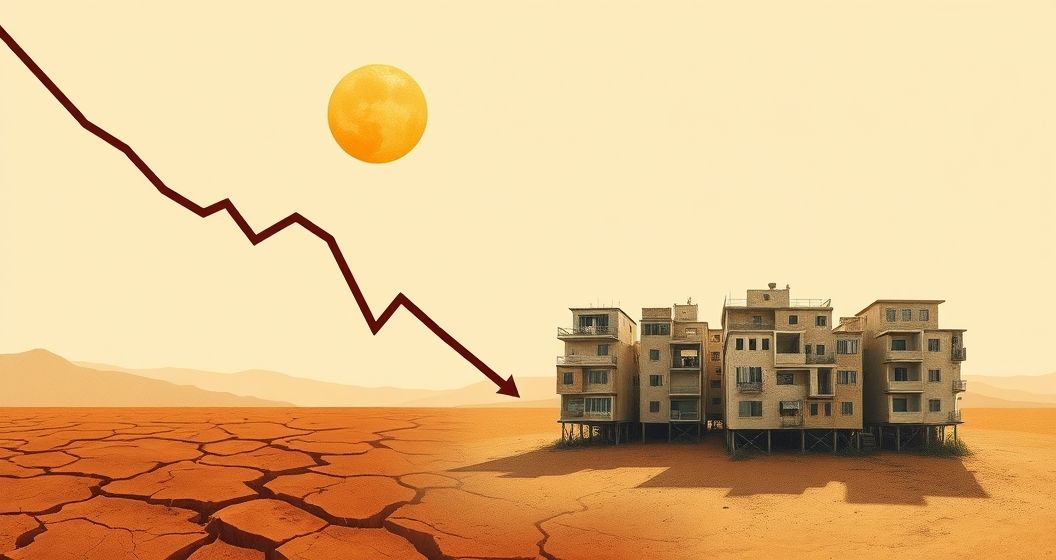
Spain is currently navigating a complex landscape of intertwined challenges, as recent headlines from across the nation reveal a confluence of economic pressures, escalating climate concerns, and a persistent housing crisis. From the halls of government to parched agricultural lands and bustling urban centers, the nation grapples with issues that demand immediate attention and long-term strategic planning. These aren’t isolated incidents but rather critical pillars shaping the daily lives of Spanish citizens and influencing the country’s trajectory on the global stage.
The Budgetary Tightrope Walk: Austerity Meets Ambition
In the political arena, Spain’s government is once again at the forefront of heated debates surrounding its fiscal policy and the upcoming national budget. Recent reports highlight intense discussions over spending caps and investment priorities, as the coalition government attempts to balance social spending with economic stability. With inflation continuing to be a significant factor, albeit showing signs of moderation, the focus remains on measures to alleviate the cost of living for households while maintaining robust public services. The latest economic forecasts, often scrutinized by both domestic and international bodies, suggest a cautious optimism tempered by global uncertainties. Political commentators are closely watching how these budget negotiations will impact the government’s stability and its capacity to deliver on its electoral promises amidst a fragmented parliament. Key sectors like healthcare, education, and infrastructure are vying for increased allocations, setting the stage for crucial decisions that will define Spain’s economic direction in the coming year.
Spain’s Enduring Water Crisis: A Battle Against Drought
Beyond the economic headlines, an environmental crisis continues to grip large swathes of Spain: the relentless drought. Regions such as Catalonia and Andalusia are particularly hard-hit, experiencing record low reservoir levels that threaten both agricultural output and urban water supplies. Local authorities have been forced to implement increasingly stringent water restrictions, impacting everything from domestic use to industrial operations. Farmers, already contending with rising energy costs, face devastating crop losses and uncertain futures. “The situation is critical; our livelihoods are at stake,” lamented one farmer from the Ebro Delta, a sentiment echoed across the country. Experts point to climate change as the primary driver, urging for more sustainable water management policies, including improved infrastructure for water recycling and desalination plants. The government’s response, though multifaceted, is under constant pressure to deliver tangible relief and long-term solutions to ensure water security for all.
Housing Headaches and Social Strain in Urban Centers
Adding to the nation’s woes is a pervasive housing crisis, especially acute in major metropolitan areas like Madrid and Barcelona. Skyrocketing rental prices and a scarcity of affordable housing have become a daily struggle for many, particularly younger generations and low-income families. Reports indicate that average rents have reached unprecedented levels, forcing many to spend an unsustainable portion of their income on accommodation. The government has introduced measures aimed at regulating rental markets and increasing housing supply, but their effectiveness remains a subject of intense debate. Activists and social movements continue to demand more robust interventions, highlighting the social strain caused by housing unaffordability. This issue isn’t just about economics; it’s about the fundamental right to decent housing and the future viability of Spain’s vibrant urban communities. The struggle for an affordable home remains a powerful symbol of the broader social challenges facing the country.