
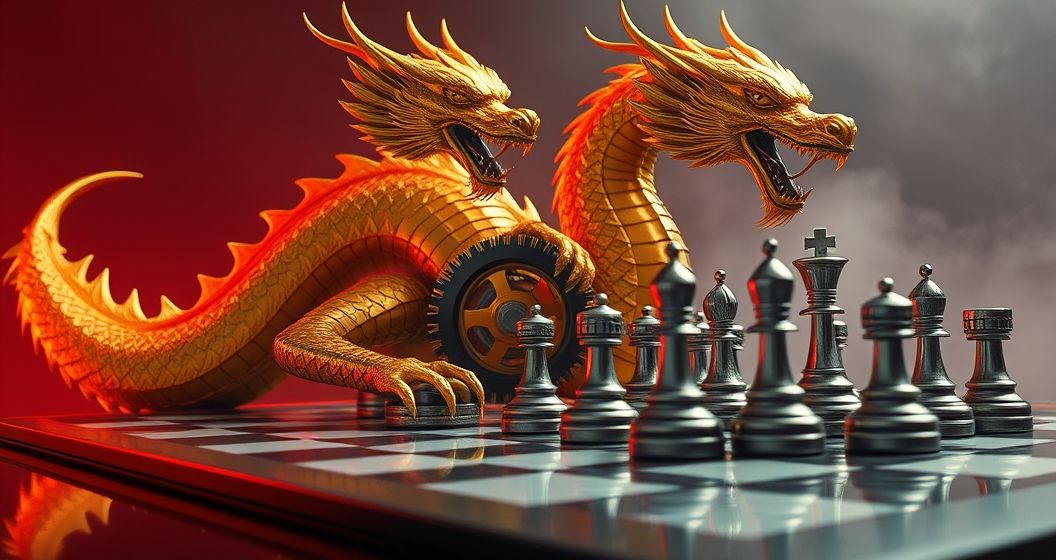
China is currently navigating a complex period marked by significant economic recalibrations and intensified geopolitical dynamics, capturing the world’s attention. Recent reports highlight a nuanced picture, where robust industrial activity coexists with lingering domestic challenges, all set against a backdrop of evolving international relationships.
China’s Economic Balancing Act: Growth Amid Headwinds
The world’s second-largest economy continues its intricate dance between stimulating domestic demand and managing structural issues. While official data often paints a picture of **resilient industrial output** and steady export performance, underlying concerns persist, particularly within the property sector and consumer confidence. The government has rolled out various measures to invigorate the market, from easing mortgage restrictions to boosting infrastructure spending. However, the path to a fully robust recovery remains uneven. Analysts are closely watching consumer spending trends, which are *crucial for a sustained rebound*. Beijing’s strategic shift towards high-quality development, emphasizing technological innovation and green initiatives, suggests a long-term vision beyond short-term stimulus.
The Tech Frontier: A Race for Dominance
The global tech rivalry, particularly between China and the United States, continues to escalate. China is aggressively pushing for **self-sufficiency in critical technologies**, most notably semiconductors and artificial intelligence. Recent breakthroughs in domestic chip manufacturing have been lauded as *significant steps* in reducing reliance on foreign suppliers, despite facing stringent export controls from Western nations. The focus extends to AI, where massive investments are channeling into research and development, aiming to position China at the forefront of this transformative field. This technological arms race has profound implications for global supply chains and future innovation.
Geopolitical Crossroads: Navigating a Shifting World Order
On the international stage, China is actively reshaping its diplomatic presence while managing various geopolitical flashpoints. Relations with the United States remain a central, often contentious, issue, characterized by both **strategic competition** and efforts to maintain open lines of communication. The Taiwan Strait continues to be a *focal point of regional tension*, with both military exercises and diplomatic statements drawing international scrutiny. Beyond bilateral ties, China’s engagement in multilateral forums, including the expansion of the BRICS group and the continued rollout of the Belt and Road Initiative, underscores its ambition to foster a multipolar world order. These initiatives aim to strengthen economic partnerships and enhance China’s global influence, often presenting alternative development models to traditional Western-led frameworks.
In essence, China’s current trajectory is a blend of internal adjustments and external assertiveness. The coming months will be **critical** in determining whether its economic strategies yield sustained recovery and how its evolving geopolitical role will redefine global power dynamics. The world watches with bated breath as Beijing makes its next strategic moves.

