
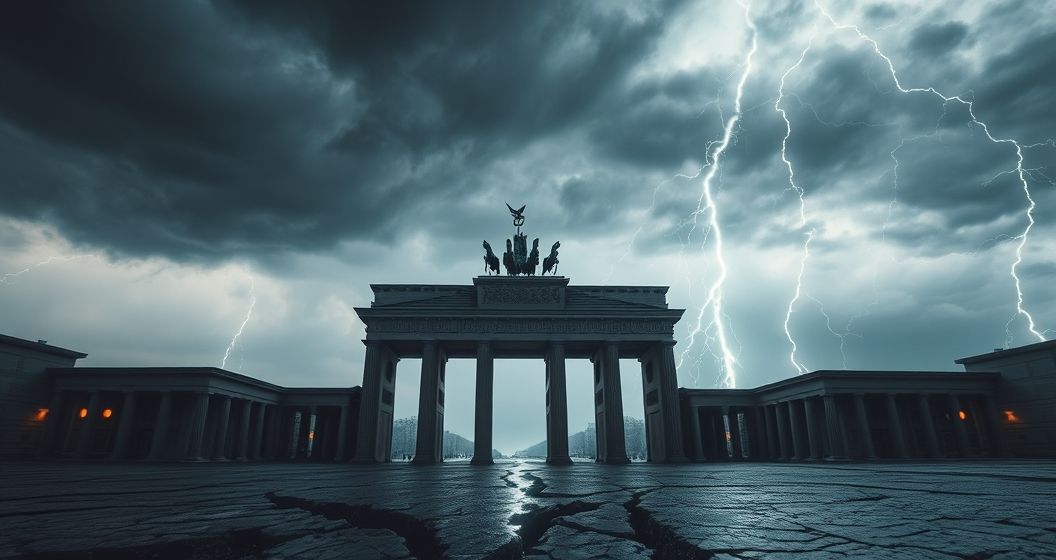
Germany finds itself at a pivotal juncture, navigating a complex web of economic pressures, political infighting, and the ongoing pursuit of ambitious climate goals. Recent headlines from across the German media landscape paint a picture of a nation grappling with significant challenges, yet simultaneously demonstrating resilience and a commitment to its future direction.
The Brewing Storm in Germany’s Coalition Government
The spotlight is firmly on Berlin, where the traffic light coalition—comprising the Social Democrats (SPD), the Greens, and the Free Democrats (FDP)—is facing renewed tensions. A major point of contention centers around the upcoming federal budget. Reports indicate deep divisions over spending priorities and potential cuts, particularly between the FDP’s calls for fiscal discipline and the Greens’ desire for increased investment in social and climate initiatives. This internal friction is not just a political spectacle; it has direct implications for key policy decisions ranging from infrastructure development to social welfare programs. Observers are closely watching if the government can present a united front and deliver on its legislative agenda amidst these ongoing disagreements.
Economic Headwinds: Inflation and Stagnation Fears Persist
Economists and ordinary citizens alike are keeping a keen eye on Germany’s economic indicators. Despite earlier hopes for a swift recovery, inflation remains stubbornly high, eroding purchasing power and putting pressure on households. The latest figures show consumer prices continuing to bite, particularly in the energy and food sectors. Moreover, concerns about economic stagnation are growing, with some forecasts suggesting a sluggish growth outlook for the remainder of the year. German industries, historically a powerhouse of the European economy, are grappling with high energy costs and global supply chain disruptions. This environment demands robust policy responses to safeguard employment and maintain economic stability.
Key Economic Challenges:
- Persistent Inflation: High consumer prices impacting daily life.
- Industrial Output: Challenges due to energy costs and global competition.
- Skilled Labor Shortage: A long-term issue affecting various sectors.
- Energy Transition Costs: Balancing climate goals with economic feasibility.
The Green Revolution: Germany’s Heating Law Debate
Another significant and often contentious topic is Germany’s ambitious Heating Law (Heizungsgesetz), aimed at transitioning away from fossil fuel heating systems towards more sustainable alternatives like heat pumps. While the underlying goal of reducing carbon emissions is widely supported, the implementation details have sparked heated debates. Concerns range from the financial burden on homeowners to the availability of skilled labor for installations and the overall feasibility of the timeline. The government is working to address these criticisms, emphasizing subsidies and support mechanisms to ease the transition. This policy is a litmus test for how Germany balances its pioneering climate protection efforts with social acceptance and economic realities.
From the intricate dance of coalition politics to the everyday struggle against inflation and the groundbreaking push for a greener future, Germany’s current events are a vibrant tapestry of challenges and opportunities. The coming months will be crucial in determining how the nation navigates these complex issues and continues to shape its path on both the domestic and international stages.


