
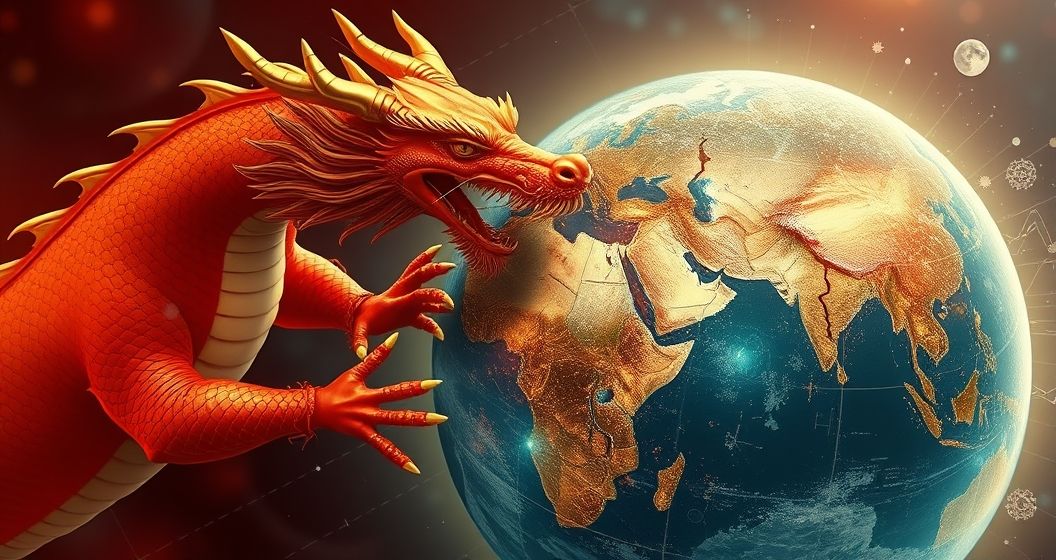
In a period marked by profound global shifts, China finds itself navigating a complex landscape of domestic economic challenges and escalating international tensions. Recent reports from Beijing and major international outlets highlight critical developments that are shaping not only the nation’s future but also global geopolitics and economic trajectories. From crucial economic policy interventions to high-stakes diplomatic maneuvers, the world watches as China charts its course.
Beijing’s Big Bet: Tackling the Economic Headwinds
China’s economy is currently at a pivotal juncture, grappling with persistent challenges in its vast property sector and a cautious consumer sentiment. The government has recently unveiled a series of robust measures aimed at stabilizing the housing market and invigorating domestic demand. These initiatives include significant financial support packages for struggling developers and policies designed to ease home purchase restrictions for buyers.
- Property Sector Rescue: Authorities are reportedly pushing for a faster absorption of unsold housing stock and providing liquidity support to prevent further defaults among real estate giants.
- Consumer Confidence Boost: Efforts are underway to stimulate household spending through various subsidies and promotional campaigns, aiming to shift economic reliance more towards internal consumption rather than export-driven growth.
- Industrial Output Focus: Despite overall economic pressures, China’s industrial output has shown resilience in certain advanced manufacturing sectors, underscoring Beijing’s strategic pivot towards high-tech and “new productive forces.”
Analysts are closely monitoring whether these interventions will be sufficient to restore confidence and inject momentum into the world’s second-largest economy, which is crucial for global economic stability.
The Tech-Trade Showdown: EVs, Tariffs, and Global Supply Chains
The rivalry between the United States and China continues to intensify, particularly in the critical sectors of technology and trade. Recent announcements of new tariffs and retaliatory measures underscore a deepening economic decoupling trend that has significant global ramifications.
Electric Vehicles (EVs) at the Forefront
A major flashpoint has been the electric vehicle industry. The U.S. has imposed steep tariffs on Chinese-made EVs, citing concerns over unfair subsidies and national security risks. This move has been met with strong condemnation from Beijing, which views it as protectionist and a barrier to free trade. Europe is also deliberating similar actions, placing Chinese EV manufacturers in a precarious position as they seek to expand their international footprint.
- Semiconductor Scramble: The battle for technological supremacy extends to semiconductors, with both nations striving for self-sufficiency and control over critical supply chains. Export controls and investment restrictions remain key tools in this strategic competition.
- Rare Earth Elements: China’s dominant position in rare earth minerals, vital for high-tech manufacturing, provides it with significant leverage in these ongoing trade disputes.
These trade tensions are reshaping global supply chains, forcing multinational corporations to reassess their manufacturing and sourcing strategies, leading to a more fragmented and regionalized global economy.
South China Sea: A Geopolitical Chessboard
Tensions in the South China Sea remain a constant source of geopolitical concern, with recent incidents escalating rhetoric and demonstrating the fragile nature of peace in the region. Disputes over territorial claims, fishing rights, and resource exploration continue to pit China against several Southeast Asian nations, most notably the Philippines.
Recent Maritime Incidents
Frequent encounters between Chinese and Philippine vessels have drawn international attention, with both sides accusing each other of provocative actions. These incidents, often involving water cannons and near-collisions, highlight the potential for miscalculation and accidental escalation in one of the world’s busiest waterways.
International Response: Key allies, including the United States, have reaffirmed their commitment to supporting freedom of navigation and upholding international law in the region, further complicating the dynamics and raising the stakes for all parties involved. The situation underscores the need for diplomatic solutions and adherence to international maritime conventions to prevent a broader regional conflict.
As China navigates these multifaceted challenges, its actions will undoubtedly have far-reaching implications, influencing global economic stability, technological advancement, and the delicate balance of international power.

