
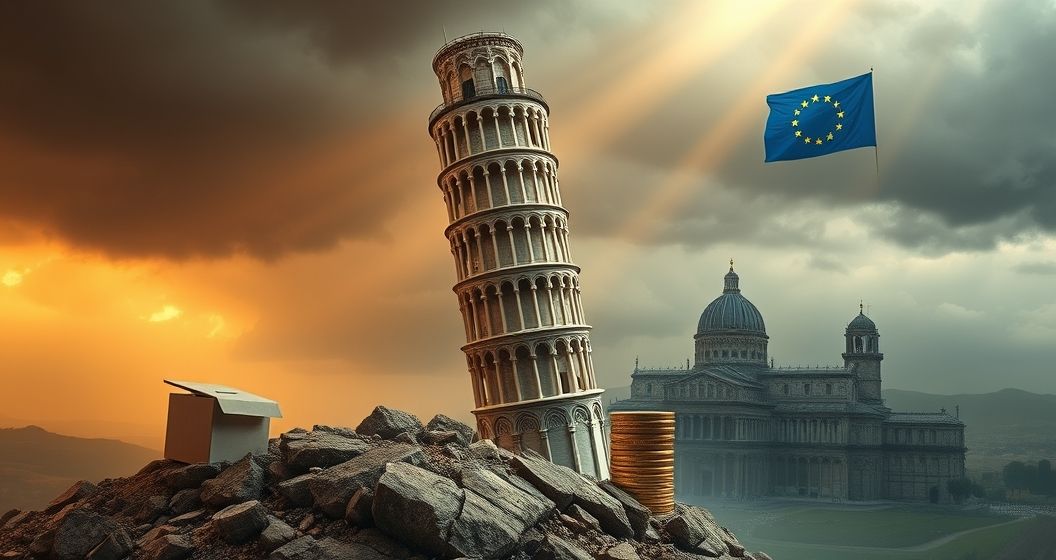
Italy finds itself at a pivotal juncture, navigating a complex web of political, economic, and social challenges that are shaping its future both domestically and within the broader European context. From the intense campaigning for the upcoming European elections to persistent economic headwinds and crucial policy debates, the nation is buzzing with activity and anticipation. Understanding these critical developments is key to grasping Italy’s evolving role on the global stage.
European Elections: A Battle for Italy’s Soul and Europe’s Direction
The political fervor is palpable across Italy as parties gear up for the highly anticipated European Parliament elections. These elections are not merely about selecting representatives; they are a crucial barometer of the current government’s popularity and a referendum on Italy’s vision for the European Union. Prime Minister Giorgia Meloni’s Fratelli d’Italia party, a significant force in the European conservative movement, is at the forefront, aiming to consolidate its influence and push for a more “sovereignist” Europe. Opposition parties, meanwhile, are striving to present a unified front, advocating for a more integrated and progressive European future. The stakes are incredibly high, as the outcome will significantly impact not only Italy’s domestic policy but also its ability to shape EU-wide decisions on everything from economic governance to migration and environmental policies.
Navigating Economic Turbulence: Inflation and Cost of Living
Economically, Italy continues to grapple with the ripple effects of global instability. While inflation has shown signs of moderation, the cost of living remains a pressing concern for millions of households. Energy prices, though off their peaks, still pose a challenge for industries and consumers alike. The Italian government is actively implementing measures aimed at bolstering economic growth, reducing public debt, and supporting families and businesses. Discussions around the national budget and adherence to European fiscal rules are ongoing, balancing the need for economic stimulus with long-term financial stability. These economic maneuvers are critical for Italy’s recovery and its resilience against future shocks.
Migration: A Persistent Challenge and Policy Debate
Migration remains a deeply divisive and complex issue for Italy, situated as it is on the front lines of migratory routes across the Mediterranean. The nation continues to advocate for a more equitable and effective European response to migrant flows, emphasizing burden-sharing and robust external border management. Recent policy discussions, both domestically and at the EU level, aim to refine asylum procedures, combat illegal migration, and foster integration for those eligible. The humanitarian aspect of the crisis is ever-present, prompting ongoing debate about the balance between security and compassion.
Environmental Commitments and Green Transition
Italy is also making strides in its commitment to environmental sustainability and the green transition, albeit with its own set of challenges. The country is investing in renewable energy sources, promoting sustainable agriculture, and working towards reducing carbon emissions in line with EU targets. However, significant hurdles remain, particularly in modernizing infrastructure and ensuring a just transition that doesn’t disproportionately impact vulnerable communities or industries. The debate often centers on how to balance economic development with ambitious climate goals, reflecting a broader European challenge.
In essence, Italy is a nation in flux, with its current trajectory shaped by a dynamic interplay of domestic politics, economic realities, and its unwavering engagement with Europe and the wider world. The decisions made today will undoubtedly forge the path for its future for years to come.


