
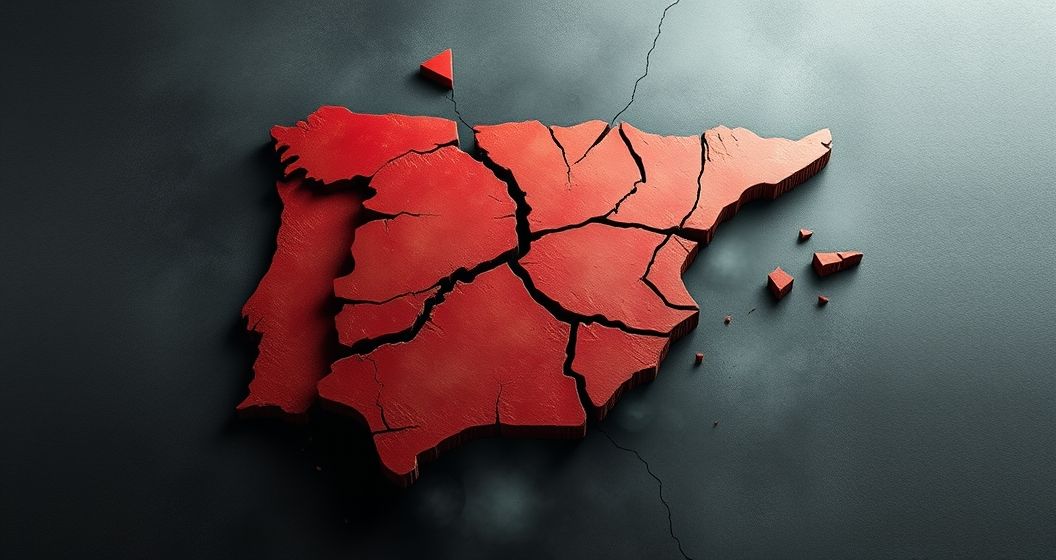
Spain is currently navigating a complex web of political, economic, and social challenges, keeping its citizens and European observers on edge. From contentious legislative battles to widespread agricultural unrest and persistent cost-of-living concerns, the Iberian nation finds itself at a pivotal juncture. Understanding these intertwined issues is crucial to grasping the current climate and future trajectory of Spain. This report dives into the most pressing news shaping the country today, offering a comprehensive look at the events that are captivating national attention and sparking intense debate.
The Amnesty Bill: Spain’s Political Firestorm Rages On
The highly controversial **amnesty law** for Catalan separatists continues to dominate Spain’s political agenda, fueling intense debate and deep divisions across the nation. Proposed by Prime Minister Pedro Sánchez’s Socialist Party (PSOE) to secure support for his new government, the bill aims to pardon those involved in the 2017 Catalan independence bid. While proponents argue it’s a necessary step towards reconciliation and de-escalation of regional tensions, critics, including the conservative People’s Party (PP) and the far-right Vox, vehemently oppose it. They contend it undermines the rule of law, grants impunity to criminals, and threatens national unity. The legislative process has been fraught with challenges, with parliamentary votes often coming down to razor-thin margins. Public protests, both for and against the measure, have become a regular feature in major cities, highlighting the profound ideological chasm the bill has created. The political landscape remains incredibly volatile, with the government’s stability directly tied to its ability to push through this contentious legislation amidst fierce opposition and legal scrutiny.
Tractors Take Over! Spanish Farmers Demand Action NOW
Across Spain, thousands of farmers have taken to the streets, blocking major highways and staging demonstrations in a powerful display of discontent. These “tractoradas” are part of a broader European movement, but in Spain, they are amplified by specific national grievances. Spanish farmers are protesting a combination of factors: **burdensome European Union agricultural policies** (such as the Green Deal), soaring production costs (fuel, fertilizers, energy), unfair competition from imports that don’t meet EU standards, and the devastating impact of ongoing drought conditions. They argue that these pressures are making their livelihoods unsustainable, threatening the future of rural communities and national food security. The protests have garnered significant public sympathy, putting immense pressure on the government to respond with concrete measures. Discussions with agricultural associations are ongoing, with farmers demanding fairer prices, reduced bureaucracy, and effective solutions to climate-related challenges. The future of Spain’s agricultural sector hinges on the government’s ability to address these deep-seated issues effectively and swiftly.
Navigating the Economic Headwinds: Inflation and Housing Woes Persist
Spain’s economy, while showing resilience in some areas, continues to grapple with persistent challenges, most notably the **cost of living crisis** and an escalating housing problem. Inflation, though easing from its peaks, still impacts household budgets, eroding purchasing power for many Spanish families. Essential goods and services remain expensive, forcing many to make difficult financial choices. Simultaneously, the housing market presents a formidable hurdle, especially in major urban centers and popular tourist destinations. Rent prices have surged dramatically, making affordable housing increasingly out of reach for young people and lower-income families. The government has introduced measures, including rent control initiatives and increased social housing investments, but critics argue these are insufficient to tackle the scale of the problem. Debates around **economic growth, employment figures, and fiscal policies** are constant, as the nation strives to maintain stability while addressing the everyday financial struggles of its citizens. The interplay of inflation and housing costs remains a critical focal point for policymakers and a significant source of concern for the public.