
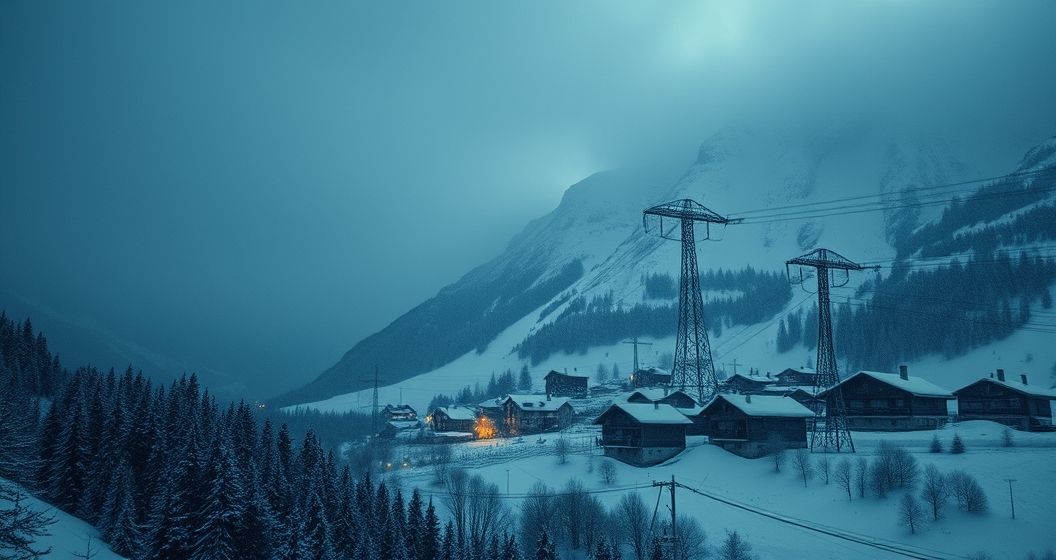
As winter approaches, Switzerland finds itself navigating a complex landscape of pressing domestic issues, ranging from critical energy supply concerns to the ever-escalating costs of health insurance. The nation, known for its stability and high quality of life, is grappling with significant challenges that are dominating national headlines and public discourse, alongside crucial economic policy decisions from the Swiss National Bank (SNB).
The Looming Shadow of Energy Scarcity
One of the most urgent topics captivating Switzerland is the preparedness for the upcoming winter in terms of energy supply. Discussions are rife about potential electricity shortages and the government’s efforts to ensure a stable power grid. While Switzerland relies heavily on hydroelectric power, its winter supply often depends on electricity imports, primarily from France and Germany. However, with the broader European energy crisis, these imports are less certain, prompting domestic alarm.
- Government Initiatives: The Swiss Federal Council is actively exploring various strategies, including reserve power plants, contingency plans for potential blackouts, and calls for energy-saving measures across households and industries. There’s a renewed focus on strengthening domestic energy production and exploring renewable alternatives, although immediate solutions for winter remain the priority.
- Public Debate: The debate extends to the future of nuclear power in Switzerland, with some voices advocating for extending the lifespan of existing plants or even considering new ones, despite the country’s long-standing commitment to phasing out nuclear energy. The emphasis is on balancing environmental goals with the undeniable need for energy security.
Soaring Health Insurance Premiums: A Growing Burden
Another major source of public concern and political contention revolves around the relentless increase in health insurance premiums. Swiss citizens are legally required to have basic health insurance, and the annual premium hikes have become a significant financial strain for many households. This issue consistently features as a top priority in public opinion polls.
- Political Solutions: Various political parties and interest groups are proposing diverse solutions. These range from capping premium increases, increasing state subsidies for lower-income households, to more fundamental reforms of the healthcare system itself, aiming to reduce administrative costs and pharmaceutical prices.
- Impact on Households: For many Swiss families, health insurance premiums represent a substantial portion of their monthly budget, often leading to difficult financial choices. The ongoing discussions highlight the challenge of maintaining a high-quality, universal healthcare system while keeping costs manageable for the populace.
SNB’s Monetary Policy and Economic Outlook
Amidst these domestic concerns, the Swiss National Bank (SNB) continues to play a pivotal role in maintaining economic stability. Recent SNB decisions regarding interest rates have significant implications for the Swiss economy, affecting everything from mortgage rates to savings accounts and the overall inflation outlook.
- Inflation and Franc Strength: While Switzerland has generally experienced lower inflation compared to its Eurozone neighbors, controlling price stability remains a key objective for the SNB. The strength of the Swiss Franc, often seen as a safe-haven currency, also influences export competitiveness and imported goods’ prices.
- Economic Forecasts: Analysts are closely watching the SNB’s guidance on future monetary policy, as it provides crucial indicators for economic growth, employment, and investment in the country. The balance between combating inflation and supporting economic activity is a delicate one, especially in the face of global uncertainties.
These intertwined challenges underscore a dynamic period for Switzerland, as it seeks to uphold its reputation for stability and prosperity while adapting to evolving global and domestic pressures. The decisions made in the coming months, particularly concerning energy and healthcare, will undoubtedly shape the daily lives of its citizens and the nation’s future trajectory.