
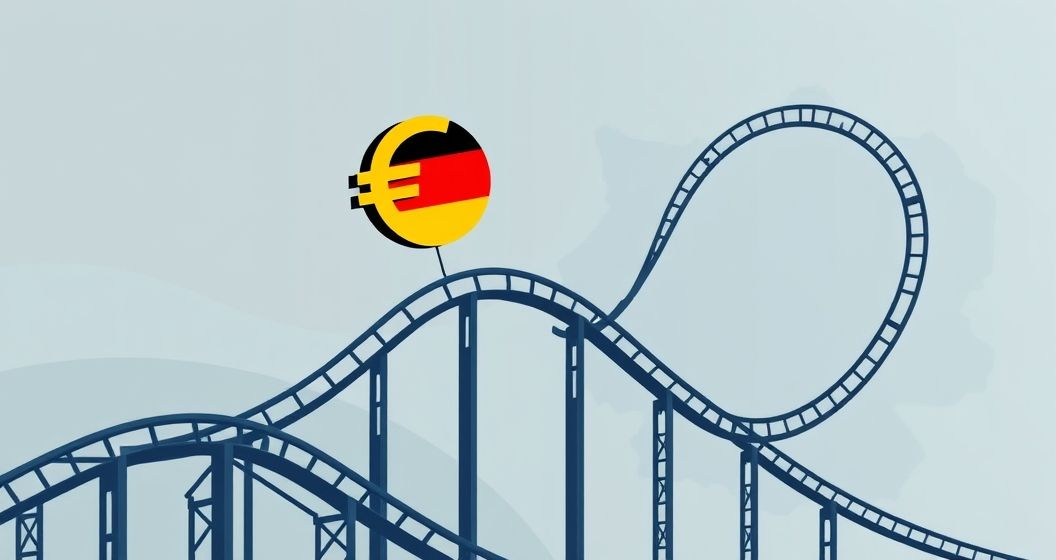
In a dynamic week for Germany, headlines from Google News Germany reveal a nation grappling with persistent economic challenges, significant political maneuvers, and a continued push towards its ambitious energy transition. The sheer volume of news underscores the complexity of current affairs impacting Europe’s largest economy, with a particular focus on inflation, governmental budget debates, and the future of industrial policy.
Germany Battles Stubborn Inflation: What’s Next?
The **inflationary pressures** continue to dominate economic discourse across Germany. Recent data indicates that while there might be a slight easing in some sectors, the overall cost of living remains a pressing concern for households and businesses alike. Energy prices, though having somewhat stabilized compared to peak crisis levels, are still a significant factor. Economists are closely monitoring the European Central Bank’s (ECB) next moves, with the prospect of further interest rate hikes looming to tame rising prices. The German government is under increasing pressure to implement targeted relief measures without fueling further inflation, walking a tightrope between supporting citizens and maintaining fiscal discipline.
- Energy Costs: Despite relief measures, high energy prices continue to impact industrial output and household budgets.
- Consumer Confidence: Fluctuating but generally cautious, reflecting ongoing economic uncertainties.
- ECB’s Role: Market observers anticipate further monetary policy adjustments to curb inflation.
Coalition Debates Intensify Over Budget and Future Investments
The Ampel coalition (SPD, Greens, FDP) finds itself embroiled in intense internal debates, particularly concerning the upcoming federal budget. Points of contention range from allocations for defense spending and climate protection projects to social welfare programs. Finance Minister Christian Lindner (FDP) is reportedly advocating for strict adherence to the debt brake, while other coalition partners push for more expansive investments in critical areas. These discussions are crucial as they will define Germany’s economic trajectory and strategic priorities for the coming years. The outcome of these negotiations will not only impact domestic policy but also Germany’s standing within the European Union.
Green Transition at a Crossroads: Germany’s Renewable Push
Germany’s commitment to the **Energiewende** (energy transition) remains unwavering, yet the practical implementation faces significant hurdles. The expansion of renewable energy sources, particularly wind and solar, is accelerating, but challenges persist in grid infrastructure, permitting processes, and public acceptance. Recent reports highlight efforts to streamline bureaucracy and attract more investment into green technologies. There’s also a renewed focus on hydrogen as a key pillar for industrial decarbonization, with the government outlining strategies to boost both domestic production and international partnerships. The goal is to reduce reliance on fossil fuels, enhance energy security, and meet ambitious climate targets, all while maintaining industrial competitiveness.
The current news cycle from Germany reflects a nation actively navigating complex global and domestic landscapes. From economic stabilization to political consensus-building and a forward-looking energy strategy, the decisions made today will undoubtedly shape Germany’s future for decades to come. Stay tuned for more updates as these stories unfold!


