
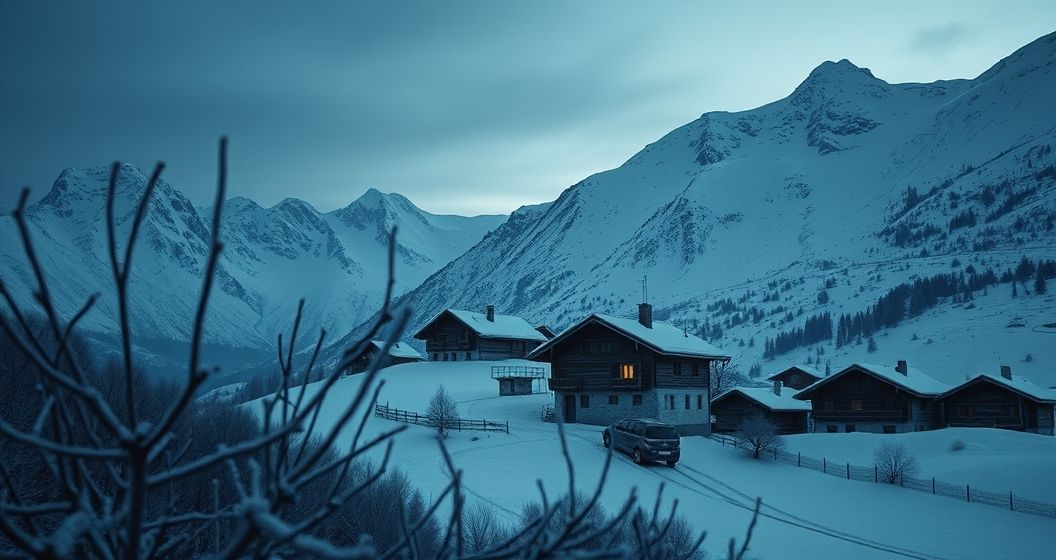
As winter approaches, Switzerland finds itself navigating a complex landscape of economic uncertainties and pressing social issues. From inflation concerns pushing the Swiss National Bank (SNB) to act, to ongoing debates about energy security and the escalating cost of living, the Alpine nation is bracing for a season of significant challenges. The latest reports from across the country indicate a heightened focus on domestic stability amidst a turbulent global environment.
The Swiss Economy Under Pressure: Inflation and SNB Moves
The specter of inflation continues to loom large over the Swiss economy. While historically more resilient than its European neighbors, Switzerland is not immune to global price surges. Recent data suggests that while inflation has shown signs of moderation, it remains above the SNB’s comfort zone, prompting proactive measures. The Swiss National Bank recently signaled its commitment to price stability, emphasizing that further adjustments to its monetary policy are not off the table should inflationary pressures persist.
This economic climate directly impacts household budgets. Consumers are feeling the pinch from rising costs for essential goods and services, leading to widespread discussions about the affordability crisis. The strength of the Swiss Franc, while offering some protection against imported inflation, also presents challenges for the nation’s export-oriented industries.
Energy Security: A Cold Winter Ahead?
With memories of last winter’s energy concerns still fresh, Switzerland is once again scrutinizing its energy supply for the upcoming colder months. Despite significant efforts to diversify sources and boost renewable capacities, the nation remains vulnerable to geopolitical shifts and supply chain disruptions. Recent government advisories and public campaigns underscore the importance of energy conservation, urging citizens and businesses to contribute to collective efforts.
Key topics dominating the energy debate include:
- Hydropower Reserves: Ensuring sufficient water levels for hydroelectric generation.
- Gas Supply Diversification: Reducing reliance on single sources.
- Nuclear Power Debates: Renewed discussions on the future of existing nuclear plants.
- Renewable Energy Investments: Accelerating solar and wind projects.
Experts warn that while Switzerland is better prepared than last year, a harsh winter coupled with unforeseen international events could still test the country’s energy resilience. The focus remains on strategic reserves and cross-border cooperation to secure a stable supply.
Social Challenges: Pensions, Healthcare, and Housing
Beyond the economy and energy, Switzerland is grappling with several significant social challenges that are generating intense public and political debate.
Pensions Under Scrutiny
The future of the Swiss pension system is a perennial hot topic. With an aging population, the long-term sustainability of old-age and survivors’ insurance (AHV/AVS) is a major concern. Recent reforms aimed at stabilizing the system have met with mixed reactions, highlighting the deep divisions within society on how best to secure retirement for future generations. Further legislative proposals are expected to address the looming demographic shifts.
Escalating Healthcare Costs
Swiss healthcare, renowned for its quality, is also infamous for its high costs. Premiums continue to rise, placing a substantial burden on households. Political parties and advocacy groups are actively proposing various solutions, from increased state subsidies to structural reforms within the insurance system, all seeking to make healthcare more affordable without compromising its high standards. The debate frequently centers on patient contributions, pharmaceutical pricing, and the role of health insurers.
The Housing Market Squeeze
In many urban centers, the housing market remains exceptionally tight, with rental prices reaching new highs. This squeeze is particularly acute for young professionals and families, impacting urban planning and social cohesion. Municipalities are exploring measures to increase housing supply, including zoning adjustments and promoting affordable housing projects, but solutions are proving complex and slow to implement. The scarcity of affordable living spaces is now a central theme in local political campaigns.
Overall, Switzerland faces a multifaceted array of challenges as it heads into the colder months. The interplay between global economic forces, domestic policy decisions, and societal expectations will shape the nation’s trajectory in the coming year, underscoring the importance of decisive leadership and collective resilience.