
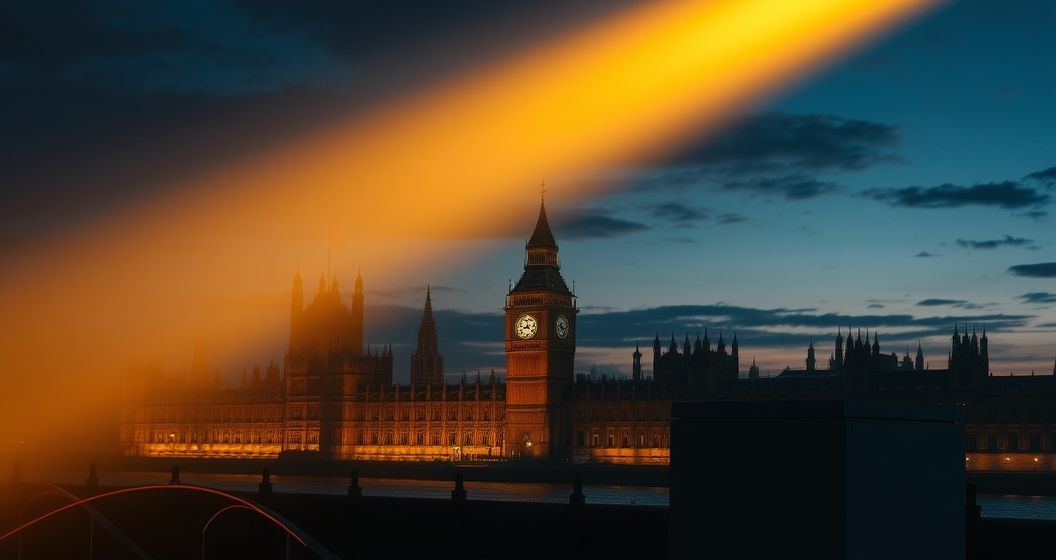
The United Kingdom is currently a whirlwind of political activity, with the **General Election campaign** intensifying ahead of the July 4th vote. As parties crisscross the nation, making their final pitches to undecided voters, the political landscape is buzzing with promises, debates, and shifting poll numbers. Meanwhile, Prime Minister **Rishi Sunak** has been juggling domestic campaigning with critical international diplomacy, attending the recent G7 Summit, underscoring the UK’s dual focus on internal change and global influence.
UK General Election: The Race to Number 10 Heats Up
With less than three weeks until polling day, the UK General Election has reached a fever pitch. Both the Labour Party, led by **Keir Starmer**, and the Conservative Party, under Rishi Sunak, are pushing their core messages to the electorate. Recent days have seen a flurry of manifesto launches, outlining ambitious plans for the economy, healthcare, education, and social services. Labour continues to hold a significant lead in most opinion polls, a consistent trend since the election was called.
- Manifesto Promises: Labour is focusing on wealth creation, nationalising key services, and a ‘New Deal for Working People’. The Conservatives are championing tax cuts, controlling immigration, and strengthening national security.
- Debates and Scrutiny: Televised debates have provided heated exchanges, offering voters a direct comparison of the leaders’ visions. However, these events have also brought increased scrutiny on each party’s financial pledges and feasibility of their policies.
- Voter Engagement: Campaigns are working tirelessly to engage voters, particularly those in marginal constituencies. The deadline for voter registration has passed, and attention now turns to encouraging turnout, especially among younger demographics.
The outcome of this election is poised to be one of the most significant in recent memory, potentially ushering in a new era of governance for the UK after 14 years of Conservative rule. The political future of the country hangs in the balance as voters weigh their options.
G7 Summit: UK’s Role on the Global Stage
Amidst the domestic political fervor, Prime Minister Rishi Sunak recently represented the UK at the **G7 Summit** in Italy. The summit brought together leaders from the world’s most advanced economies to discuss pressing global challenges. Key topics included the ongoing conflict in Ukraine, global economic stability, climate change, and artificial intelligence regulation.
Key Outcomes for the UK:
- Ukraine Support: The UK reaffirmed its unwavering support for Ukraine, participating in discussions around leveraging frozen Russian assets to aid Kyiv and providing further military and financial assistance.
- Economic Cooperation: Discussions focused on strengthening global supply chains and tackling inflationary pressures, with the UK advocating for robust international economic cooperation to foster growth.
- AI Regulation: Sunak, a strong proponent of safe AI development, engaged with fellow leaders on establishing international frameworks for artificial intelligence, building on the UK’s earlier AI Safety Summit initiatives.
Sunak’s presence at the G7 highlighted the UK’s continued commitment to multilateralism and its role in addressing complex international issues, even as its internal politics dominate headlines.
Economic Outlook: A Key Election Battleground
The state of the British economy remains a central theme in the election campaign. Both major parties are offering contrasting approaches to tackle the **cost of living crisis**, inflation, and public debt. Recent economic data, including updates on inflation and GDP growth, are closely watched by voters and politicians alike.
While inflation has shown signs of easing, the lingering effects of high prices and interest rates continue to impact households and businesses. The Bank of England’s future decisions on interest rates are a constant topic of speculation, with any shift having significant implications for mortgage holders and consumers. The parties’ economic manifestos are now under intense scrutiny, as voters seek viable solutions to improve their financial well-being.
As the election countdown continues, the interplay between domestic political promises and global economic realities will undoubtedly shape the UK’s trajectory in the coming years.


