
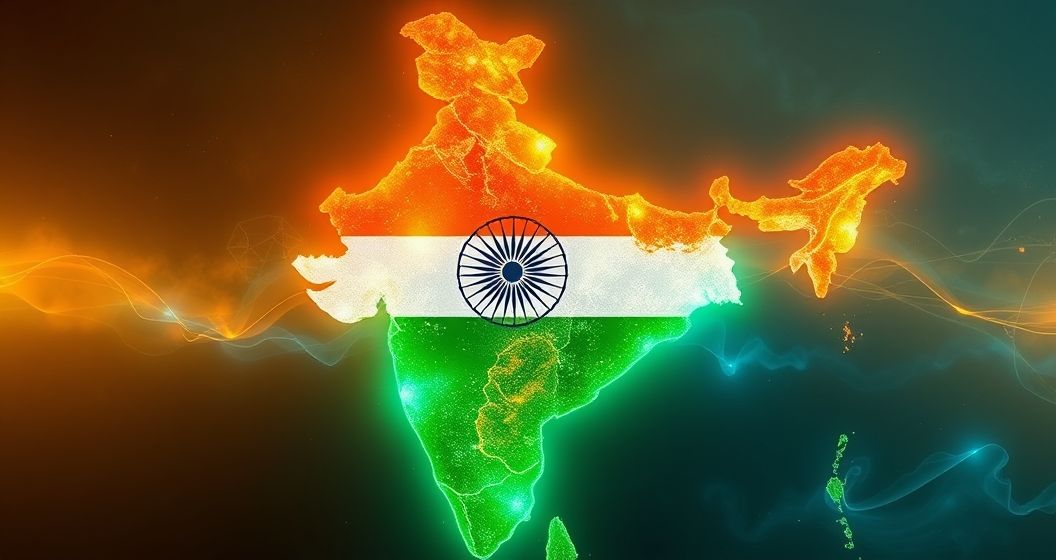
India, the world’s largest democracy, has once again captivated global attention with the results of its monumental general elections. The outcome, defying many exit polls and political pundits, has ushered in a new era of coalition politics, marking a significant shift from the dominant mandate witnessed in previous years. The Bharatiya Janata Party (BJP), led by Prime Minister Narendra Modi, secured a third term for the National Democratic Alliance (NDA), yet the journey to power appears more complex this time around.
Decoding the Mandate: A Coalition’s Dawn
The Lok Sabha election results saw the BJP fall short of an outright majority on its own, a stark contrast to its landslide victories in 2014 and 2019. This outcome necessitates a greater reliance on its coalition partners within the NDA, particularly the Telugu Desam Party (TDP) and Janata Dal (United) (JDU), to form a stable government. The unexpected resurgence of the INDIA bloc, the opposition alliance spearheaded by the Indian National Congress, added a dramatic twist, performing significantly better than anticipated and securing a formidable number of seats.
- BJP’s Performance: While still the single largest party, the BJP’s reduced numbers indicate a nuanced public sentiment, perhaps reflecting concerns over economic issues, unemployment, and regional dynamics.
- Opposition’s Rise: The INDIA bloc’s strong showing has invigorated the opposition, promising a more robust parliamentary discourse and potentially challenging the government on various policy fronts.
- Key Allies: The TDP and JDU emerge as crucial kingmakers, their demands and support pivotal for the stability and legislative agenda of the new government.
What This Means for India’s Future
The transition to a coalition government is expected to influence policy-making, potentially leading to more consensus-driven decisions. Economic reforms might face increased scrutiny, and social welfare programs could see greater emphasis. Investors, both domestic and international, are closely watching how this new political landscape will affect economic stability and growth trajectories. The market initially reacted with volatility, but a sense of cautious optimism is now prevailing as the contours of the new government become clearer.
“This election has truly redefined India’s political narrative,” remarked a leading political analyst. “It underscores the vibrancy of our democracy and the evolving demands of our electorate.”
Beyond Politics: India’s Ongoing Challenges
While the political drama unfolds, India continues to grapple with pressing issues that transcend party lines. The nation is currently battling an intense heatwave across several states, with temperatures soaring to unprecedented levels, causing significant health concerns and putting immense pressure on infrastructure. Efforts to mitigate the impact of climate change and bolster public health systems remain critical.
Moreover, the focus on economic growth and job creation remains paramount. The new government will inherit the challenge of maintaining India’s position as one of the world’s fastest-growing major economies while ensuring inclusive development that reaches every segment of the population. The emphasis will likely be on attracting foreign investment, boosting manufacturing, and continuing infrastructure development, albeit with potentially altered priorities dictated by coalition dynamics.
In essence, India stands at a fascinating juncture. The election results have not just reshaped its political map but have also set the stage for a period of dynamic governance, where collaboration and consensus will be key to navigating the nation’s ambitious future.
