
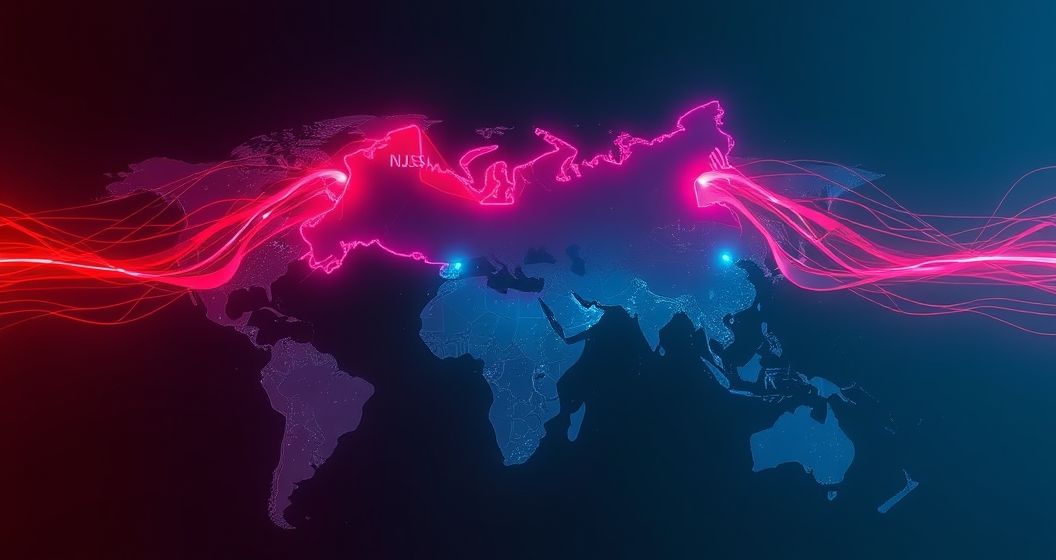
In a rapidly evolving global landscape, Russia remains a focal point of international attention, with its internal dynamics and external policies continuously shaping geopolitical discourse. From ongoing geopolitical tensions to intricate economic adaptations, the nation’s narrative is a complex tapestry of strategic maneuvers and societal shifts. Staying abreast of the latest developments from Moscow is crucial for understanding the broader international picture.
Geopolitical Chessboard: Latest Moves and Reactions
The geopolitical stage continues to witness intense activity concerning Russia, particularly in relation to the ongoing conflict in Ukraine. Recent reports highlight a sustained focus on military strategies and diplomatic efforts, both by Moscow and its international counterparts. Official statements from the Kremlin frequently emphasize national security interests and perceived external threats, framing the current situation as a defense of its sovereignty and sphere of influence. Meanwhile, international bodies and Western nations continue to monitor developments closely, reiterating calls for de-escalation and adherence to international law.
Key developments often include:
- Intensified military engagements in specific regions, with both sides reporting varying levels of success and challenges.
- Frequent exchanges of diplomatic rhetoric between Moscow and Western capitals, often characterized by strong condemnation or resolute defense.
- Discussions surrounding potential peace initiatives or negotiations, though concrete breakthroughs remain elusive.
- The role of international organizations in attempting to mediate or provide humanitarian aid amid the conflict’s ramifications.
These events underscore the deep divisions and high stakes involved, with every move on the geopolitical chessboard having significant ripple effects across the globe.
Russia’s Economic Resilience: Adapting to New Realities
Economically, Russia continues to navigate a complex environment marked by extensive international sanctions and a concerted effort to reorient its trade and financial flows. Despite initial predictions of severe economic contraction, the nation has shown a degree of resilience, primarily through robust energy exports to non-Western markets and a shift towards domestic production and import substitution.
The Central Bank of Russia frequently updates its monetary policy, striving to maintain financial stability amidst external pressures. The ruble’s performance, often a barometer of economic sentiment, remains a subject of close observation, influenced by commodity prices and capital controls. Efforts to diversify trade partners have seen Russia strengthen ties with Asian, African, and Latin American countries, reducing its reliance on traditional European markets.
Major economic trends include:
- Energy sector adaptation: Rerouting oil and gas exports to new markets, particularly in Asia.
- Increased focus on domestic manufacturing and agricultural self-sufficiency to mitigate the impact of import restrictions.
- Development of alternative payment systems and financial infrastructure to circumvent Western sanctions.
- Government spending initiatives aimed at supporting strategic industries and social programs.
This ongoing economic transformation reflects Russia’s strategic pivot and its determination to build a more self-sufficient and diversified economy in the face of persistent external challenges.
Internal Dynamics and Societal Pulse
Domestically, Russian society continues to experience shifts influenced by both global events and government policies. Public discourse often centers on national unity, economic stability, and the country’s role on the international stage. Government initiatives frequently aim to bolster social programs, support families, and promote patriotic values.
Regional developments also play a significant role, with various regions facing unique economic and social challenges that are addressed through local and federal programs. Issues such as infrastructure development, technological advancement, and environmental protection are regularly discussed within the public sphere and by official bodies. The interplay between federal directives and regional specificities defines much of the internal policy landscape.
As Russia navigates this complex period, the interplay of its geopolitical actions, economic adaptations, and internal societal trends continues to shape its trajectory, making it a critical subject for global observers.


