
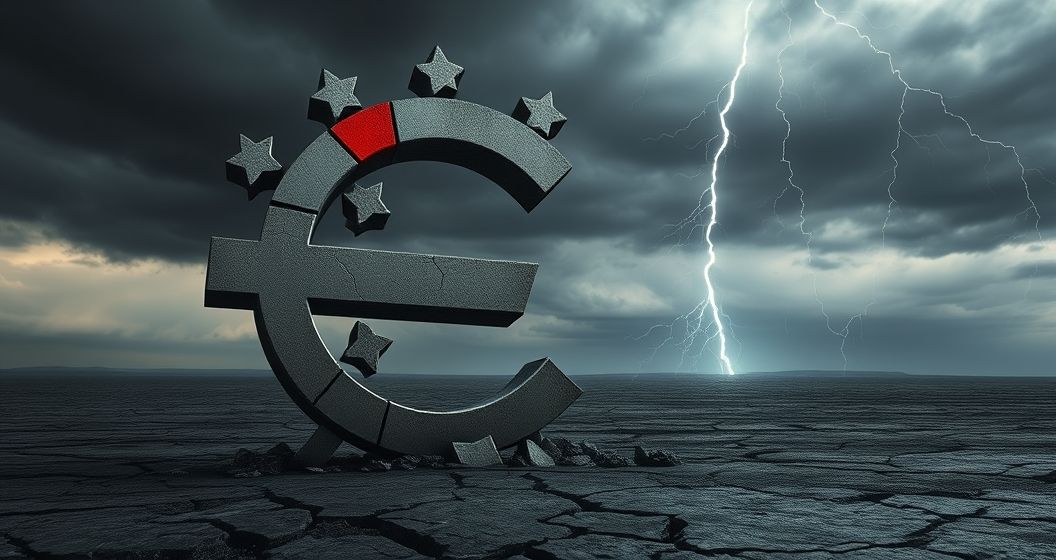
As the summer sun bathes Germany, a palpable buzz fills the air. The nation is currently immersed in the vibrant spectacle of Euro 2024, proudly hosting one of the world’s most anticipated football tournaments. Yet, beneath this unifying wave of sporting euphoria, Germany grapples with a complex tapestry of economic anxieties and a shifting political landscape that promises a future as unpredictable as a penalty shootout.
Euro 2024 Frenzy: The Nation United?
The streets are awash with national colours, fan zones are overflowing, and the collective roar of supporters echoes across cities from Berlin to Munich. Germany’s role as the host nation for Euro 2024 has provided a much-needed morale boost, temporarily diverting attention from domestic challenges. Excitement is at an all-time high, with hopes pinned on the national team to deliver a memorable performance. This tournament isn’t just about football; it’s a testament to Germany’s organizational prowess and a celebration of European unity, offering a brief, powerful reprieve from the everyday grind. The sheer scale of the event, drawing hundreds of thousands of visitors, also provides a significant, albeit temporary, economic injection into the hospitality and tourism sectors, creating a rare moment of national consensus and shared joy.
Economic Headwinds: Budget Battles and Growth Worries
Beneath the festive surface, Germany’s economic engine is sputtering. The “locomotive of Europe” faces significant headwinds, including persistent inflation, high energy costs, and an ongoing debate over the federal budget. The coalition government, often dubbed the “traffic light” coalition (SPD, Greens, FDP), is locked in intense negotiations over spending priorities, struggling to reconcile ambitious climate goals with fiscal prudence. Reports from the Bundesbank and leading economic institutes paint a picture of subdued growth forecasts, with concerns about the competitiveness of key industries. Businesses are grappling with red tape, labour shortages, and the increasing cost of doing business, leading to a cautious outlook. The long-term implications of these economic challenges are a dominant theme in German media, prompting difficult conversations about structural reforms and future investment strategies.
Political Fault Lines: The Shifting Landscape
The economic anxieties are inextricably linked to a volatile political climate. Recent polls indicate a significant surge in support for the right-wing populist party, the Alternative for Germany (AfD), particularly in the eastern states. This trend, highlighted in the aftermath of the European Parliament elections, signals a profound discontent with traditional parties and government policies. Chancellor Olaf Scholz’s coalition faces mounting pressure, with approval ratings struggling amidst internal disagreements and public frustration. Upcoming state elections in Saxony, Thuringia, and Brandenburg are viewed as critical tests for Germany’s democratic institutions. The political discourse is increasingly polarized, focusing on issues ranging from immigration and climate policy to social welfare and Germany’s role in international conflicts. This fragmentation poses significant challenges to forming stable governments and implementing long-term policies, suggesting a period of continued political volatility.
In conclusion, Germany finds itself at a fascinating crossroads. The exuberance of Euro 2024 offers a vibrant, albeit temporary, distraction from the deeper currents of economic uncertainty and a rapidly evolving political landscape. As the cheering fades, the nation will inevitably return to confronting these multifaceted challenges, demonstrating its characteristic resilience and capacity for adaptation in a rapidly changing world.

