
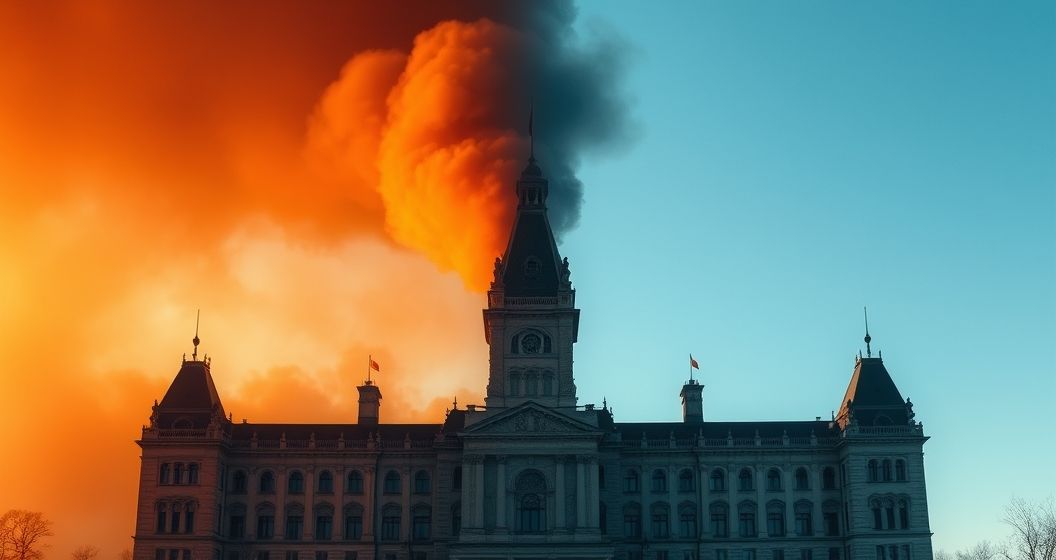
Canada is navigating a complex period marked by intense political debate over fiscal policy and escalating environmental concerns as wildfire season begins. The federal government’s proposed changes to the capital gains tax have sparked a significant national conversation, while western provinces are on high alert for what experts predict could be another challenging season of fires. These issues highlight the pressing economic and environmental challenges facing the country.
Heated Debate Over Capital Gains Tax
A contentious debate is unfolding in Ottawa over the government’s plan to increase the inclusion rate on capital gains. The proposed legislation would raise the tax rate on capital gains above $250,000 for individuals and on all capital gains for corporations. The government argues this measure is about “tax fairness,” aiming to fund critical investments in housing, healthcare, and other social programs by asking the wealthiest to pay more.
However, the policy has drawn sharp criticism from opposition parties and various sectors of the economy. Critics, including business groups and medical associations, warn that the tax hike could stifle innovation, discourage investment, and drive professionals like doctors out of the country. They argue it unfairly penalizes small business owners, farmers, and others who rely on selling assets for their retirement, creating uncertainty in the Canadian economy.
Wildfire Season Puts Provinces on High Alert
While economic debates dominate the political landscape, a more immediate threat is growing in Western Canada. Provinces like British Columbia and Alberta are bracing for a potentially severe wildfire season. Following a record-breaking year for fires, conditions remain dry in many regions, and several significant “holdover” fires from last season continue to smoulder underground. These fires can re-emerge with warmer weather and wind, posing a significant risk.
Provincial authorities are implementing fire bans and allocating resources to firefighting efforts, urging residents in high-risk areas to be prepared for potential evacuation alerts. The focus is on early detection and rapid response to prevent small fires from growing into uncontrollable blazes. The situation is a stark reminder of the increasing impact of climate change on the country’s landscape and communities.
Economic Pressures and Interest Rate Relief
Underlying these major events is the persistent issue of the cost of living. Many Canadians continue to struggle with high prices for groceries, fuel, and housing. In a move to address economic pressure, the Bank of Canada recently announced a cut to its key interest rate, providing some relief for mortgage holders and borrowers. This decision signals a potential shift in monetary policy as inflation shows signs of cooling.
Despite this positive step, financial strain remains a reality for many households. The central bank’s actions are being closely watched, as future rate decisions will depend on incoming economic data. The interplay between fiscal policy, such as the capital gains tax, and monetary policy will be crucial in shaping Canada’s economic trajectory in the months ahead.


