
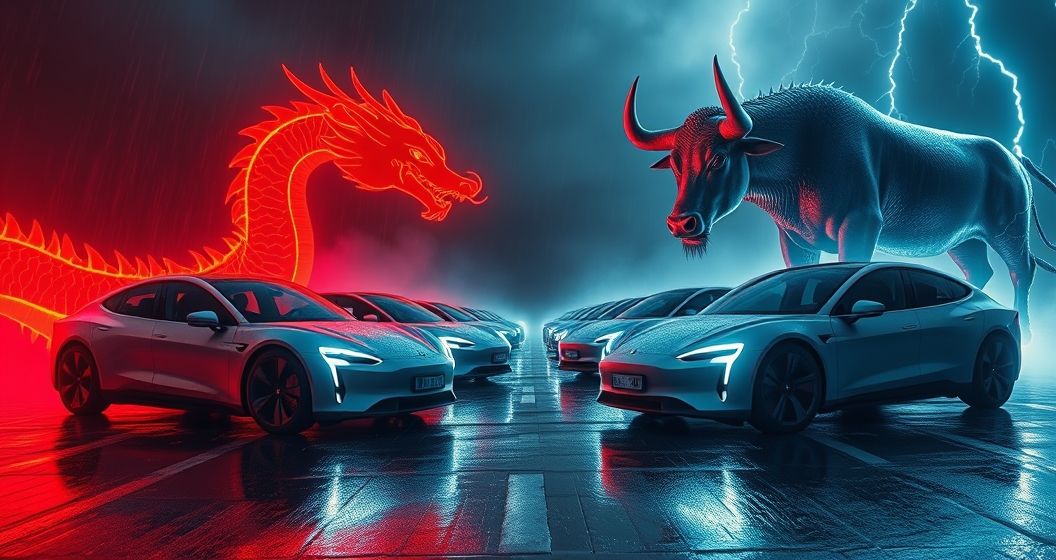
Recent developments in global trade have placed China’s burgeoning electric vehicle (EV) industry under intense scrutiny. The European Union has announced provisional tariffs on Chinese-made EVs, a move that Beijing has strongly condemned. Chinese authorities have signaled that they will take all necessary measures to protect the legitimate rights and interests of their domestic companies, setting the stage for a potential escalation in trade friction between two of the world’s largest economic blocs.
The European Union’s Tariff Decision
The European Commission’s move follows an anti-subsidy investigation launched last year. The EU alleges that China’s EV supply chain benefits from unfair state subsidies, which allows manufacturers to offer lower prices and gain an unfair advantage in the European market. The newly proposed tariffs vary by manufacturer, with some prominent brands facing significant additional duties on top of the existing import tax. This decision aims to level the playing field for European carmakers, who are facing stiff competition from their Chinese counterparts.
This protectionist measure reflects growing concern within Europe about the rapid expansion of China’s automotive industry. While the tariffs are currently provisional, they could be made permanent later in the year if a diplomatic solution is not reached. The decision has created uncertainty for both Chinese EV makers planning further European expansion and for European consumers who have been attracted by the competitive pricing and advanced technology of these vehicles.
Beijing’s Firm Response and Potential Retaliation
China’s Ministry of Commerce swiftly criticized the EU’s decision, labeling it a “blatant act of protectionism” that lacks a factual and legal basis. Officials argue that the rapid development of China’s EV industry is a result of technological innovation and robust market competition, not state-led subsidies. Beijing has urged the EU to correct its course immediately and has made it clear that it is prepared to respond decisively to safeguard its interests.
While specific countermeasures have not been officially announced, speculation is mounting. Analysts suggest that Beijing could target European goods with retaliatory tariffs, potentially affecting sectors such as luxury automobiles, agriculture, and aviation. The Chinese government has initiated its own anti-dumping investigation into certain European products, a move widely seen as a direct response to the EV tariff dispute. The situation remains fluid as both sides weigh their next steps in this high-stakes trade standoff.
Impact on a Booming Industry
The EU is a critical market for Chinese EV manufacturers like BYD, Geely, and NIO, who have invested heavily in building their brand presence across the continent. These tariffs threaten to disrupt their growth strategies and could make their vehicles less competitive. The additional costs will likely be passed on to consumers, potentially slowing the adoption of electric vehicles at a time when Europe is pushing for a green transition. The dispute highlights the complexities of global supply chains and the geopolitical tensions intertwined with the future of mobility.


