
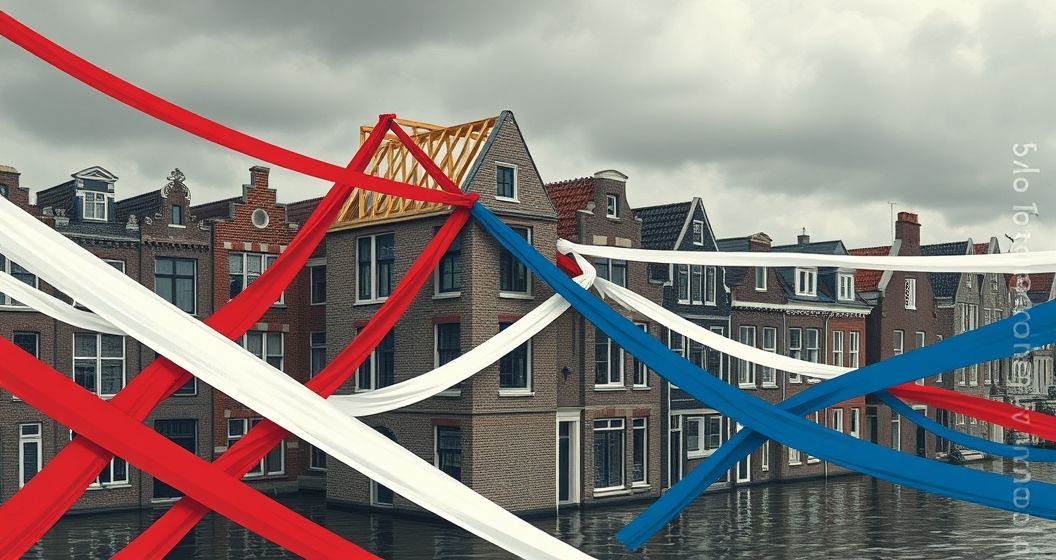
The Netherlands is currently navigating a period of significant political and economic uncertainty. Complex coalition negotiations continue to dominate the headlines, while a persistent housing crisis adds pressure on both the government and its citizens. These key issues are shaping the national conversation, highlighting the challenges the country faces in maintaining stability and prosperity.
Political Deadlock in Coalition Talks
Following the recent general election, forming a new government has proven to be a complex and lengthy process. The parties involved in the negotiations are struggling to find common ground on several key policy areas, leading to a prolonged period of political uncertainty. The discussions, held in The Hague, are critical for determining the future direction of the country on matters ranging from immigration to climate policy and public spending.
The difficulty in establishing a stable majority coalition raises concerns about effective governance. Analysts suggest that any resulting government may be fragile, potentially impacting its ability to pass significant legislation. The outcome of these talks will have far-reaching consequences for Dutch society and its position within the European Union, making it a closely watched process both domestically and internationally.
The Persistent Housing Shortage
Alongside the political challenges, the Netherlands continues to grapple with a severe housing crisis. A significant shortage of affordable homes, particularly in major urban areas, has driven up prices for both rentals and purchases. This situation places immense strain on young people, families, and individuals with lower incomes, making it increasingly difficult for them to find suitable accommodation. The lack of available housing is a major social and economic issue.
Experts point to a combination of factors fueling the crisis, including strict zoning regulations, a shortage of construction materials, and a growing population. The government faces immense pressure to implement effective measures to accelerate new construction projects and make housing more accessible. Proposed solutions are a key topic in the ongoing coalition talks, as finding a sustainable path forward is seen as essential for social stability.
Economic Pressures and Corporate Climate
The nation’s economic landscape is also under scrutiny. While the Dutch economy remains robust, concerns about the business climate have emerged. High-profile companies, including technology giant ASML, have voiced concerns about the challenges of operating and expanding within the country. These concerns often relate to talent acquisition, infrastructure, and regulatory burdens, prompting discussions about how to keep the Netherlands attractive for international investment.
The government is actively working to address these issues to ensure that major corporations remain rooted in the country. The economic contribution of these companies is vital for national prosperity, funding public services and driving innovation. Therefore, policies related to taxation, research and development, and immigration for skilled workers are central to securing the nation’s long-term economic health.