
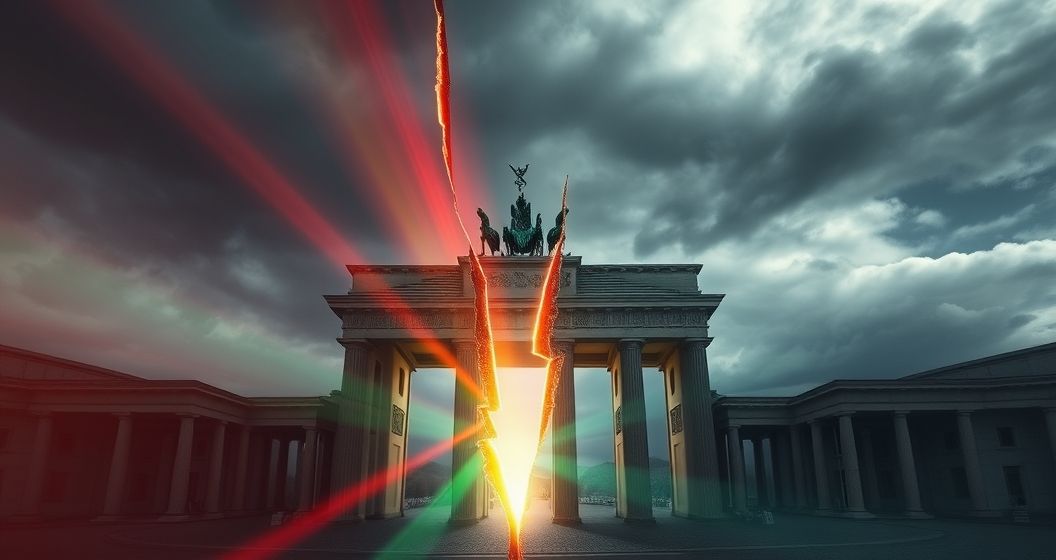
Germany’s ruling coalition is locked in a tense and increasingly public battle over the 2025 federal budget, exposing deep ideological fissures within the three-party alliance. The government, led by Chancellor Olaf Scholz, is struggling to bridge a multi-billion euro gap in its financial planning. This high-stakes dispute pits the fiscal conservatism of the Free Democrats (FDP) against the spending priorities of the Social Democrats (SPD) and the Greens, threatening key policy initiatives and the stability of the government itself.
The Core of the Fiscal Conflict
At the heart of the disagreement is Finance Minister Christian Lindner’s (FDP) insistence on adhering to Germany’s constitutional “debt brake,” which strictly limits new government borrowing. To meet this requirement, Lindner has demanded significant spending cuts across most government departments. This austerity-focused approach directly clashes with the objectives of his coalition partners, who argue that such cuts would jeopardize social welfare, climate protection projects, and necessary investments in infrastructure and defense.
Ministers from the Greens and SPD have voiced strong opposition, highlighting the potential damage to Germany’s economic transformation and social cohesion. For instance, Development Minister Svenja Schulze (SPD) has warned that cuts to international aid would harm Germany’s global standing, while Economy Minister Robert Habeck (Greens) is fighting to protect funds for the country’s green energy transition.
Key Areas of Disagreement
The negotiations have revealed several specific points of contention where compromise appears difficult. The debate extends beyond simple budget lines and into the fundamental direction of the country’s economic and social policy.
Social Spending vs. Fiscal Discipline
One of the most contentious issues is the budget for the Ministry of Labour and Social Affairs. The SPD is staunchly defending social programs, including unemployment benefits and pension schemes, which represent a large portion of federal spending. Lindner and the FDP, however, are pushing for reforms and potential reductions in this area to generate savings, creating a direct ideological standoff with their center-left partners.
Chancellor Scholz Under Pressure to Mediate
As the mediator in this conflict, Chancellor Olaf Scholz faces immense pressure to broker a compromise before the cabinet’s deadline to approve the budget draft in early July. His leadership is being tested as he attempts to navigate the competing demands of his coalition partners while maintaining government unity. Failure to find a solution could not only derail the government’s agenda but also trigger a more profound political crisis, further unsettling businesses and the public amid a fragile economic recovery.
The outcome of these budget negotiations will be a defining moment for Germany’s “traffic light” coalition. It will determine the country’s fiscal path and serve as a critical test of whether these three ideologically diverse parties can continue to govern together effectively. The coming weeks are crucial, with the future of major government projects hanging in the balance.


