
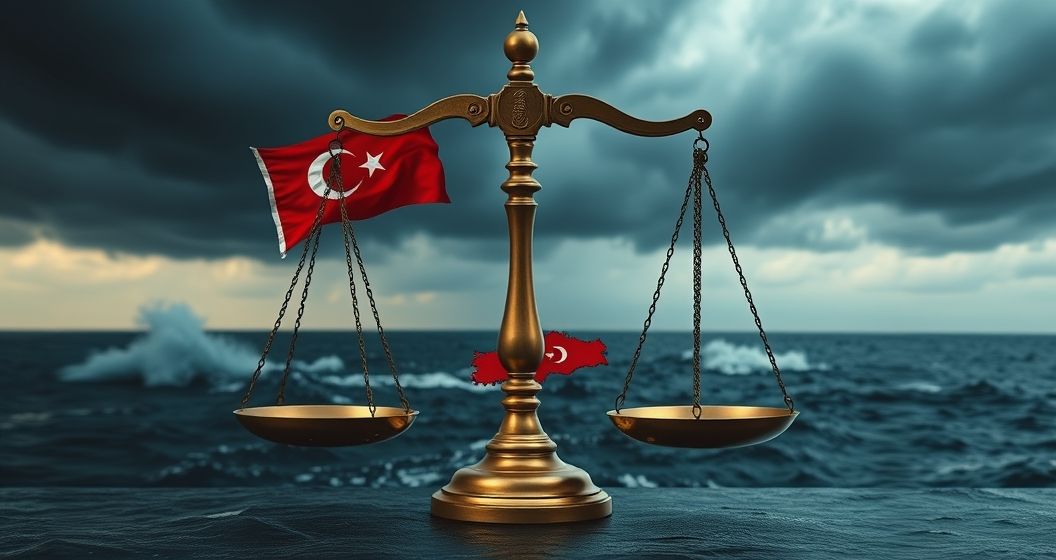
Turkey is currently navigating a period of significant economic and geopolitical developments. The nation is on the cusp of a critical decision from the Financial Action Task Force (FATF) regarding its status on the “grey list,” an outcome that could profoundly impact its economy. Simultaneously, the country is grappling with a tragic domestic disaster and engaging in delicate diplomacy amid escalating regional conflicts, highlighting a complex and challenging agenda for its leadership.
Anticipation Builds for Critical ‘Grey List’ Verdict
All eyes are on the upcoming FATF decision, which is widely expected to remove Turkey from its “grey list.” This list includes countries under increased monitoring for deficiencies in their systems to combat money laundering and terrorist financing. Being on the list since 2021 has posed challenges for attracting foreign investment and has increased the cost of international transactions for Turkish banks and businesses, casting a shadow over the economy.
The government, under the leadership of Finance Minister Mehmet Şimşek, has implemented a series of comprehensive legal and regulatory reforms to align with international standards. These efforts have focused on enhancing transparency and strengthening enforcement mechanisms. A positive decision from the FATF plenary in Singapore would be seen as a major victory for Turkey’s new economic program, potentially boosting investor confidence and signaling a return to more orthodox financial policies.
Domestic Tragedy and a Call for Accountability
While economic news dominates the headlines, a devastating wildfire has brought tragedy to the southeastern provinces of Diyarbakır and Mardin. The fire, which spread rapidly across agricultural lands between the districts of Çınar and Mazıdağı, has resulted in multiple fatalities, numerous injuries, and the loss of thousands of animals. The blaze has also destroyed vast areas of cultivated land, dealing a severe blow to the local agricultural economy and the livelihoods of many families in the region.
In response, authorities have launched a full-scale investigation into the cause of the fire. While initial reports suggested an electrical fault from transmission lines may have been the trigger, public debate and calls for accountability are growing. Government officials have pledged support for the affected citizens, but the incident has underscored concerns about infrastructure maintenance and disaster preparedness in rural areas, prompting a wider conversation about preventative measures.
Navigating Tense Diplomatic Waters
On the foreign policy front, Turkey is closely monitoring and actively responding to the escalating tensions between Israel and Lebanon. As cross-border fire intensifies and fears of a full-scale war grow, Ankara has stepped up its diplomatic efforts to promote de-escalation. Turkish officials have repeatedly called for restraint from all parties, warning that a wider conflict would have catastrophic consequences for the entire Middle East region.
President Recep Tayyip Erdoğan has been vocal in his criticism of what he describes as aggressive Western-backed policies, urging regional countries to work together to find a diplomatic solution. Turkey is leveraging its position as a key regional actor to mediate and encourage dialogue, emphasizing the urgent need for a ceasefire and a sustainable peace plan to ensure long-term stability.
In conclusion, Turkey faces a multifaceted landscape where a crucial economic verdict, a heartbreaking domestic crisis, and volatile regional dynamics intersect. The outcomes of these events in the coming days will be pivotal in shaping the nation’s economic trajectory, internal social cohesion, and its role as a diplomatic power in a turbulent region.


