
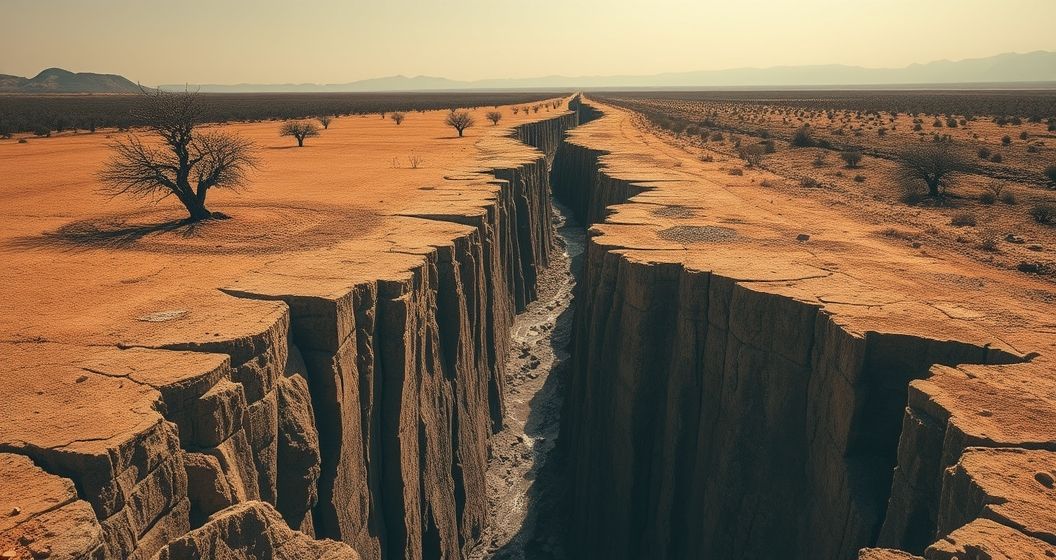
Spain is currently navigating a complex landscape marked by urgent environmental challenges and significant political debates. The government is rolling out emergency measures to combat one of the most severe droughts in recent history, while simultaneously managing a deeply divisive political agenda in parliament. These issues are shaping the nation’s immediate future, impacting everything from agriculture to economic stability and social cohesion.
Addressing the Critical Water Shortage
The escalating water crisis, particularly in regions like Catalonia and Andalusia, has become a top national priority. With reservoirs at critically low levels, authorities have implemented stringent water restrictions affecting millions of citizens and key economic sectors. The government’s response includes a multi-billion euro investment package aimed at improving water infrastructure, such as building new desalination plants and modernizing irrigation systems to reduce waste.
Farmers are among the hardest hit by the drought, facing crop failures and significant financial losses. Agricultural organizations are demanding more direct support and long-term solutions to ensure the viability of the sector. The emergency measures include financial aid for affected farmers and a push towards more resilient, less water-intensive crops. This environmental challenge highlights the urgent need for sustainable water management policies across the country.
Political Tensions Dominate the Agenda
In the political arena, intense negotiations and debates continue to dominate parliamentary proceedings. A key point of contention is the proposed amnesty law, which has created deep divisions not only between the ruling coalition and opposition parties but also within the broader society. The legislation’s path through parliament is proving to be complex, with ongoing discussions to secure the necessary support for its final approval.
This political friction is a critical test for the stability of the current government. Opposition parties have been vocal in their criticism, arguing the proposed measures undermine the rule of law. Meanwhile, the government maintains that these steps are necessary for resolving long-standing territorial conflicts and promoting reconciliation. The outcome of these debates will have a lasting impact on Spain’s political landscape.
Economic Outlook Remains a Mixed Picture
Amid these challenges, Spain’s economic outlook presents a mix of concerns and positive indicators. The drought poses a direct threat to the agricultural sector, which could lead to increased food prices and impact exports. This adds pressure to inflation concerns that the European Central Bank is closely monitoring. The government is working on measures to mitigate the economic fallout and support the affected industries.
On a brighter note, the tourism sector is showing strong signs of recovery and is projected to have a robust season. Increased visitor numbers are expected to boost revenue for hotels, restaurants, and related businesses, providing a vital lift to the national economy. This resilience in tourism offers a counterbalance to the challenges faced in other sectors, demonstrating the diverse nature of Spain’s economic engine.