
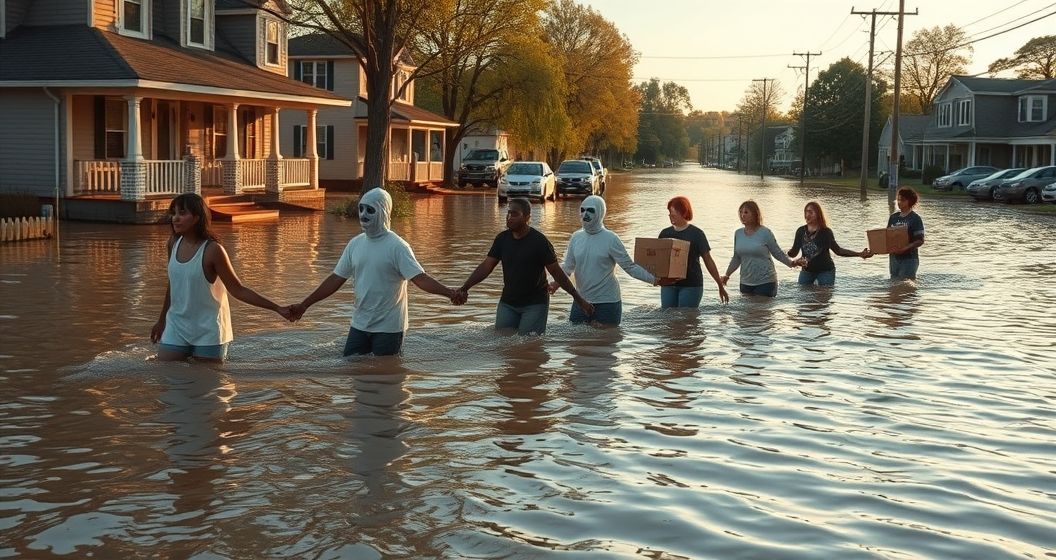
Brazil is facing one of its most significant climate-related challenges as recovery efforts intensify in the southern state of Rio Grande do Sul. Following unprecedented flooding that submerged entire cities, the nation has mobilized a massive response to address the humanitarian and economic fallout. The focus has now shifted from rescue operations to providing long-term support for the hundreds of thousands of people displaced by the disaster and rebuilding critical infrastructure that was completely destroyed.
The Scale of the Humanitarian Crisis
The floods have created a severe humanitarian crisis, with official figures confirming a significant number of fatalities and a large population of displaced individuals. Many families have lost their homes, belongings, and livelihoods, now relying on temporary shelters and donations. Access to clean water, food, and medical supplies remains a critical concern in numerous affected municipalities, as damaged roads and bridges continue to complicate logistics for aid workers and government agencies trying to reach isolated communities.
In response, a wave of national solidarity has emerged. Donation centers have been established across the country, collecting essential items from citizens and corporations alike. The outpouring of support highlights a collective effort to assist those in need, with volunteers from various states traveling to the region to help with rescue, cleanup, and the distribution of supplies. This ground-level mobilization has become a crucial pillar of the overall relief operation, complementing official government actions.
Government Response and Economic Measures
The federal government has announced a substantial financial aid package aimed at immediate relief and long-term reconstruction. The funds are designated for various purposes, including direct financial assistance to affected families, credit lines for small businesses, and resources for municipalities to rebuild public infrastructure such as schools, hospitals, and transportation networks. President Luiz Inácio Lula da Silva has emphasized that the reconstruction effort will be a national priority, promising to streamline bureaucratic processes to accelerate recovery.
The economic impact of the disaster is expected to be profound, as Rio Grande do Sul is a vital agricultural and industrial hub. The floods have devastated farmlands, impacting crop and livestock production, which could have ripple effects on national food prices and exports. Experts are still assessing the full extent of the damage, but the recovery is projected to be a lengthy and costly process, requiring sustained investment and strategic planning to restore the state’s economic stability.
A Long Road to Rebuilding
As the floodwaters slowly recede, the true scope of the devastation is becoming clearer, revealing a landscape of destroyed homes and businesses. The path to recovery for Rio Grande do Sul will be long and arduous, demanding a coordinated and sustained effort from all levels of government and civil society. The immediate challenge is ensuring the well-being of the displaced population, while the long-term goal involves not just rebuilding but also developing more resilient infrastructure to mitigate the impacts of future climate events.


