
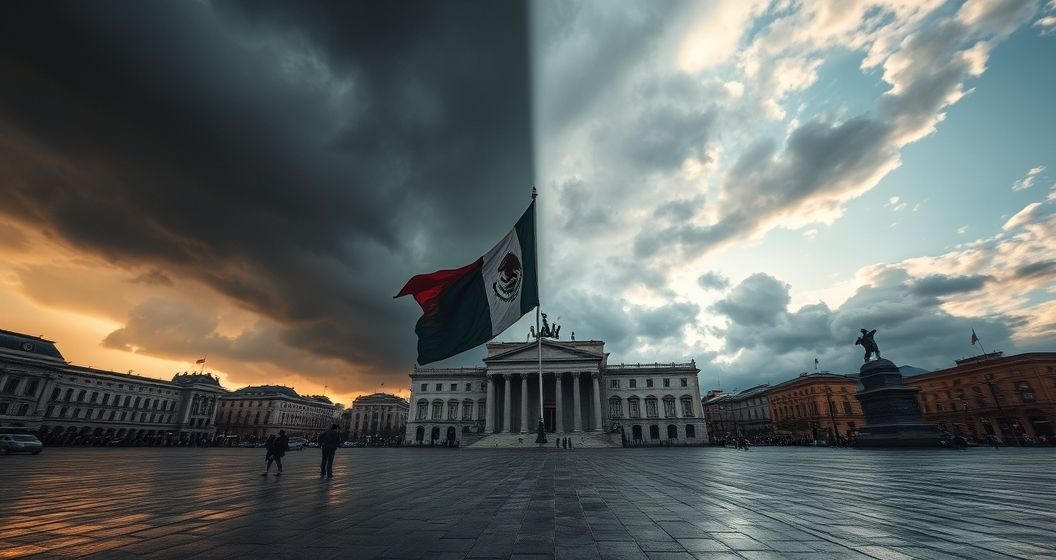
Mexico is currently navigating a period of significant challenge and change, marked by both a severe natural event and a pivotal political transition. As Tropical Storm Alberto makes its presence felt with destructive force in the northeast, the nation also watches closely as President-elect Claudia Sheinbaum begins to shape her incoming administration. These concurrent events are testing the country’s resilience and setting the stage for its future political and economic direction.
Tropical Storm Alberto Causes Widespread Disruption
The first named storm of the Atlantic hurricane season, Tropical Storm Alberto, has made landfall in northeastern Mexico, bringing torrential rains and severe flooding. The states of Tamaulipas, Veracruz, and Nuevo León have been particularly affected. The storm has tragically resulted in several fatalities, including children, highlighting the immediate danger posed to vulnerable communities. Authorities have been forced to suspend public transportation, close schools, and urge residents in high-risk areas to evacuate to temporary shelters.
Emergency response teams are actively working to mitigate the damage caused by overflowing rivers and widespread flooding. The storm’s impact serves as a stark reminder of the environmental challenges facing the region. While the rains are expected to alleviate severe drought conditions in some areas, the immediate focus remains on public safety and managing the destructive consequences of the storm. The government’s response in the coming days will be critical for the affected populations.
Sheinbaum Unveils First Cabinet Nominees
Amidst the natural crisis, Mexico’s political landscape is undergoing a crucial transformation. President-elect Claudia Sheinbaum has announced the first members of her cabinet, a move closely watched by both domestic and international observers. A key appointment is Marcelo Ebrard, a former foreign minister and presidential rival, who will lead the Economy Ministry. This selection is widely interpreted as an attempt to reassure markets and project an image of stability and experience.
Other notable appointments include Juan Ramón de la Fuente as foreign minister and Alicia Bárcena as the head of the environment and natural resources ministry. These initial choices suggest a focus on continuity and expertise, blending familiar faces from past administrations with new figures. The composition of the full cabinet will provide clearer insight into the policy priorities of the next government as it prepares to take office.
Judicial Reform Continues to Create Uncertainty
The cabinet announcements come at a time of economic volatility, largely driven by a controversial proposed reform to the judicial system. The initiative, which would allow for judges and Supreme Court justices to be elected by popular vote, has raised concerns among investors about the potential erosion of checks and balances. This uncertainty has contributed to a recent decline in the value of the Mexican peso and has put pressure on financial markets.
Sheinbaum’s administration faces the complex task of advancing its political agenda while simultaneously calming investor fears. The selection of a market-friendly figure like Ebrard for the economy post is a clear signal of this balancing act. The ongoing debate over the judicial reform will remain a central issue, defining the early challenges and priorities of the incoming government as it seeks to implement its vision for the country.
