
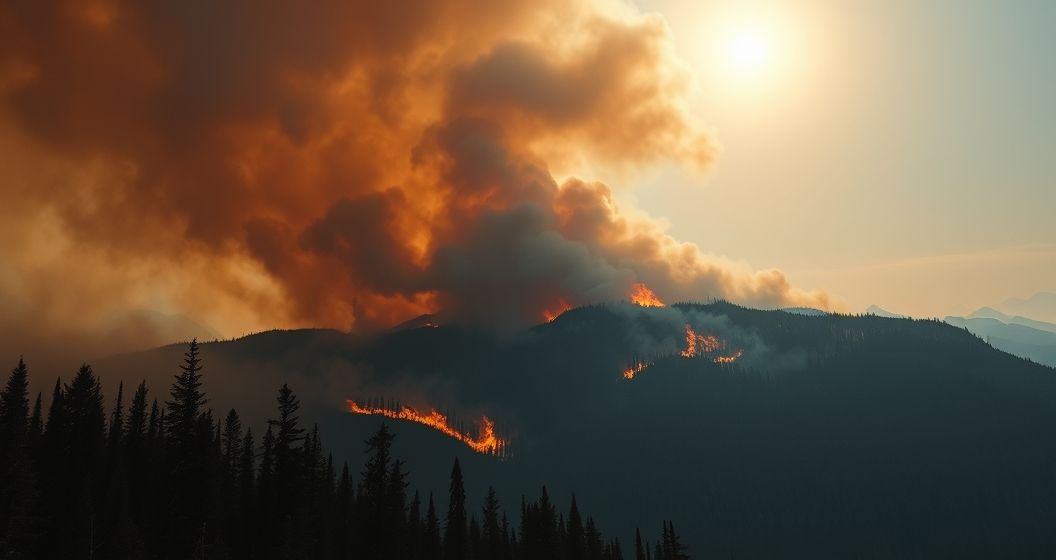
An intense and early start to the wildfire season is challenging communities across Western Canada, particularly in British Columbia and Alberta. Authorities have issued multiple evacuation orders and alerts as dozens of out-of-control blazes spread rapidly. The situation has prompted widespread air quality warnings and raised concerns about the long season ahead, putting emergency responders on high alert and forcing thousands from their homes.
State of Emergency and Evacuation Orders
In British Columbia, the situation has escalated quickly, leading to evacuation orders for several communities in the province’s northeast. The Parker Lake fire near Fort Nelson has been a primary concern, growing substantially and threatening critical infrastructure. Officials have described the fire behavior as extreme and unpredictable, fueled by strong winds and dry conditions, making containment efforts incredibly difficult for firefighting crews working around the clock.
Alberta is also facing a significant threat, with numerous active wildfires forcing thousands to flee their homes. The Regional Municipality of Wood Buffalo, which includes Fort McMurray, has been particularly affected, with residents facing mandatory evacuation orders. This brings back difficult memories of the devastating 2016 wildfire, and officials are urging all residents in affected zones to comply with instructions for their safety. Local states of emergency have been declared to facilitate a coordinated response.
Air Quality and Health Concerns
The smoke from these massive fires is not contained to the immediate vicinity. Plumes have traveled hundreds of kilometers, blanketing major cities like Edmonton and Calgary and extending into neighboring provinces. Environment Canada has issued widespread special air quality statements, warning of high concentrations of fine particulate matter. This poses a significant health risk, especially for children, seniors, and individuals with pre-existing respiratory conditions like asthma.
Health authorities are advising residents in affected areas to stay indoors as much as possible, keep windows and doors closed, and use air purifiers with HEPA filters if available. Poor air quality can cause symptoms such as coughing, throat irritation, headaches, and shortness of breath. The long-term health implications of prolonged exposure to wildfire smoke remain a growing area of concern for public health experts across the country.
A Trend Linked to Climate Change
Experts suggest this aggressive start to the fire season aligns with long-term climate projections. A combination of a low winter snowpack, ongoing drought conditions, and unseasonably warm temperatures has created a volatile environment ripe for wildfires. This pattern of longer, more intense fire seasons is becoming the new normal, challenging traditional firefighting strategies and straining provincial and federal resources.
Federal and provincial governments are being called upon to invest more in proactive measures, including advanced forest management and community preparedness programs known as FireSmart initiatives. The focus is shifting from solely reactive firefighting to a more holistic approach that addresses the root causes of increased fire risk. This includes creating more fire-resilient landscapes and educating the public on how to protect their properties.
As Western Canada braces for a potentially long and difficult summer, the immediate priority remains protecting lives and property. The early onset of these powerful wildfires serves as a stark reminder of the increasing environmental challenges facing the country and the critical need for coordinated emergency response and long-term climate adaptation strategies.

