
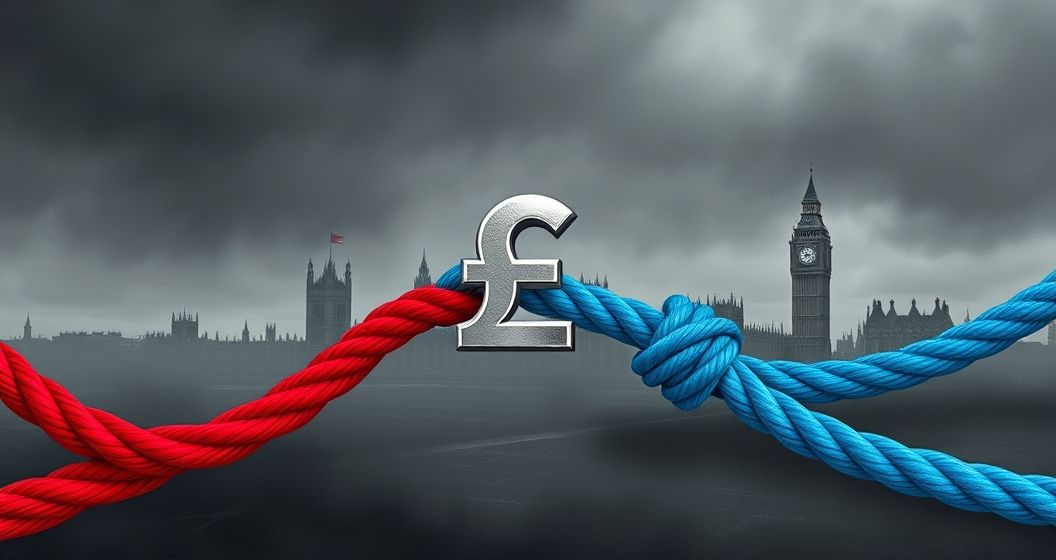
The UK general election campaign has entered a critical phase, with major political parties intensifying their efforts to win over undecided voters. Recent televised debates have highlighted stark divisions on key issues, primarily focusing on economic strategy and the future of public services. These policy battlegrounds are now at the very heart of the national conversation as the polling day approaches.
Tense Exchanges Dominate Latest Debates
Recent televised events have seen sharp exchanges between the leaders of the main parties, particularly between Prime Minister Rishi Sunak and Labour leader Keir Starmer. Discussions have frequently centred on the credibility of each party’s financial plans. The Conservatives have repeatedly challenged Labour on the potential for tax rises, while Labour has criticised the government’s economic record and the impact of its policies on household finances. These debates serve as a crucial platform for leaders to present their case directly to the electorate.
Contrasting Visions for the UK Economy
Economic policy remains the most significant dividing line in the campaign. Each party is presenting a distinct vision for managing the nation’s finances and fostering growth, with taxation and spending at the core of their proposals.
Conservative Pledges on Taxation
The Conservative Party has placed tax cuts at the forefront of its economic agenda. Their manifesto includes promises to reduce National Insurance further, aiming to ease the financial burden on working people. The party argues that lower taxes stimulate economic activity and reward hard work. They have positioned themselves as the party of fiscal responsibility, warning that their opponents’ plans would lead to higher taxes for ordinary families.
Labour’s Focus on Economic Stability
In contrast, the Labour Party is campaigning on a platform of economic stability and targeted investment. Their core pledge is to not raise income tax, National Insurance, or VAT. Instead, they propose funding public service improvements through closing tax loopholes and implementing taxes on non-domiciled individuals and private schools. Their message is one of rebuilding the economy through a long-term industrial strategy and creating wealth across the country.
The National Health Service at the Forefront
The future of the National Health Service (NHS) is another critical issue dominating the election discourse. With waiting lists at record highs, both major parties are promising significant action. Labour has pledged to cut waiting times by funding an additional 40,000 appointments each week, paid for by cracking down on tax avoidance. The Conservatives have committed to increasing NHS spending above inflation every year and delivering their long-term workforce plan to recruit more doctors and nurses.
Voter Reaction and Polling Trends
While national polls continue to show a significant lead for one party, a large number of voters remain undecided. The focus for all parties in the remaining time is to convince these floating voters. Issues like the cost of living, the state of public services, and trust in politicians are proving to be decisive factors. The performance of party leaders in debates and interviews is being closely scrutinised as the public weighs its options for the future direction of the country.
