
Germany’s government is rolling out a comprehensive strategic plan aimed at revitalizing its struggling industrial sector and stimulating economic growth. As Europe’s largest economy faces headwinds from high energy costs, slowing global demand, and intense international competition, policymakers in Berlin are taking decisive action. The new initiative is designed to bolster key industries, encourage investment, and ensure the country’s long-term competitiveness on the global stage, marking a pivotal moment for its economic future.
The Core of the Economic Challenge
The German economy, historically an industrial powerhouse, has been grappling with several significant pressures. Persistently high energy prices following shifts in the global energy market have squeezed profit margins for manufacturers. Furthermore, a slowdown in key export markets, particularly in Asia, has reduced demand for German goods. Business leaders have also pointed to extensive bureaucracy and regulatory burdens as factors that stifle innovation and slow down investment, creating a challenging environment for growth.
These factors have contributed to a period of economic stagnation, with industrial production figures showing signs of weakness. Concerns about “de-industrialization,” where companies might move production to cheaper locations abroad, have become a prominent topic of debate. The government’s new strategy directly addresses these fears by aiming to create a more attractive and resilient business environment within Germany.
Berlin’s Strategic Response to the Downturn
The government’s plan is multifaceted, focusing on both immediate relief and long-term structural improvements. A central component involves providing targeted tax relief and financial incentives for companies that invest in modernization, research, and development. The goal is to lower the operational costs for businesses, particularly for small and medium-sized enterprises (SMEs) that form the backbone of the German economy. This stimulus is expected to unlock private capital and drive innovation.
Another key pillar of the strategy is the acceleration of infrastructure projects and the simplification of approval processes. By cutting red tape, Berlin hopes to speed up the construction of everything from new energy grids to digital networks, making it easier and faster for companies to expand their operations and adopt new technologies. This push is seen as essential for improving the country’s overall productivity.
A Focus on Green Transition and Innovation
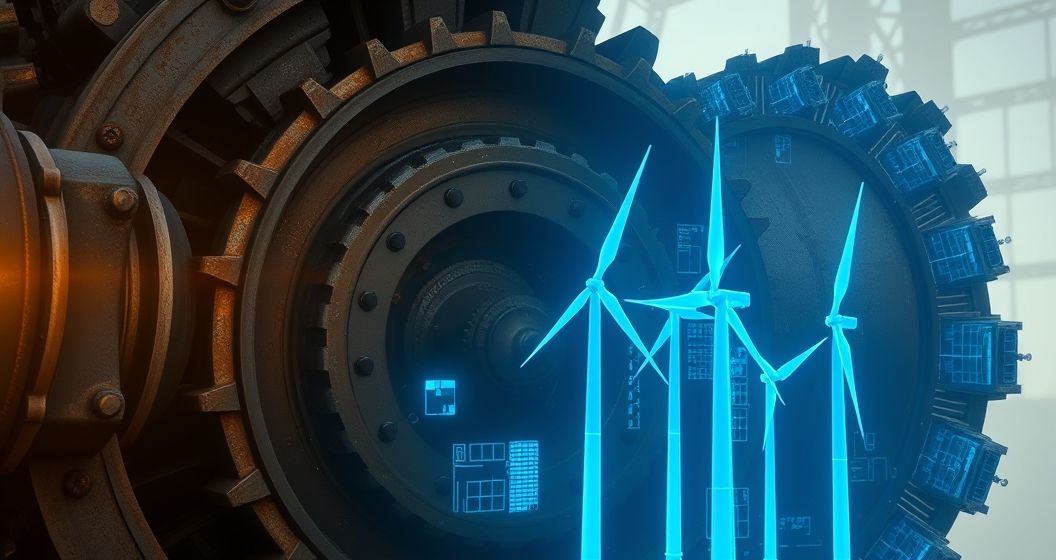
A significant portion of the new investment is earmarked for the green transition. The plan heavily promotes the development of renewable energy sources, such as hydrogen technology and offshore wind power. By supporting industries in their shift away from fossil fuels, the government aims not only to meet its climate targets but also to create new, sustainable jobs and establish Germany as a leader in green technology, a rapidly growing global market.
Industry Reaction and Future Outlook
The response from industry associations and business leaders has been cautiously optimistic. While many welcome the government’s recognition of the serious challenges they face, they also emphasize that the success of the plan will depend on its swift and effective implementation. There is a strong call for the proposed measures to be enacted without delay to provide immediate support and restore confidence in the market. The long-term outlook will hinge on whether these policies can truly lower energy costs and foster a pro-investment climate.
In conclusion, Germany stands at an economic crossroads. The government’s new industrial strategy represents a determined effort to navigate current challenges and chart a course toward renewed prosperity. By combining financial stimulus, regulatory reform, and a strong focus on sustainable innovation, Berlin is betting on a future where German industry remains a powerful and competitive force in the global economy.


