
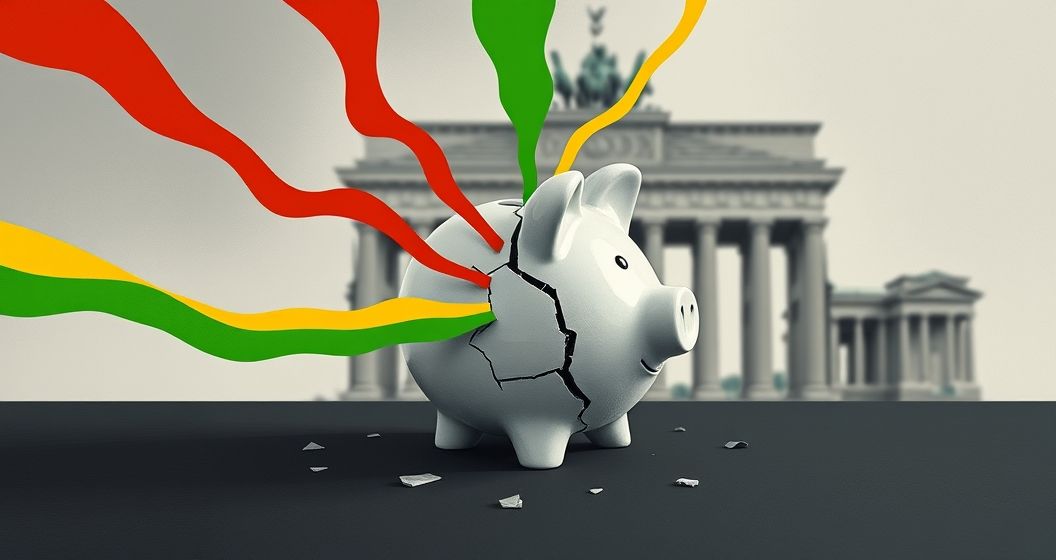
Germany’s ruling coalition is facing a period of intense internal strain as it navigates challenging budget negotiations for the upcoming fiscal year. The government, a three-party alliance of the Social Democrats (SPD), the Greens, and the Free Democrats (FDP), is struggling to reconcile differing priorities amid a backdrop of economic stagnation and rising security demands. The central conflict revolves around balancing fiscal discipline with essential investments in social welfare, climate protection, and defence.
Clashing Ideologies at the Forefront
The core of the dispute lies in the fundamental ideological differences between the coalition partners. Finance Minister Christian Lindner of the pro-business FDP is adamant about reinstating Germany’s constitutional “debt brake,” which limits new government borrowing. He is pushing for significant spending cuts across various ministries to ensure fiscal consolidation. This position puts him in direct opposition to his SPD and Green colleagues, who argue that austerity would harm the economy and jeopardize crucial social and environmental projects.
The Greens are particularly focused on maintaining funding for the green transition, while the SPD, led by Chancellor Olaf Scholz, is committed to protecting social security programs. These conflicting visions have led to a deadlock, with ministers publicly defending their respective budgets and resisting Lindner’s proposed cuts. The negotiations have become a critical test of the coalition’s ability to govern effectively under pressure.
Economic Headwinds Complicate Matters
The political infighting is exacerbated by Germany’s precarious economic situation. The country’s economy has been underperforming, with leading economic institutes revising growth forecasts downwards. Factors such as high energy costs, sluggish global demand, and persistent inflation are placing a heavy burden on both industries and households. This economic weakness reduces tax revenues, further shrinking the available funds and intensifying the debate over how to allocate limited resources.
Experts warn that deep spending cuts could trigger a negative cycle, stifling domestic demand and hindering a much-needed economic recovery. Conversely, failing to adhere to fiscal rules could damage investor confidence. This dilemma puts Chancellor Scholz in a difficult position as he attempts to mediate a compromise that can support the economy without alienating his fiscally conservative coalition partners.
Defence Spending Adds Another Layer of Complexity
An additional point of contention is the defence budget. Following Russia’s invasion of Ukraine, Germany established a €100 billion special fund to modernize its armed forces, the Bundeswehr. However, this fund is being depleted, and there is a pressing need to increase the regular defence budget to meet NATO’s 2% of GDP spending target. Finding billions in additional funding for defence while other departments are being asked to cut back has proven to be a major hurdle in the ongoing talks.
The Path Forward Remains Uncertain
As the deadline for the budget draft approaches, the pressure on Chancellor Scholz to forge a consensus is mounting. The outcome of these negotiations will not only determine Germany’s fiscal policy but also serve as a crucial indicator of the coalition’s stability and long-term viability. Finding a middle ground that all three parties can accept is essential to restoring public confidence and navigating the country through its current economic and geopolitical challenges. The next few weeks will be decisive for the future of the government.
