
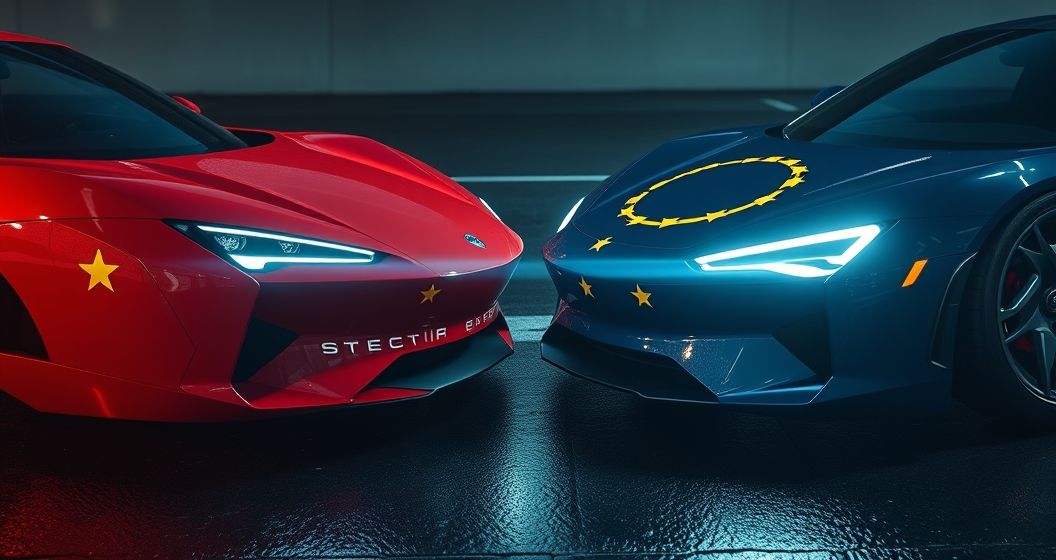
Tensions between China and the European Union are escalating over a potential trade conflict centered on the electric vehicle (EV) industry. Beijing has issued strong warnings that it is prepared to take countermeasures if the EU proceeds with imposing tariffs on Chinese-made EVs. This development threatens to disrupt a critical trade relationship and could have far-reaching consequences for the global automotive market and supply chains.
EU’s Anti-Subsidy Investigation Sparks Friction
The core of the dispute lies in an anti-subsidy investigation launched by the European Commission. The probe aims to determine whether Chinese EV manufacturers benefit from unfair state subsidies, allowing them to sell vehicles in Europe at artificially low prices. European officials argue that this practice undermines fair competition and poses a threat to the continent’s domestic automakers, who are struggling to compete with the influx of more affordable Chinese models.
Beijing Denounces Protectionism
China’s Ministry of Commerce has vehemently rejected the EU’s allegations, labeling the investigation as a “blatant act of protectionism.” Officials in Beijing contend that the competitive advantage of the Chinese EV industry stems from innovation, complete supply chains, and robust market competition, not from government subsidies. They argue that the EU’s actions will not only harm the legitimate rights of Chinese companies but also disrupt the stability of the global automotive supply chain.
Potential Countermeasures on the Horizon
While Beijing has not officially detailed its retaliatory strategy, it has signaled a firm resolve to protect its interests. Analysts suggest that potential countermeasures could target key European export sectors. This may include imposing tariffs on European-made automobiles, particularly luxury vehicles, as well as agricultural products like wine and dairy. Such a move would represent a significant escalation, turning the sector-specific dispute into a broader trade conflict impacting multiple industries across Europe.
Broader Implications for Global Trade
This escalating trade friction extends beyond the automotive industry. It highlights the growing strategic competition between China and Western nations in key technological and green energy sectors. A full-blown tariff war could lead to increased costs for consumers, disrupt investment flows, and slow down the global transition to electric mobility. The outcome of this dispute will serve as a critical indicator for the future of China-EU economic relations and global trade norms.
A Critical Juncture in a Key Partnership
The situation remains at a critical point as both sides await the conclusion of the EU’s investigation. Diplomatic channels are still open, but the rhetoric from both Beijing and Brussels has hardened. The final decision from the European Commission and China’s subsequent reaction will not only define the future of the EV market but also set the tone for the broader economic partnership between two of the world’s largest trading blocs for years to come.