
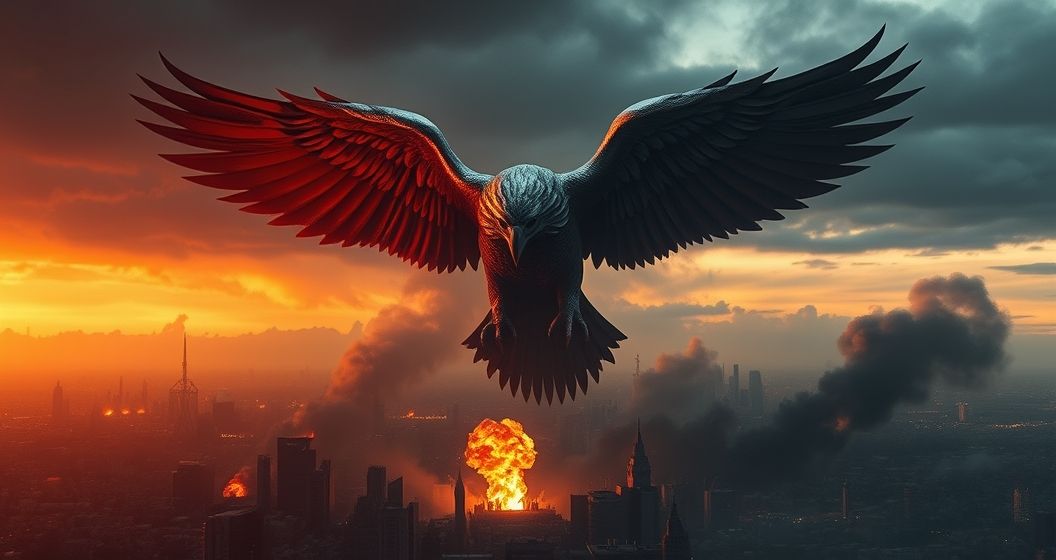
Recent developments indicate Russia is intensifying its military campaign in Ukraine, with a particular focus on crippling the nation’s energy infrastructure. At the same time, the Kremlin is pushing forward with stricter domestic policies aimed at consolidating control and silencing dissent. This dual strategy of external aggression and internal reinforcement highlights a calculated effort to sustain its long-term objectives amid ongoing international pressure and the high costs of the prolonged conflict.
Strategic Strikes on Energy Infrastructure
Russia has significantly ramped up its missile and drone attacks on Ukraine’s power generation facilities and electrical grids. Major cities, including Kharkiv, have faced extensive blackouts following targeted strikes that appear designed to overwhelm air defenses and inflict maximum damage. Military analysts suggest this strategy aims not only to disrupt civilian life and morale but also to degrade Ukraine’s ability to power its defense industries and military operations, creating severe logistical challenges ahead of potential new ground offensives.
The renewed focus on energy targets is a tactical shift intended to exploit Ukraine’s vulnerabilities. By systematically destroying power plants and substations, Moscow seeks to create conditions that make parts of the country uninhabitable and force Kyiv to divert precious resources toward repairs and defense. This war of attrition against critical infrastructure puts immense strain on Ukraine’s government and its international partners, who must now balance military aid with urgent humanitarian and economic support.
Kremlin Tightens Domestic Controls
On the home front, the Russian government continues to strengthen its legislative framework to suppress any form of opposition to its military actions. New laws are being considered that would allow for the confiscation of property from individuals convicted of “discrediting” the armed forces or spreading what authorities deem to be false information. These measures represent a significant expansion of state power, creating a powerful deterrent against public criticism and further shrinking the space for free expression.
This legal crackdown is part of a broader effort to maintain societal cohesion and ensure unwavering support for the war effort. By framing dissent as a threat to national security, the Kremlin aims to isolate and punish critics while projecting an image of unity to both domestic and international audiences. The move also serves a practical purpose, potentially allowing the state to seize assets to help fund its extensive military expenditures.
Economic Adaptation and Diplomatic Posturing
Despite facing extensive Western sanctions, Russia’s economy has shown resilience by fully transitioning to a war footing. Increased state spending on military production has fueled industrial growth, while redirected trade flows toward Asia and the Middle East have helped mitigate the impact of lost European markets. This economic adaptation allows Moscow to sustain its military campaign, although long-term challenges such as technological isolation and labor shortages remain significant concerns for its economic stability.
In conclusion, Russia’s current strategy is multifaceted, combining relentless military pressure on Ukraine with an uncompromising approach to domestic control. The systematic targeting of energy infrastructure is designed to weaken Ukraine’s resolve and operational capacity, while new repressive laws ensure the home front remains firmly under government authority. This comprehensive approach underscores Moscow’s determination to achieve its strategic goals through sustained force and internal consolidation.