
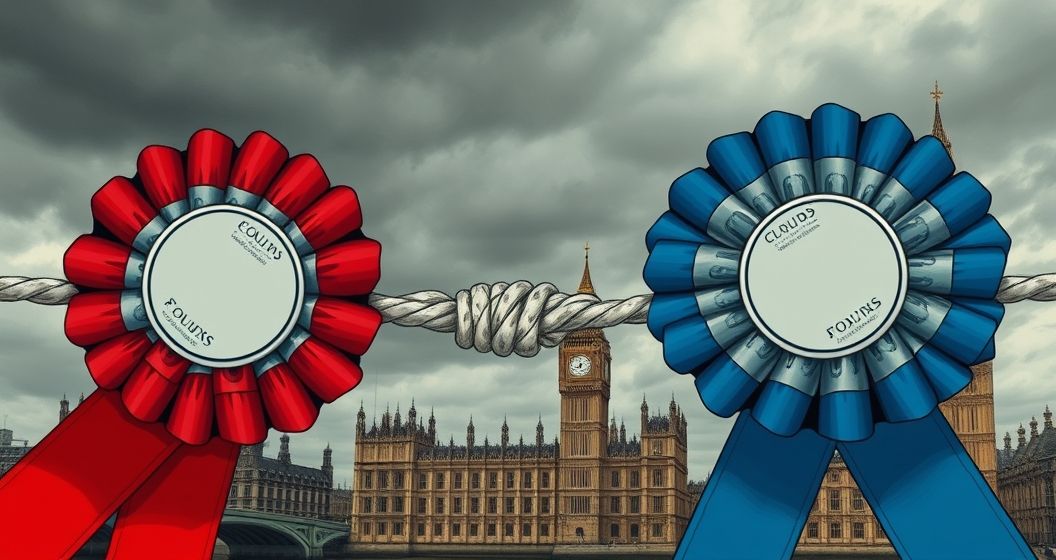
The United Kingdom’s major political parties are locked in a fierce debate over the nation’s economic future, presenting voters with starkly different strategies for growth, taxation, and public spending. As the general election campaign intensifies, the economy has emerged as the central battleground, with each party attempting to convince the public that its plan offers the most viable path to prosperity and stability. The discourse is heavily focused on how to manage government finances while addressing the cost of living crisis.
Competing Visions for the UK Economy
The Conservative Party is campaigning on a platform of fiscal discipline and tax reduction, arguing that lowering the tax burden on working people and businesses is the primary driver of economic growth. Their proposals centre on further cuts to National Insurance, positioning themselves as the party of lower taxation. They contend that this approach encourages investment, creates jobs, and ultimately strengthens the economy, allowing for the continued funding of public services through sustainable growth rather than increased borrowing or taxes.
In contrast, the Labour Party is emphasising stability and targeted investment as its core economic message. Labour leaders argue that a period of security is needed to restore confidence after recent economic turbulence. Their strategy involves freezing key personal taxes while raising funds through measures aimed at corporations and non-domiciled individuals. This revenue, they claim, will be used to invest in public services like the NHS and education, driving growth from the ground up by improving the country’s infrastructure and workforce skills.
The Debate Over Taxation and Spending
A significant point of contention revolves around the credibility of each party’s spending plans and tax commitments. The Conservatives have accused Labour of having unfunded spending commitments that would ultimately lead to tax rises for working families, a claim Labour vehemently denies. Party spokespeople insist their plans are fully costed and that they have no intention of increasing income tax, National Insurance, or VAT. This has led to a tense back-and-forth over the details of their respective manifestos.
Scrutiny from Economic Analysts
Independent economic analysts and think tanks have been closely examining the pledges from all sides. While avoiding political endorsement, many have raised questions about the long-term sustainability of proposed tax cuts without corresponding spending reductions. There is a broad consensus that whichever party forms the next government will face significant fiscal challenges, including high national debt and pressure on public services, limiting their room for manoeuvre on major economic decisions.
Impact on Voters and Businesses
For voters, the debate translates into critical questions about their household finances and the quality of public services. The choice lies between a promise of immediate tax relief and a pledge for long-term investment in national infrastructure. The business community is also watching closely, seeking clarity and stability. Business leaders are looking for a clear long-term industrial strategy and a predictable tax environment to encourage investment and planning for the future, regardless of the election’s outcome.
As the campaign continues, the focus on economic credibility will only sharpen. Both main parties are working to persuade the electorate that their vision is not only desirable but also deliverable, with the final decision resting with voters at the ballot box.
