
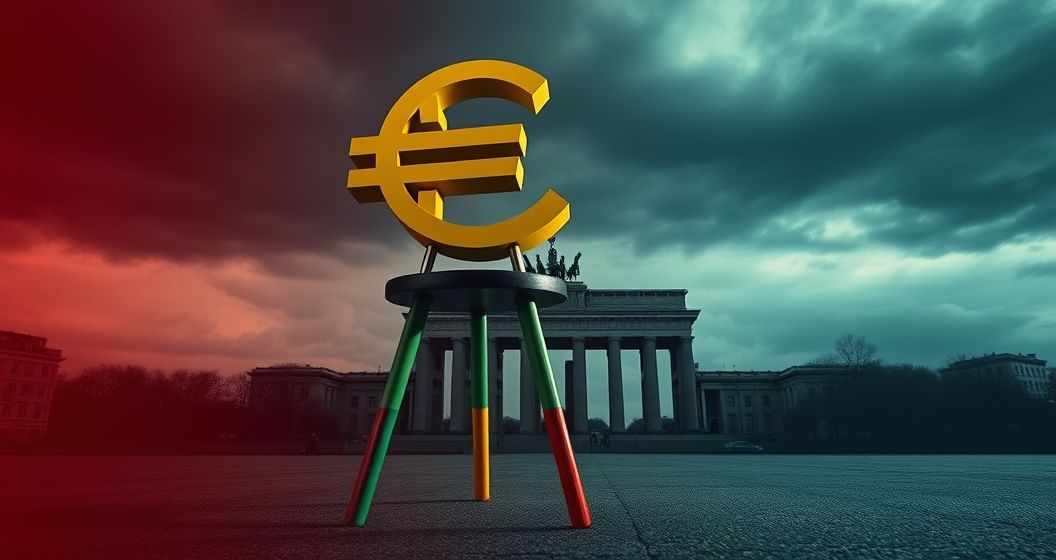
Germany’s ruling “traffic light” coalition is facing one of its most severe tests as intense negotiations over the 2025 federal budget continue. The government, a partnership between Chancellor Olaf Scholz’s Social Democrats (SPD), the Greens, and the Free Democrats (FDP), is deeply divided over fiscal policy. The core of the conflict lies in bridging a multi-billion-euro gap in the budget, pitting demands for public investment against calls for strict austerity, threatening the stability of the alliance.
Clashing Ideologies at the Forefront
At the heart of the dispute are the conflicting financial philosophies of the coalition partners. Finance Minister Christian Lindner of the pro-business FDP is adamant about reinstating Germany’s constitutional debt brake, which limits new government borrowing. He argues for significant spending cuts across ministries, emphasizing fiscal discipline as essential for economic stability. This position directly clashes with the priorities of his coalition partners, who advocate for increased spending on key policy areas.
Conversely, the SPD and the Greens are pushing for greater investment in social welfare, climate protection initiatives, and military modernization. Vice-Chancellor Robert Habeck (Greens) and other leading figures from both parties warn that severe austerity measures could stifle economic growth, endanger social cohesion, and undermine Germany’s long-term green transition goals. This fundamental disagreement has led to a political stalemate, with marathon negotiations failing to produce a breakthrough.
Economic and Political Pressures Mount
The budget deadlock comes at a critical time for the German economy, which has been struggling with weak growth, high energy costs, and sluggish industrial output. Business leaders and economists have warned that prolonged political uncertainty could further damage investor confidence. Furthermore, the government is under pressure to increase its defense spending to meet NATO commitments, a costly endeavor that adds another layer of complexity to the budget talks.
The political stakes are exceptionally high. A failure to agree on a budget could trigger a government crisis, potentially leading to the collapse of the coalition. With all three parties suffering in recent polls and the far-right AfD gaining ground, the prospect of a new election is an outcome all mainstream parties are keen to avoid. This external pressure is forcing the leaders into round-the-clock discussions to find a workable compromise before key deadlines.
The Path to a Compromise
Chancellor Scholz is now personally leading the high-stakes negotiations, attempting to mediate between his Finance Minister and other cabinet members. A potential compromise could involve a mix of targeted spending cuts, the reallocation of existing funds, and a re-evaluation of certain tax subsidies. However, every proposed solution has been met with resistance from at least one of the coalition partners. The coming days will be crucial in determining whether the “traffic light” coalition can navigate this crisis or if its internal contradictions will prove insurmountable.