
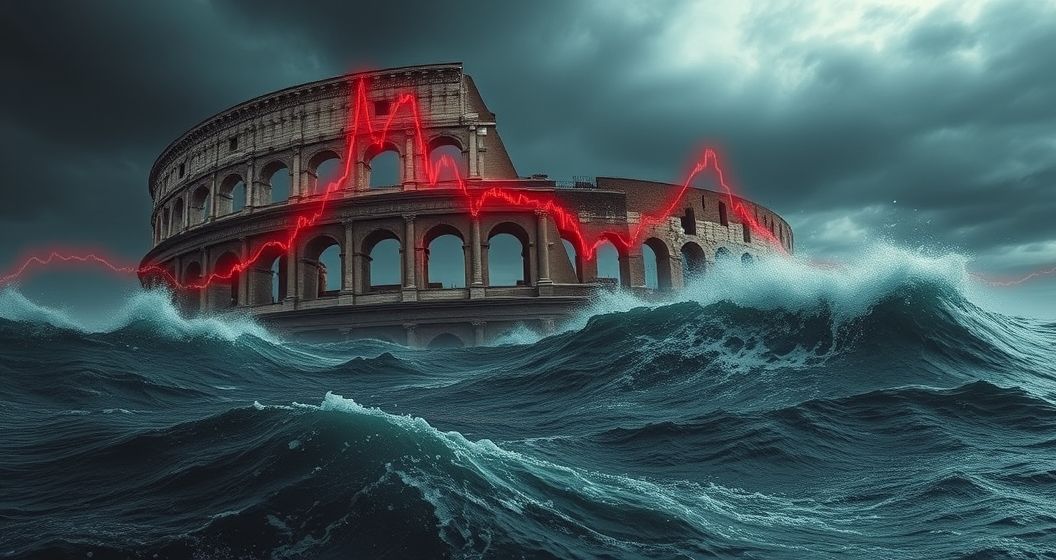
Italy takes center stage in international diplomacy as it hosts the G7 summit in Puglia, gathering world leaders to address pressing global issues. This significant event unfolds against a backdrop of domestic economic pressures and growing concerns over extreme weather events impacting the nation. The government is navigating a complex agenda, balancing its international responsibilities with urgent internal matters that affect citizens and key industries, from finance to tourism.
Global Leaders Convene in Puglia
The G7 summit, held in the scenic region of Puglia, positions Italy as a crucial mediator in global affairs. The primary agenda focuses on providing unwavering support for Ukraine, seeking pathways to peace in the Middle East, and establishing ethical guidelines for artificial intelligence. Prime Minister Giorgia Meloni is leading the discussions, aiming to foster consensus on financial aid for Kyiv and manage geopolitical tensions. The summit also addresses broader topics like economic security, climate change, and development in Africa.
Italy’s leadership during the summit is a platform to reinforce its strategic importance within the European Union and on the world stage. The discussions are expected to result in joint commitments on sanctions against Russia and collaborative efforts to mitigate global food and energy crises. The outcomes will highlight Italy’s diplomatic influence and its role in shaping international policy on critical security and technological challenges.
Economic Headwinds and Recovery Efforts
While the world’s eyes are on the G7, Italy continues to grapple with persistent economic challenges. The nation’s public debt remains a primary concern, prompting ongoing debates about fiscal sustainability and growth strategies. The government is focused on implementing the National Recovery and Resilience Plan (PNRR), utilizing EU funds to stimulate economic modernization, digitalization, and green transitions. However, bureaucratic hurdles and rising material costs have created obstacles to its swift execution.
Furthermore, inflation continues to affect household purchasing power, even as its pace slows. Policymakers are working to balance fiscal discipline with targeted support for families and businesses. The success of the PNRR is seen as vital for long-term growth, aiming to enhance infrastructure, boost competitiveness, and create new employment opportunities across the country. Economic stability is a key priority for ensuring social cohesion and future prosperity.
Domestic Pressures from Climate Events
Simultaneously, Italy is facing the immediate consequences of climate change, with severe heatwaves becoming more frequent and intense. Recent weather patterns have brought scorching temperatures to many parts of the country, raising public health alarms and putting a strain on essential services. These extreme conditions pose a significant threat to agriculture, with prolonged droughts impacting crop yields and water resources.
The tourism sector, a cornerstone of the Italian economy, is also vulnerable. While sunny weather is a draw, extreme heat can deter visitors and disrupt travel plans. This environmental pressure underscores the urgency of Italy’s climate adaptation strategies. The government is being called upon to invest in more resilient infrastructure and promote sustainable practices to protect both its population and its vital economic sectors from the escalating impacts of a changing climate.