
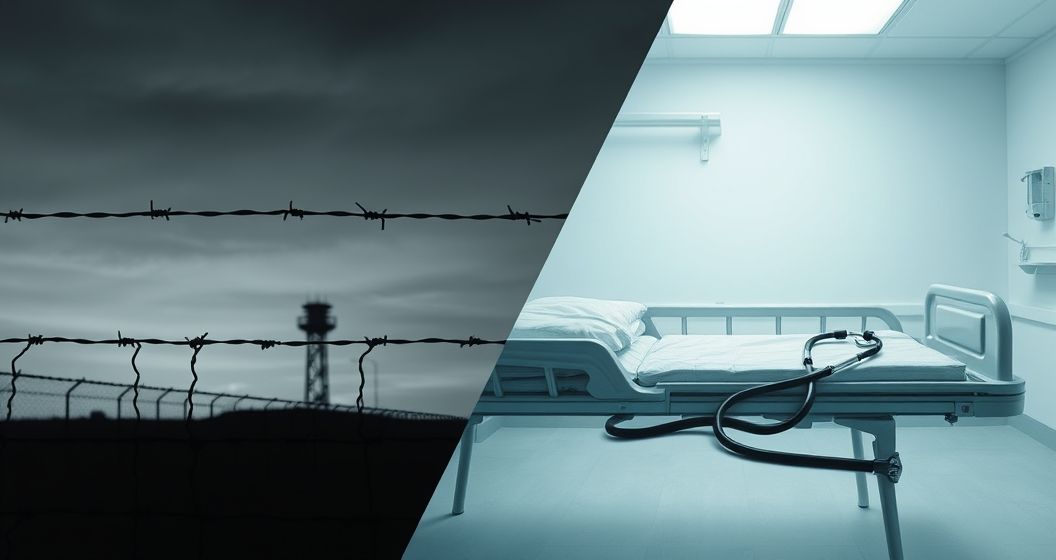
South Korea is currently navigating a period of heightened geopolitical and domestic challenges. Tensions with North Korea have escalated following recent border incidents, while a prolonged walkout by junior doctors continues to strain the nation’s healthcare system. These simultaneous pressures are testing the government’s ability to maintain stability on multiple fronts, demanding careful diplomatic and domestic policy management to address the growing concerns.
Heightened Tensions on the Korean Peninsula
The security situation on the Korean Peninsula remains tense after North Korean soldiers briefly crossed the Military Demarcation Line (MDL) before retreating when South Korean forces fired warning shots. This incident is the latest in a series of provocations from Pyongyang, which has also included launching trash-filled balloons across the border. The South Korean military has characterized the border crossing as unintentional but remains on high alert for any further escalations.
In response to the continued provocations, Seoul has been considering a full resumption of loudspeaker broadcasts into North Korea, a form of psychological warfare suspended under a previous inter-Korean agreement. Analysts suggest these moves indicate a fragile and unpredictable security environment, with both sides testing each other’s resolve. The military is closely monitoring North Korean troop movements and has reinforced its readiness posture along the heavily fortified border.
Domestic Challenges Mount with Medical Walkout
Internally, the government is grappling with a protracted stalemate with the medical community. Thousands of trainee doctors have been on strike for several months to protest a government plan to significantly increase medical school admission quotas. The government argues the reform is essential to address a doctor shortage, particularly in rural areas and essential specialties. However, protesting doctors claim the plan will not solve underlying issues and could compromise the quality of medical education and services.
Government’s Firm Stance
The administration has taken a hardline stance, issuing back-to-work orders and initiating procedures to suspend the medical licenses of doctors who refuse to comply. Despite these measures, the walkout has persisted, leading to significant disruptions in hospital operations. Senior doctors and medical professors have also shown support for the junior doctors, with some reducing their working hours in solidarity, further straining the healthcare system.
Impact on Healthcare Services
The ongoing labor action has forced major hospitals to cancel or postpone non-essential surgeries and treatments, placing a heavy burden on emergency services and remaining staff. Patients have faced increasing difficulties in accessing timely medical care, and public concern is growing. Negotiations between the government and doctors’ groups have so far failed to yield a breakthrough, leaving the future of the nation’s healthcare services in a state of uncertainty.
Navigating a Complex Future
As South Korea confronts these dual crises, the government’s leadership is under intense scrutiny. Balancing a firm security posture against North Korea while resolving the deep-seated domestic conflict with the medical community will be critical. The successful management of these issues will be vital for ensuring national security, social stability, and the well-being of the country’s citizens in the months ahead.


