
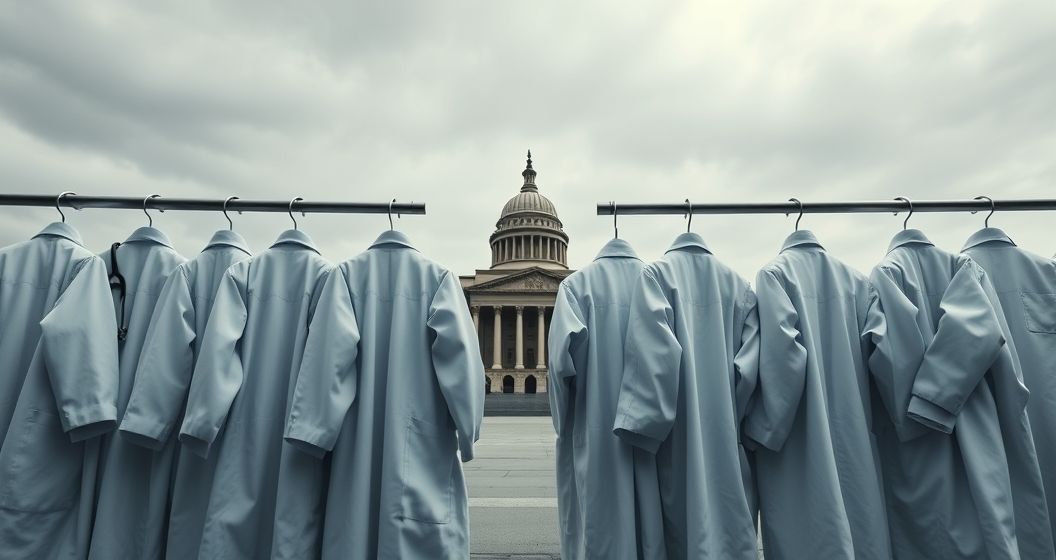
South Korea’s healthcare system is facing an unprecedented crisis as a prolonged standoff between the government and thousands of junior doctors deepens. The dispute, which has led to widespread walkouts, now sees the government initiating legal steps to suspend the medical licenses of striking physicians. This escalation marks a critical turning point in a conflict that threatens to paralyze essential medical services across the nation, leaving patients caught in the middle of a high-stakes confrontation.
The Heart of the Conflict: Medical School Quotas
The core of the dispute is the government’s plan to significantly increase the annual medical school admission quota by 2,000 students. Officials argue this reform is essential to address a looming doctor shortage, particularly in rural areas and critical fields like pediatrics and emergency medicine. They point to South Korea’s rapidly aging population as a key driver for needing more healthcare professionals to meet future demand and maintain the stability of the public health system.
However, the striking doctors and major medical associations strongly oppose the plan. They contend that simply increasing the number of physicians will not solve fundamental issues like underpayment in essential specialties and poor working conditions. They argue the government’s proposal will lead to a decline in the quality of medical education and service, ultimately failing to fix the geographic and specialty-based disparities it aims to correct. Instead, they call for improved compensation and legal protections.
Government Escalates with Punitive Measures
After weeks of walkouts and ignored deadlines to return to work, the government has moved from warnings to action. Authorities have begun sending official notices to striking trainee doctors, initiating the legal process for suspending their medical licenses for a minimum of three months. This punitive action is designed to pressure the physicians back into hospitals, which are struggling with staff shortages, cancelled surgeries, and overwhelmed emergency rooms. The government maintains a firm stance, stating the walkout is an illegal action that endangers public safety.
A Standoff with No Clear Resolution
Despite the threat of license suspension and potential legal charges, the junior doctors have shown little sign of backing down. The collective action remains strong, with senior doctors and medical professors also voicing their support and, in some cases, threatening to reduce their working hours in solidarity. This unwavering resistance has created a tense deadlock, with neither side willing to make significant concessions. The conflict has become a major test for the administration, which has framed the medical reform as a non-negotiable policy for the public good.
As the standoff continues, the impact on patients grows more severe. Reports of delayed treatments and difficulties accessing emergency care are becoming more common. The public, while initially sympathetic to the need for more doctors, is increasingly concerned about the immediate effects on the healthcare system. The path to a resolution remains unclear, with both the government and the medical community digging in for a protracted battle that could reshape South Korea’s healthcare landscape for years to come.