
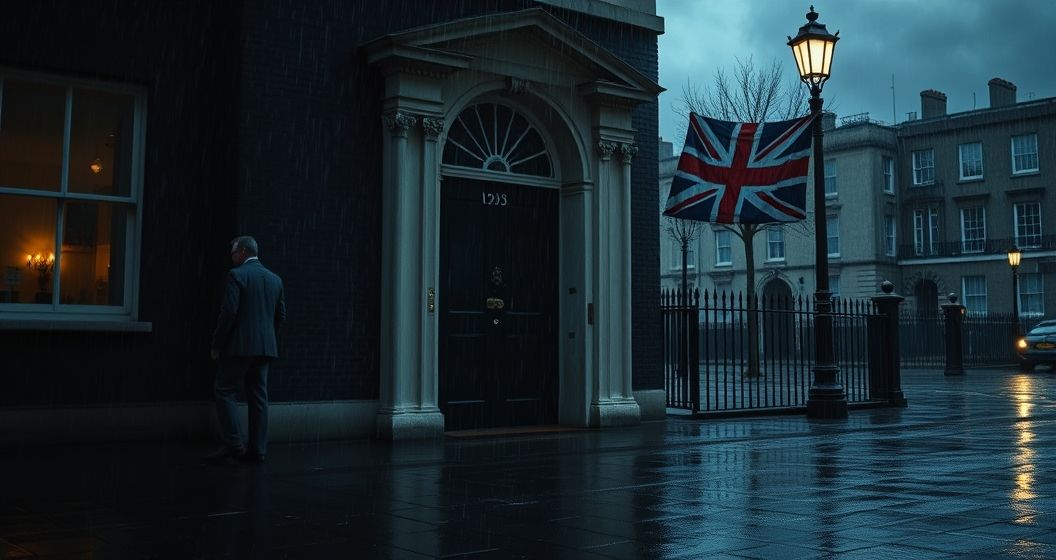
Prime Minister Rishi Sunak has officially called a general election for July 4th, a surprise move that puts an end to months of speculation about an autumn poll. The announcement, made outside 10 Downing Street, launches a six-week campaign period that will see political parties battle for control of the country. This decision sets the stage for a pivotal moment in the nation’s political landscape, with all major parties immediately shifting into full campaign mode.
A High-Stakes Political Gamble
The decision to hold a summer election is widely seen as a significant gamble for the Conservative Party, which is currently trailing the opposition Labour Party in opinion polls. By calling the election now, Mr. Sunak appears to be banking on recent positive economic news, such as falling inflation, to persuade voters that his plan is working. The move caught many political commentators and even some MPs by surprise, signalling a strategic choice to seize the initiative rather than wait.
The Prime Minister’s announcement emphasised themes of security and economic stability, framing the election as a clear choice between the Conservatives’ long-term plan and an uncertain future under Labour. The coming weeks will test whether this message resonates with an electorate grappling with the cost of living and concerns over public services. The campaign will be a critical test of leadership for all party heads.
Labour’s Response and Campaign Kick-off
The Labour Party, led by Keir Starmer, immediately responded to the announcement by launching its own campaign, centred on the single word: “Change.” Having been on an election footing for months, Labour aims to capitalise on its consistent lead in the polls. Mr. Starmer stated that the election provides the country with a long-awaited opportunity to end the “chaos” of recent years and begin a process of national renewal.
Labour’s campaign is expected to focus heavily on the state of the National Health Service (NHS), the cost of living crisis, and its plans for economic growth. The party will seek to present itself as a competent and stable government-in-waiting, ready to address the challenges facing the UK. The election battle is now officially underway, with both main parties preparing for an intense period of campaigning across the country.
Key Issues Shaping the Debate
As the campaign begins, several key issues are expected to dominate the national conversation and influence voter decisions. These topics will form the central battlegrounds where parties will attempt to win public support:
- The Economy: With inflation falling but the cost of living remaining high, strategies for managing the economy, taxation, and public spending will be under intense scrutiny.
- The NHS: Waiting lists, funding, and healthcare reform remain a top priority for voters, and all parties will be pressured to present credible plans for the health service.
- Immigration: Policies on both legal and illegal immigration, including the government’s Rwanda plan, will continue to be a highly contentious and pivotal issue.
- Housing and Environment: The availability of affordable housing and commitments to climate change targets will also feature prominently in party manifestos and debates.
The Path to Polling Day
With Parliament set to be dissolved shortly, the UK is now fully immersed in an election cycle. The six-week campaign will involve televised debates, local hustings, and a flurry of policy announcements as parties compete for every vote. The outcome of the July 4th poll will determine the direction of the country for the next parliamentary term, making this one of the most significant political events in recent years.