
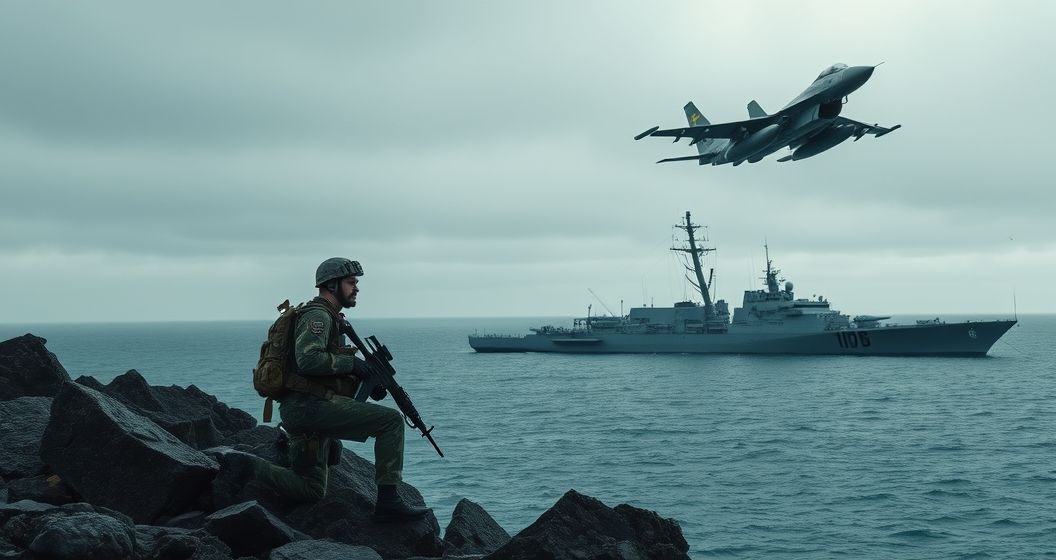
In response to a transformed security landscape, Sweden is moving forward with significant plans to bolster its military and civil defense capabilities. A recent report from the Supreme Commander of the Armed Forces, Micael Bydén, outlines a comprehensive strategy for reinforcement. This move reflects a strategic shift in national security policy, emphasizing readiness and resilience in the face of growing regional instability and the country’s new role within the NATO alliance.
A Call for Substantial Military Growth
The core of the new defense proposal involves a substantial expansion of the Swedish Armed Forces. The plan calls for an increase in both personnel and advanced military hardware. This includes expanding the army with more brigades, modernizing the navy’s fleet with new vessels, and enhancing the air force’s capabilities with next-generation aircraft and air defense systems. The focus is on creating a more robust and enduring force capable of defending Swedish territory and contributing to collective security efforts.
Furthermore, the recommendations highlight the urgent need to improve logistics and supply chains. Ensuring that military units can be sustained during a prolonged crisis is a key priority. This involves investing in infrastructure, stockpiling essential supplies, and developing secure communication networks. The goal is to build a military that is not only powerful but also highly resilient and able to operate effectively under challenging conditions for an extended period.
Strengthening Civil Defense and Societal Resilience
The strategy extends beyond the military, placing strong emphasis on strengthening Sweden’s “total defense” concept. This involves preparing the entire society for potential crises, including armed conflict. Key areas of focus include securing critical infrastructure such as power grids, transportation networks, and healthcare systems. The plan calls for closer collaboration between government agencies, municipalities, and private sector companies to ensure essential services can continue to function under duress.
Public preparedness is another critical component of the civil defense strategy. The government is expected to increase efforts to educate citizens on how to prepare for emergencies, including guidance on securing food, water, and shelter. This whole-of-society approach aims to build national resilience, ensuring that the country can withstand and recover from a wide range of potential threats, reinforcing the idea that national security is a shared responsibility.
Economic and Political Implications
Implementing these ambitious plans will require a significant financial commitment. The government has already committed to meeting NATO’s defense spending target of 2% of GDP, and these new proposals will likely necessitate sustained high levels of investment in the coming years. This has sparked political debate about budget priorities, but there is broad cross-party consensus on the need for a stronger defense posture.
Ultimately, the proposed enhancements represent a fundamental realignment of Sweden’s defense and security policy. It marks a decisive move away from a post-Cold War focus on international missions towards a primary focus on national and regional defense. This strategic pivot is a direct response to the evolving security environment, ensuring Sweden is well-prepared to protect its sovereignty and fulfill its obligations as a dedicated member of the North Atlantic Treaty Organization.