
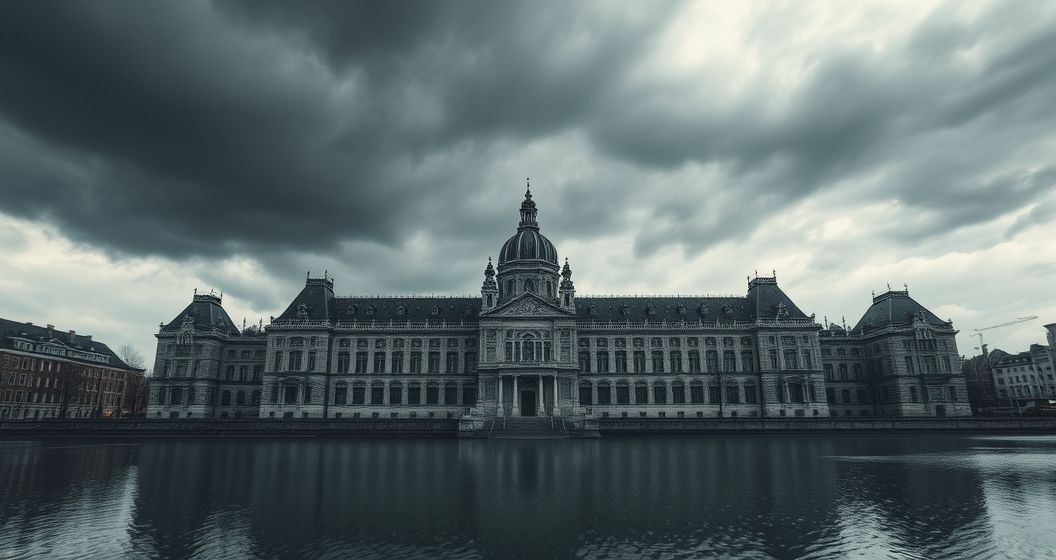
The Netherlands is currently navigating a period of significant political uncertainty following the recent elections. Protracted negotiations to form a new governing coalition have raised concerns about the nation’s ability to address pressing economic and social issues. The lack of a decisive new government is creating a power vacuum that could delay crucial policy decisions, impacting everything from the housing market to long-term financial planning.
Stalled Negotiations at the Core
The primary challenge lies in bridging the ideological gaps between the key political parties involved in the formation talks. Discussions led by the largest party have encountered significant hurdles, particularly concerning fundamental principles of governance, financial policy, and international relations. These deep-seated disagreements have led to a stalemate, with negotiators struggling to find common ground to build a stable and functional coalition government.
This prolonged deadlock means the country is managed by a caretaker government with limited powers. While it can handle daily affairs, it is traditionally barred from introducing major new legislation or making significant budget commitments. This legislative paralysis comes at a time when decisive action is needed on multiple fronts, leaving critical national issues in a state of limbo and causing frustration among the public.
Economic Ripple Effects Felt Nationwide
The political instability is casting a shadow over the Dutch economy. Business leaders and investors value predictability, and the current uncertainty makes long-term planning difficult. Major investment decisions may be postponed until the direction of the new government’s economic policy becomes clear. This hesitation can slow down economic growth and impact job creation across various sectors of the economy.
The Housing Crisis Deepens
Among the most urgent issues is the persistent housing crisis. A severe shortage of affordable homes continues to affect citizens across the country, from students to young families. Addressing this crisis requires a comprehensive and robust government strategy, including new construction initiatives and potential regulatory changes. However, without a new cabinet in place, the implementation of such large-scale solutions remains stalled, potentially worsening the shortage.
Awaiting a Breakthrough
As the negotiation process continues behind closed doors, the public and business communities are anxiously awaiting a resolution. The key party leaders face immense pressure to compromise and put the national interest first. The outcome of these talks will not only determine the political landscape for the coming years but will also be crucial for steering the Netherlands through its current economic and social challenges effectively.
In conclusion, the path to forming a new Dutch government is proving to be complex and challenging. The resolution of this political deadlock is essential for restoring stability and enabling the nation to move forward with the vital policy decisions required to secure its future prosperity and address the immediate needs of its citizens.