
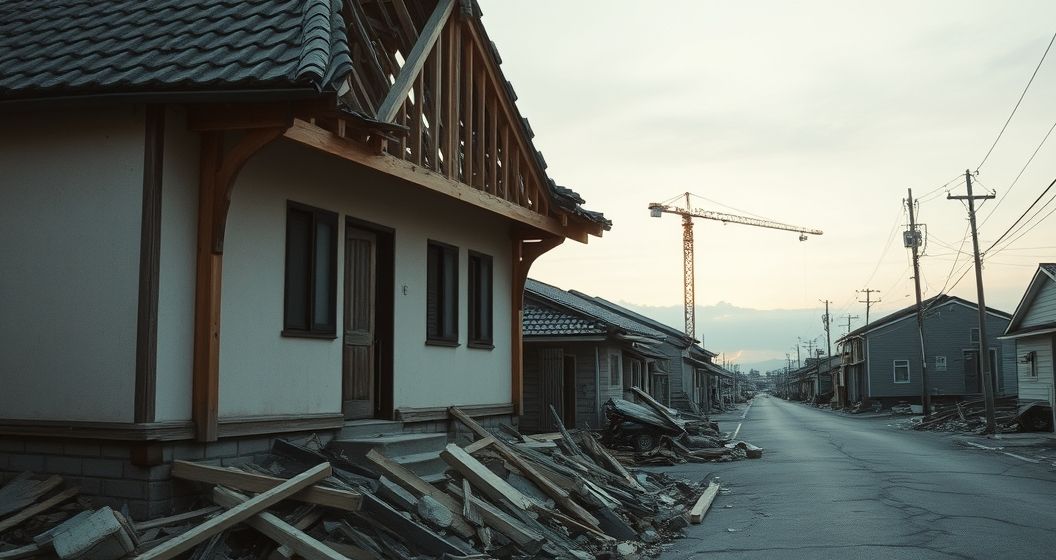
Months after a powerful earthquake devastated Japan’s Noto Peninsula, residents and authorities are grappling with a slow and complex recovery process. While initial emergency responses have concluded, the path to rebuilding homes, infrastructure, and local economies remains fraught with significant challenges. The disaster has highlighted deep-seated issues, including an aging population and fragile regional infrastructure, complicating long-term restoration efforts for communities in Ishikawa Prefecture and surrounding areas.
The Urgent Need for Stable Housing
One of the most pressing issues is the housing crisis affecting thousands of displaced residents. Many are still living in evacuation centers or precarious conditions, waiting for a more permanent solution. The construction of temporary housing units is underway, but progress has been hampered by logistical difficulties and the sheer scale of the destruction. Officials are working to accelerate the process, but for many families, the wait for a stable, private living space continues to be a source of immense stress and uncertainty.
Beyond the physical structures, the disaster has taken a heavy toll on the mental well-being of survivors. The loss of homes and community ties, combined with the slow pace of rebuilding, has created a challenging environment. Support services are being deployed to address these needs, but the long-term psychological recovery is seen as a critical component of the overall restoration effort, especially for the elderly who form a large portion of the region’s population and are most vulnerable to isolation.
Restoring Essential Infrastructure
The earthquake inflicted severe damage on critical infrastructure, isolating numerous communities. Roads, bridges, and water supply systems were extensively damaged, particularly in the hard-hit northern areas like Wajima and Suzu. Repair crews face daunting tasks, navigating difficult terrain and the constant threat of landslides to restore access and essential services. The restoration of the water supply is a top priority, as its absence continues to impact daily life and hygiene for thousands of households.
Impact on the Local Economy
The region’s economy, heavily reliant on tourism, fishing, and traditional crafts, has been crippled. Damaged fishing ports have disrupted the livelihoods of local fishermen, while the destruction of historic sites, such as the famous Wajima morning market, has halted tourism. Revitalizing these industries is crucial for the peninsula’s long-term viability, but it requires not only rebuilding physical assets but also restoring confidence among potential visitors and investors. The economic recovery is intrinsically linked to the speed of infrastructure repair.
A Unified Effort for a Long-Term Vision
The Japanese government has pledged significant financial support and resources to aid the recovery. These funds are designated for debris removal, infrastructure projects, and direct assistance to affected households and businesses. Alongside official efforts, volunteer organizations and community groups are playing a vital role. They provide essential supplies, emotional support, and labor, demonstrating the powerful community spirit that is fundamental to overcoming the disaster’s aftermath and planning for a more resilient future.