
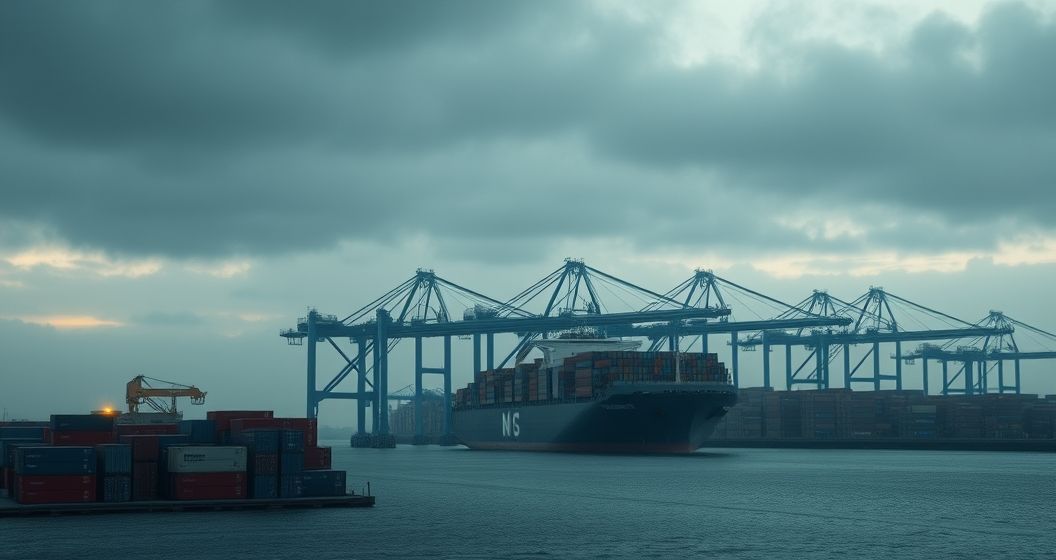
A significant warning strike organized by the Ver.di trade union has brought operations to a near standstill at Germany’s key North Sea ports, including Hamburg, Bremerhaven, and Bremen. The industrial action, part of an intensifying dispute over collective wage agreements, is escalating pressure on employers and raising serious concerns about fresh disruptions to already strained European supply chains. This move directly impacts thousands of port workers and the flow of global trade through Germany.
Tensions Rise in Wage Negotiations
The core of the dispute lies in the ongoing collective bargaining between the Ver.di union and the Central Association of German Seaport Companies (ZDS). The union is demanding a substantial wage increase for approximately 11,000 port employees to compensate for high inflation and the rising cost of living. Union representatives argue that the offers made by employers so far have been entirely inadequate and fail to reflect the hard work and economic importance of their members.
This latest warning strike is a strategic escalation designed to force a more favorable offer from employers ahead of the next round of negotiations. By halting critical operations such as container loading and unloading, the union aims to demonstrate the workers’ leverage. The ZDS has criticized the action, labeling it irresponsible and warning that it will cause significant economic damage that extends far beyond the ports themselves.
Economic Impact on a Fragile Economy
The timing of the strike is particularly critical for Germany’s export-oriented economy, which has shown signs of fragility. The ports of Hamburg and Bremerhaven are vital hubs for international trade, handling millions of containers annually. They serve as the primary gateway for German industries, including the powerful automotive and manufacturing sectors, to receive raw materials and ship finished products to global markets.
Any prolonged disruption creates an immediate logistics bottleneck. Ships are forced to wait at sea or divert to other European ports, leading to significant delays and increased costs. This backlog can quickly ripple through the supply chain, causing production slowdowns at factories reliant on just-in-time deliveries. For an economy already grappling with high energy costs and uncertain global demand, this industrial action introduces another layer of economic instability.
What to Expect Next in the Standoff
All eyes are now on the upcoming round of negotiations. The outcome will determine whether further, more extensive strikes will paralyze German logistics in the coming weeks. A resolution is crucial to prevent lasting damage, but both sides currently appear entrenched in their positions. The union has signaled its readiness to continue industrial action if its core demands for a fair wage adjustment are not met.
The situation highlights the delicate balance between protecting workers’ purchasing power and maintaining the competitiveness of Germany’s vital logistics infrastructure. The standoff serves as a stark reminder of how localized labor disputes can have far-reaching consequences for national and international commerce, impacting businesses and consumers alike.

