
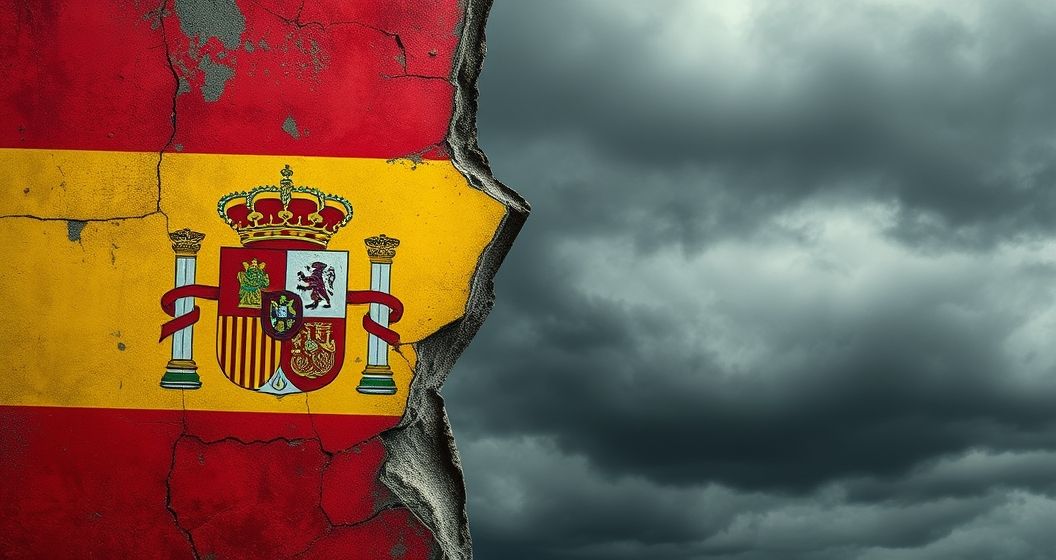
Spain is currently navigating a period of significant political and economic strain. The central government’s new housing legislation has sparked legal challenges from several autonomous regions, creating a complex constitutional debate. This internal friction is compounded by persistent economic pressures, including stubborn inflation and growing public demand for better-funded services. These converging issues are testing the government’s stability and shaping the nation’s immediate future.
The Housing Law Controversy
At the heart of the current political friction is the recently approved housing law, designed to address the escalating rental crisis in major cities. The legislation grants regional governments the power to declare “stressed market zones” and impose rent caps on large landlords. It also introduces incentives for smaller landlords to lower their prices. The central government argues this is a vital step toward guaranteeing affordable housing as a constitutional right for all citizens.
However, the law has been met with fierce opposition from several autonomous communities, particularly those governed by opposition parties. Regions like Madrid, Andalusia, and Galicia have announced they will not apply the rent control measures and are launching legal challenges, arguing that the law infringes upon their regional competencies and private property rights. This standoff has escalated into a significant constitutional battle, highlighting the deep-seated tensions between central and regional authorities in Spain.
Economic Headwinds Persist
Compounding the political disputes are ongoing economic challenges that directly affect households across the country. While the overall economic outlook shows signs of resilience, specific pressures continue to cause widespread concern and fuel social discontent.
Inflation and Cost of Living
Although the headline inflation rate has moderated from its peak, core inflation remains stubbornly high, particularly for food and essential goods. Spanish families are still contending with a significant increase in the cost of living, which has eroded their purchasing power. The government’s fiscal support measures, such as VAT reductions on basic foodstuffs, have provided some relief, but underlying price pressures continue to be a primary concern for both policymakers and the public.
Public Services Under Strain
The economic situation has also intensified the strain on public services, leading to widespread social mobilization. The public healthcare system, in particular, has become a focal point for protests. Citizens and healthcare professionals have taken to the streets in major cities to demand increased funding, better working conditions, and an end to staff shortages that have led to long waiting times for appointments and treatments. These demonstrations reflect a growing public sentiment that essential services are being neglected.
A Complex Path Forward
In conclusion, Spain faces a multifaceted challenge as political disputes over regional autonomy intersect with widespread economic anxiety. The government’s ability to negotiate these legal standoffs while addressing public concerns over the cost of living and the state of essential services will be critical in the coming months. The outcomes of these intersecting crises will significantly influence the nation’s social cohesion and political stability.