
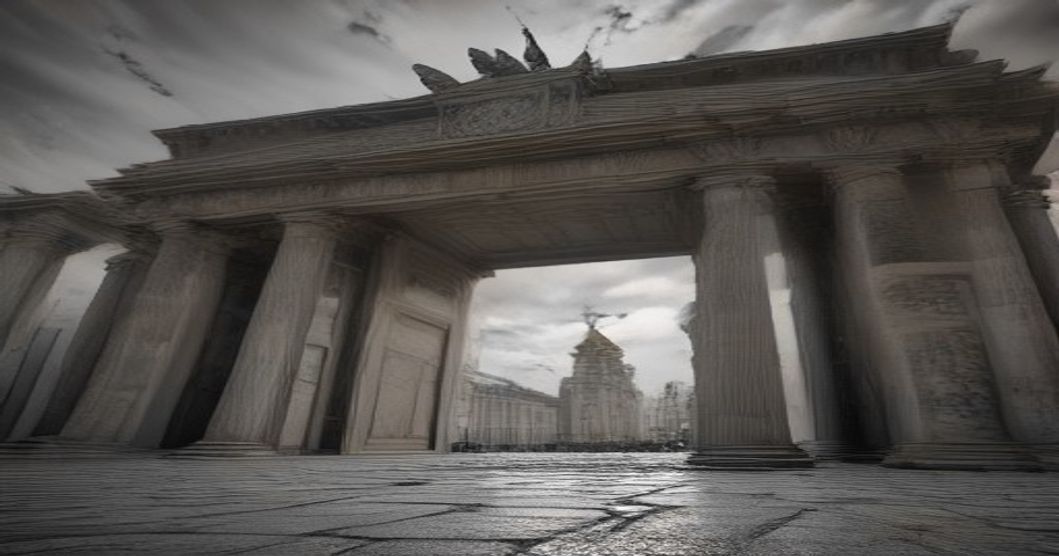
As the European economic powerhouse, Germany currently stands at a pivotal juncture, navigating a complex web of domestic challenges and global uncertainties. From persistent inflationary pressures to the crucial pivot in its energy policy and ongoing political realignments, the nation is in a constant state of flux. Understanding these dynamics is key to grasping the broader European and global economic landscape.
The Economic Tightrope Walk: Inflation and Industrial Concerns
Germany’s economy continues to grapple with the aftermath of geopolitical shifts and supply chain disruptions, most notably manifesting in stubbornly high inflation rates. Consumers are feeling the pinch as the cost of living surges, directly impacting purchasing power and overall economic sentiment. Businesses, especially those in energy-intensive sectors, are struggling with elevated input costs, leading to concerns about competitiveness and potential deindustrialization.
- Inflationary Pressures: The European Central Bank’s efforts to tame inflation are closely watched, but the immediate impact on German households remains significant.
- Industrial Output: Recent data suggests a mixed picture for German industry, with some sectors showing resilience while others face headwinds, particularly in export markets.
- Government Response: The German government has rolled out various relief packages aimed at cushioning the blow for both citizens and companies, though debates persist over their efficacy and long-term fiscal implications.
Germany’s Green Energy Shift: A Race Against Time
The energy crisis has significantly accelerated Germany’s already ambitious plans for a green transition. While the long-term goal of phasing out fossil fuels remains paramount, the immediate necessity to secure energy supplies has led to pragmatic, albeit controversial, short-term decisions. The debate around the future of nuclear power and the expansion of renewable energy infrastructure continues to dominate political discourse.
Securing Future Energy Supplies
The nation is heavily investing in liquefied natural gas (LNG) terminals and diversifying its energy import sources, moving away from past dependencies. Concurrently, efforts to ramp up solar and wind energy capacity are intensifying, with new legislative frameworks designed to streamline approval processes for renewable projects. This dual approach highlights the complexity of balancing immediate energy security with long-term climate objectives.
The government’s commitment to climate neutrality by 2045 requires monumental investments and a complete overhaul of its energy grid. This transformation is not without its challenges, including grid stability, storage solutions, and public acceptance of new infrastructure.
Political Realignment and Societal Debates
The “Ampel” coalition, comprising the Social Democrats (SPD), Greens, and Free Democrats (FDP), continues to navigate internal disagreements and external pressures. Key policy debates include the national budget, social reforms, and Germany’s role in international affairs, particularly concerning the conflict in Ukraine and its implications for European security.
Public opinion remains fractured on several critical issues, from migration policy to defense spending. The influx of refugees, particularly from Ukraine, has highlighted both Germany’s capacity for integration and the ongoing need for robust social services. Furthermore, discussions around pension reforms and the future of Germany’s social welfare system are becoming increasingly prominent as demographic shifts continue.
Germany’s leadership in the European Union and its stance on global challenges, such as climate change and international conflicts, are continuously under scrutiny. The nation’s ability to maintain stability and project influence will largely depend on its capacity to address these multifaceted challenges effectively.


