
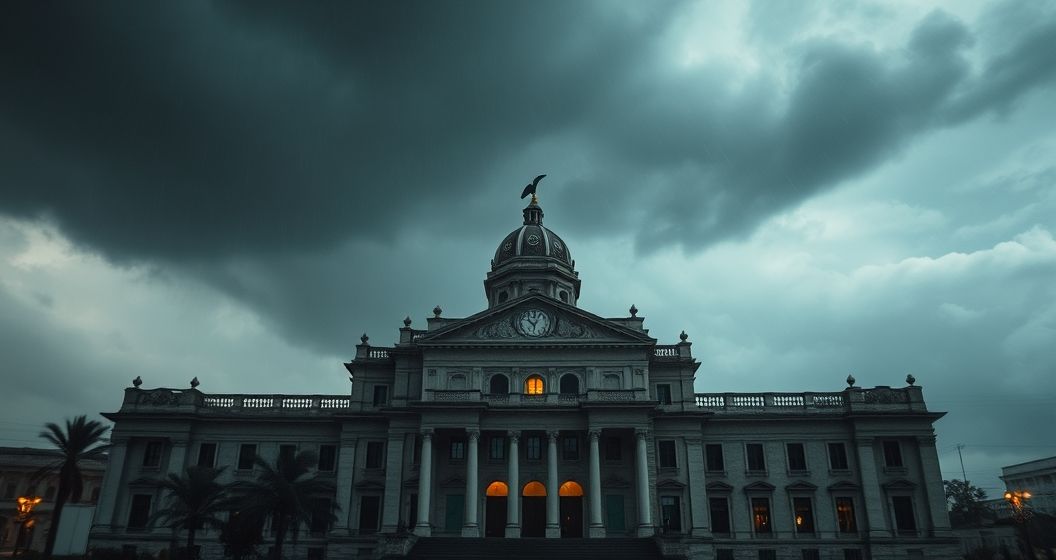
Mexico is currently navigating a period of significant political transition alongside pressing environmental challenges. As President-elect Claudia Sheinbaum continues to form her cabinet, the nation is also on high alert due to the formation of Tropical Storm Beryl in the Atlantic. These simultaneous events highlight the complex landscape the incoming administration will face, balancing governance with immediate crisis management and public safety.
Sheinbaum Unveils New Cabinet Members
President-elect Claudia Sheinbaum has announced the second group of appointments for her upcoming cabinet, continuing to build the team that will lead the country for the next six years. The new selections emphasize a blend of experience and loyalty, drawing from both academic and political backgrounds. This move is seen as an effort to reassure markets and outline the policy direction of her government, which is scheduled to take office on October 1st.
Among the key figures named are prominent individuals who will helm critical departments. The appointments are being closely watched by analysts for clues about the administration’s priorities, particularly regarding economic policy, foreign relations, and domestic security. The selection process reflects a strategic approach to governance, aiming to establish a strong foundation before the official transfer of power. Each announcement is scrutinized for its potential impact on national and international affairs.
Focus on Experience and Continuity
The chosen officials bring a wealth of experience from previous government roles and other sectors. This strategy suggests an emphasis on continuity and stability, particularly in areas crucial for Mexico’s economic health and its relationship with key partners like the United States. Observers note that Sheinbaum is assembling a team capable of addressing complex issues, from trade negotiations to the ongoing debate over judicial reforms, which have been a source of market volatility.
Nation on Alert for Tropical Storm Beryl
While political developments unfold in the capital, coastal regions are bracing for the impact of Tropical Storm Beryl. The National Meteorological Service (SMN) has issued warnings for several states, particularly in the Yucatán Peninsula, including Quintana Roo and Yucatán. The storm is expected to bring heavy rainfall, strong winds, and potential flooding, posing a significant threat to residents and the region’s vital tourism industry.
In response, federal and state authorities have activated emergency protocols. The national civil protection agency is coordinating preventive measures, including the preparation of temporary shelters and the dissemination of public safety information. Residents in high-risk areas have been urged to secure their homes, stock up on essential supplies, and stay informed through official channels. The military has also been placed on standby to assist with potential rescue and relief efforts, reflecting a proactive approach to disaster management.
Economic and Safety Concerns Mount
The impending storm adds another layer of complexity to the national situation. Beyond the immediate danger to human life, severe weather events can have a lasting economic impact, disrupting agriculture, infrastructure, and local economies. The government’s ability to effectively manage this crisis will be an early test for both the outgoing and incoming administrations, underscoring the importance of robust disaster preparedness and response systems for the nation’s resilience.

