
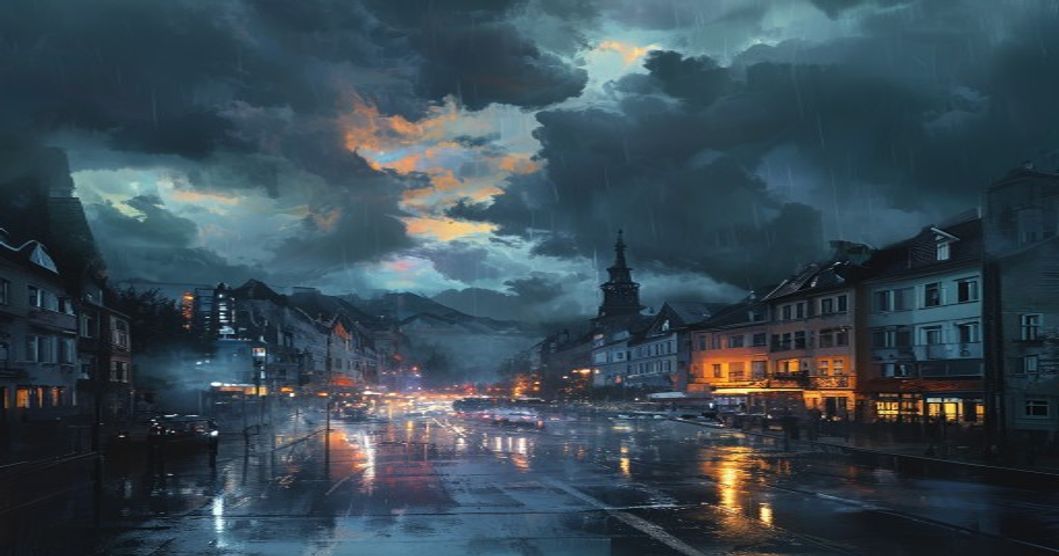
As the chill of autumn deepens, Germany finds itself at the epicenter of several converging crises, navigating a complex landscape of energy shortages, soaring inflation, and its pivotal role in the ongoing conflict in Ukraine. The nation, often a beacon of stability, is currently grappling with challenges that are testing its resilience and shaping its immediate future.
The Looming Energy Winter: A Race Against Time
One of the most pressing concerns gripping Germany is the impending energy crisis. With gas supplies from Russia drastically reduced, the country is scrambling to secure alternative sources and implement drastic conservation measures. Reports from German media highlight intensified efforts to fill gas storage facilities, while citizens are urged to reduce consumption, facing the prospect of colder homes and higher bills. The debate around extending the lifespan of Germany’s remaining nuclear power plants has reignited, showcasing the gravity of the situation. Chancellor Olaf Scholz’s government is walking a tightrope, trying to balance immediate energy security with long-term climate goals, a task proving increasingly difficult as winter approaches.
Inflationary Pressures Mount: A Cost of Living Crunch
Hand in hand with the energy crisis is the relentless surge in inflation, pushing the cost of living to unprecedented levels. German consumers are feeling the pinch at every turn, from grocery stores to fuel pumps. The latest economic indicators paint a concerning picture, with inflation rates reaching multi-decade highs. Businesses, too, are struggling with increased operational costs, leading to fears of an economic slowdown or even recession. The government has introduced relief packages, but their effectiveness in alleviating the financial burden on households and businesses remains a subject of intense public and political debate. Many analysts suggest that the German economy, traditionally robust, is entering a period of significant uncertainty, impacted heavily by global supply chain issues and the repercussions of the war in Eastern Europe.
Germany’s Stance on Ukraine: Balancing Act Amidst Conflict
Germany’s role in the Ukraine conflict continues to be a dominant theme in both domestic and international discussions. Berlin has been a significant supporter of Ukraine, providing financial aid and humanitarian assistance, alongside defensive weapons. However, the pace and scope of its military contributions have often drawn criticism, both from within the coalition government and from international allies urging swifter and more substantial support. Recent discussions have centered on the delivery of advanced weaponry and Germany’s long-term commitment to bolstering European defense capabilities. The war has undeniably forced Germany to reconsider its foreign policy doctrines, particularly its energy reliance on Russia and its approach to military engagement, marking a significant shift in post-Cold War diplomacy.
Climate Activism and Future Policies: A Persistent Dialogue
Amidst the immediate crises, the issue of climate change and Germany’s ambitious environmental targets remains a focal point. While the energy crisis has forced a temporary reliance on coal, the long-term commitment to renewable energy and emission reduction persists. Climate activists continue to push for stronger governmental action, often through highly visible protests that underscore the urgency of the ecological transition. The political landscape is consistently shaped by debates over phasing out fossil fuels, investing in green technologies, and ensuring a just transition for industries and workers. These ongoing discussions highlight Germany’s dedication to its climate goals, even as it navigates the immediate turbulent waters of energy security and economic stability.
Overall, Germany is navigating a period of profound transformation. The decisions made in the coming months regarding energy policy, economic relief, and international relations will undoubtedly shape the nation’s trajectory for years to come, making it a critical watchpoint on the global stage.


