
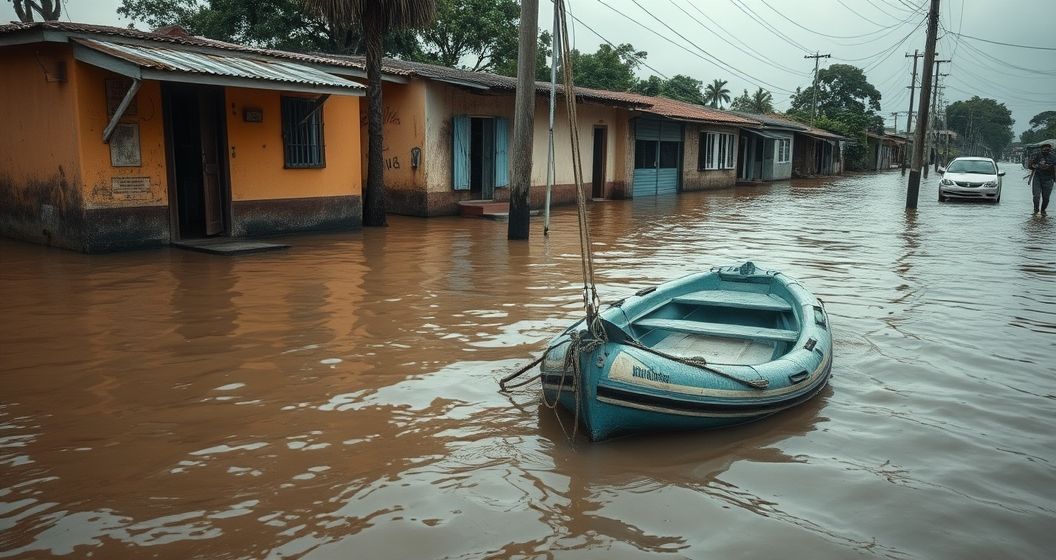
Brazil is confronting a period of significant national challenge, dominated by the ongoing recovery from catastrophic floods in Rio Grande do Sul. As the country mobilizes resources for the massive reconstruction effort, critical debates surrounding fiscal policy and economic stability are intensifying in Brasília. This intersection of an unprecedented climate disaster and pressing economic decisions is shaping the nation’s immediate future and testing its political and financial resilience.
Recovery Efforts in Rio Grande do Sul
The southern state of Rio Grande do Sul continues to face the devastating aftermath of historic flooding. The humanitarian crisis has impacted millions, with entire cities submerged and critical infrastructure destroyed. The government’s primary focus remains on providing aid to displaced families and beginning the monumental task of rebuilding homes, roads, and bridges. The disaster has crippled the state’s agricultural sector, a vital component of Brazil’s national economy, raising concerns about food prices and supply chain disruptions nationwide.
Federal and state authorities have announced substantial financial aid packages to support the recovery. However, the sheer scale of the destruction presents immense logistical and financial hurdles. The long-term plan involves not only reconstruction but also developing more resilient infrastructure to mitigate the impact of future extreme weather events, a topic that has gained urgent prominence in public discourse.
Economic Pressures and Fiscal Policy Debates
The immense cost of the reconstruction efforts in the south is placing additional strain on Brazil’s public finances. This situation has amplified an already heated debate in Congress and the financial markets over the government’s spending targets and fiscal responsibility. Economists are closely watching how the administration will fund the recovery without compromising its goal of eliminating the primary budget deficit. This has led to increased scrutiny of the government’s fiscal framework.
These fiscal concerns directly influence the country’s monetary policy. The Central Bank of Brazil has expressed caution regarding inflationary pressures, which could be exacerbated by increased government spending and supply chain issues stemming from the floods. The direction of the key interest rate, the Selic, remains a central point of contention, balancing the need to control inflation with the goal of fostering economic growth.
The Political Landscape in Brasília
In the capital, political leaders are navigating the complex task of approving emergency aid while managing the national budget. Legislative discussions are focused on finding sources of revenue and making adjustments to spending caps to accommodate the unforeseen expenditures for Rio Grande do Sul. These negotiations are occurring within a dynamic political environment, where consensus is crucial but often difficult to achieve.
The government is working to build political support for its economic agenda, arguing that stability and social support must go hand in hand. The coming weeks will be critical as Congress debates key economic legislation that will shape the country’s fiscal path and its ability to respond effectively to both the immediate disaster and its long-term economic challenges.


