
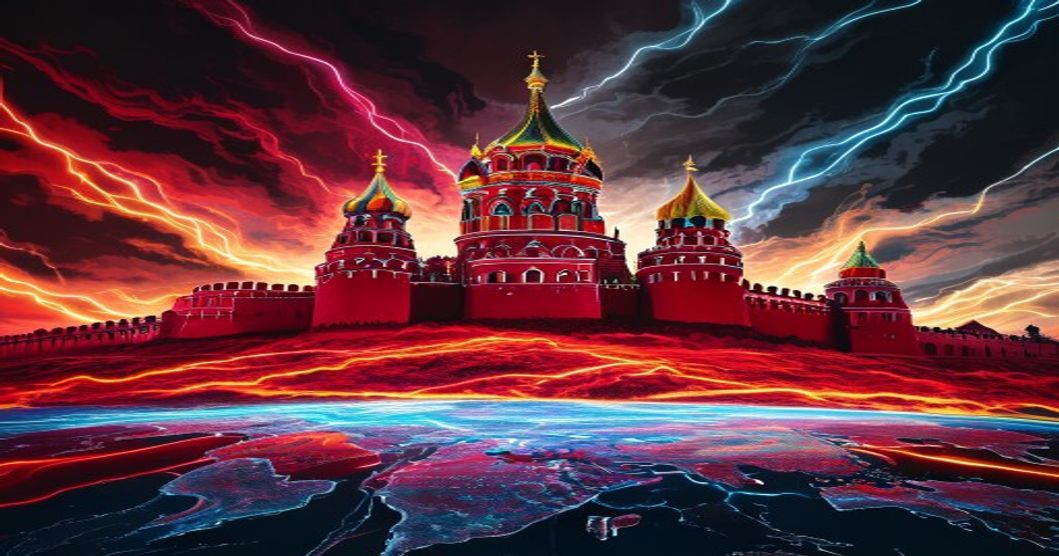
In a rapidly evolving global landscape, Russia continues to navigate a complex array of geopolitical challenges and domestic transformations. Recent developments across the nation’s political, economic, and social spheres highlight Moscow’s ongoing efforts to assert its influence while adapting to significant external pressures. From the persistent dynamics of the Eastern European conflict to the intricate dance of international diplomacy and the resilience of its domestic economy, Russia remains a focal point of global attention, with far-reaching implications for stability and power balances worldwide.
Escalating Tensions on the Eastern Front
The situation regarding the ongoing conflict in Eastern Europe remains at the forefront of Russia’s foreign policy agenda. Recent reports from Moscow indicate a continued focus on military operations, with official statements often emphasizing defensive postures and responses to perceived threats. The Kremlin has consistently reiterated its commitment to its stated objectives, even as international pressure mounts for a peaceful resolution. Drone activity and cross-border incidents have seen an uptick, contributing to heightened regional tensions and underscoring the volatile nature of the current environment. International bodies and Western allies continue to call for de-escalation, but direct diplomatic breakthroughs appear elusive in the immediate term, with both sides maintaining firm stances.
Beyond the immediate military aspects, the humanitarian impact of the conflict continues to be a significant concern. Efforts to facilitate prisoner exchanges and establish safe corridors have seen intermittent success, yet the broader challenges of displaced populations and essential aid delivery persist. The ongoing information war also plays a crucial role, with both sides presenting narratives designed to shape domestic and international opinion. Moscow’s official media channels continue to frame the conflict through the lens of national security and historical grievances, reinforcing public support for government actions amidst a highly polarized global discourse.
Russia’s Economic Resilience Amidst Sanctions
Despite an unprecedented array of international sanctions, the Russian economy has demonstrated a surprising degree of resilience, adapting to new realities and recalibrating its strategic priorities. Recent data suggests that the initial shock of sanctions has largely been absorbed, with the government implementing various measures to stabilize financial markets and support key industries. Focus has shifted towards fostering domestic production and import substitution, aiming to reduce reliance on foreign goods and technologies. Sectors such as agriculture and manufacturing have seen renewed emphasis, contributing to a degree of self-sufficiency.
The pivot towards new energy markets, particularly in Asia, has been instrumental in maintaining Russia’s crucial export revenues. While Western markets have largely closed, new trade routes and partnerships have been forged, albeit sometimes at discounted prices. The Russian Ruble has also shown relative stability, supported by capital controls and robust commodity prices. However, challenges persist, including persistent inflation, a tightening labor market, and the long-term impact of restricted access to advanced technologies. The government continues to deploy fiscal stimulus and social support programs to mitigate the effects on the population, striving to maintain economic stability in a challenging global environment.
Forging New Alliances: Russia’s Global South Pivot
In response to its strained relations with Western nations, Russia has intensified its efforts to strengthen ties with countries of the Global South. This strategic pivot is evident in Moscow’s increased engagement with organizations like BRICS (Brazil, Russia, India, China, South Africa) and the Shanghai Cooperation Organization (SCO). Recent diplomatic overtures have seen Russian officials undertaking numerous visits to nations across Africa, Latin America, and Asia, focusing on expanding trade, energy cooperation, and military-technical partnerships. These engagements are often framed as promoting a more multi-polar world order, challenging the unipolar dominance perceived to be held by the United States and its allies.
The Kremlin views these partnerships as crucial for developing new economic corridors and securing alternative markets for its resources and goods. Agreements on energy supplies, infrastructure development, and defense cooperation have been prominent features of these burgeoning relationships. Furthermore, Russia actively participates in joint military exercises and cultural exchanges, aiming to foster deeper diplomatic and strategic bonds. This shift underscores a broader foreign policy strategy to diversify its international alliances and build a coalition of nations that share similar perspectives on global governance and state sovereignty, thereby enhancing its geopolitical standing amidst ongoing international isolation from the West.
As these narratives unfold, the world watches closely to see how Russia’s internal policies and external relations will continue to shape the trajectory of global events. The interplay of conflict, economic adaptation, and diplomatic realignments ensures that Moscow will remain a central figure in international headlines for the foreseeable future.

